The Ultimate Ring Road Adventure: A Comprehensive Travel Guide to Iceland’s Iconic Circuit
This guide details a classic Icelandic Ring Road (Route 1) itinerary, a journey that encapsulates the raw, elemental beauty of the island nation. Travelers will traverse a land of fire and ice, encountering volcanoes, glaciers, waterfalls, geothermal wonders, and charming coastal towns. The route outlined is a grand tour, typically requiring 10-14 days to fully appreciate the diverse landscapes and experiences.
Reykjavík: The Vibrant Capital
Most Icelandic adventures begin in Reykjavík, the world’s northernmost capital. Despite its small size, the city boasts a rich cultural scene, colorful architecture, and a plethora of dining options. It serves as the perfect launchpad for the Ring Road journey.
Attractions: Hallgrímskirkja Church, with its distinctive expressionist architecture, offers a panoramic view from its tower. The Perlan (The Pearl) museum features nature exhibits and an indoor ice cave. The Sun Voyager sculpture is a stunning stainless-steel piece representing a dream boat. Explore the Old Harbor for whale watching tours and the Harpa Concert Hall with its mesmerizing geometric glass facade.
Food & Drink: Reykjavík’s food scene is innovative. Try the famous hot dog at Bæjarins Beztu Pylsur. For a finer dining experience, sample fresh seafood or traditional lamb. Don’t miss the opportunity to taste skyr, a traditional dairy product similar to yogurt.
Accommodation: Options range from luxury hotels like Canopy by Hilton to cozy guesthouses and design-focused hostels such as Kex Hostel. Booking in advance is highly recommended, especially during peak season.
Cultural Insight: Reykjavík is known for its café culture and vibrant nightlife, which peaks on weekends. The city embodies a blend of Nordic reserve and creative, forward-thinking energy.
The Golden Circle: Iceland’s Classic Day Trip
Before officially embarking on the Ring Road eastward, many travelers take a detour to the Golden Circle, a route encompassing three of Iceland’s most famous sites, all within a short drive from Reykjavík.
Þingvellir National Park: A site of historical and geological significance. It is where the North American and Eurasian tectonic plates are visibly pulling apart. It was also the original site of Iceland’s parliament, the Alþingi, established in 930 AD.
Geysir Geothermal Area: Home to the Great Geysir, from which all others get their name. While Geysir itself is mostly dormant, its neighbor, Strokkur, erupts every 5-10 minutes, shooting a column of boiling water up to 40 meters into the air.
Gullfoss Waterfall: The “Golden Falls” is a massive, two-tiered waterfall cascading into a deep canyon. The power and spray of the water are awe-inspiring, creating frequent rainbows on sunny days.
Transportation: Easily accessible by rental car or via numerous tour companies operating from Reykjavík.
The South Coast: Waterfalls and Black Sand Beaches
Heading east on Route 1, the South Coast unveils some of Iceland’s most iconic and photographed landscapes, characterized by powerful waterfalls and dramatic shorelines.
Seljalandsfoss and Skógafoss: Two magnificent waterfalls. Seljalandsfoss is unique for the path that allows visitors to walk behind the curtain of water. Skógafoss is a broad, powerful fall where visitors can climb a staircase for a stunning view from the top.
Reynisfjara Black Sand Beach: Near the village of Vík, this beach is famous for its black sand, towering basalt columns, and the Reynisdrangar sea stacks rising from the ocean. Caution is paramount due to dangerous “sneaker waves.”
Accommodation: Charming towns like Vík offer hotels, guesthouses, and hostels. Alternatively, consider farm stays for a more rural experience.
Food Recommendation: Stop in Vík for a meal at one of its local restaurants, often featuring hearty Icelandic fare like lamb soup (kjötsúpa).
Vatnajökull National Park & Jökulsárlón Glacier Lagoon
This region is dominated by Vatnajökull, Europe’s largest glacier, and its stunning outlet glaciers and lagoons.
Vatnajökull National Park: Offers incredible opportunities for glacier hiking and ice climbing on outlets like Svínafellsjökull or Falljökull. Guided tours are mandatory for safety.
Jökulsárlón Glacier Lagoon & Diamond Beach: A breathtaking lagoon filled with icebergs calved from the glacier. Boat tours (amphibious and zodiac) provide a closer look. Across the road on the black sand beach, icebergs wash ashore, glittering like diamonds against the dark sand.
Cultural Insight: The power of the ice cap shapes life in this region. Local guides share deep knowledge of the glacier’s history and the impacts of climate change, which are visibly rapid here.
Accommodation: The area around Höfn, known for its langoustine, is a popular base, offering various accommodation options from hotels to cottages.
The East Fjords: Serene Beauty and Fishing Villages
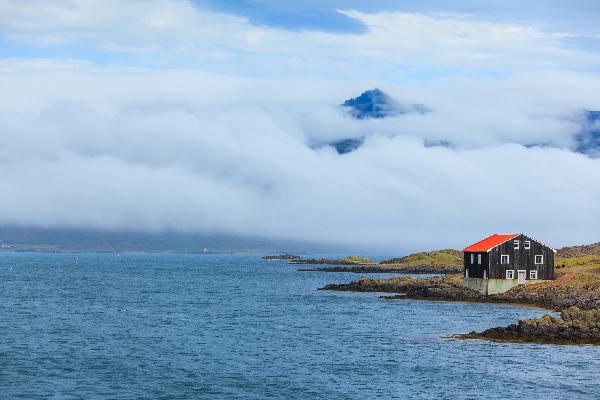
The Ring Road winds through the dramatic and serene East Fjords, a region of steep mountains plunging into deep, narrow fjords. It’s a less-traveled area perfect for scenic drives and peaceful exploration.
Scenic Drive: The drive itself is the main attraction, with countless photo opportunities at every turn. Look out for herds of reindeer, which are common in this region.
Djúpivogur: A charming and artistic fishing village. Don’t miss the outdoor sculpture Eggin í Gleðivík (The Eggs of Merry Bay), which features replicas of the eggs of 34 local bird species.
The Wilderness Center (Óbyggðasetrið): A unique museum and accommodation that immerses visitors in the history and folklore of Iceland’s wilderness. Guests can stay in restored old houses and learn about life in past centuries through interactive exhibits.
Stuðlagil Canyon: A recently discovered geological marvel featuring a vast collection of stunning hexagonal basalt columns and turquoise water. Access requires a hike, but the otherworldly landscape is well worth the effort.
Mývatn and Goðafoss: Volcanic Wonders and a Waterfall of the Gods
The Northeast is a geothermal hotspot, with Lake Mývatn at its heart. The area is often called a “miniature Iceland” due to its concentration of diverse natural phenomena.
Lake Mývatn: A shallow lake renowned for its unique pseudo-craters and prolific birdlife. The surrounding area is geologically active.
Attractions: The Námaskarð pass with its bubbling mud pots and hissing fumaroles; the Dimmuborgir lava formations, known as the “Dark Castles”; and the Mývatn Nature Baths, a more affordable and less crowded alternative to the Blue Lagoon.
Goðafoss: The “Waterfall of the Gods,” located just off the Ring Road. It is historically significant as the site where, according to legend, lawmaker Þorgeir Ljósvetningagoði threw his statues of the Norse gods into the waterfall after deciding that Iceland would become a Christian nation.
Food Recommendation: Mývatn is known for its hverabrauð, a dense, sweet rye bread baked underground using geothermal heat. It’s often served with butter.
Accommodation: The town of Reykjahlíð by the lake offers hotels, guesthouses, and a campsite. Booking is essential due to high demand.
Akureyri: The Capital of the North
Akureyri is Iceland’s second-largest urban area, a vibrant town set at the head of Iceland’s longest fjord, Eyjafjörður. It boasts a surprising botanical garden and a relaxed atmosphere.
Attractions: The iconic Akureyrarkirkja church, designed by the same architect as Reykjavík’s Hallgrímskirkja. The Botanical Garden (Lystigarðurinn) is a beautiful oasis. For a relaxing dip, visit the geothermal swimming pool complex, Sundlaug Akureyrar.
Food & Drink: Akureyri has a thriving culinary scene with excellent restaurants, cafes, and even its own microbrewery. Try local Arctic char or lamb.
Cultural Insight: Akureyri has a strong cultural identity separate from Reykjavík. It’s a hub for education and arts in the north and is known for its friendly locals.
The Troll Peninsula (Tröllaskagi) and Coastal Villages
The journey continues northwest from Akureyri along Route 1, but a detour along the coastal road of the Tröllaskagi peninsula is highly recommended for its dramatic mountain scenery.
Siglufjörður: A picturesque fishing village that was once the epicenter of Iceland’s herring industry. The Herring Era Museum is an award-winning museum that vividly tells this story.
Tröllaskagi Peninsula: The drive involves passing through several new tunnels and offers breathtaking views of steep mountains falling directly into the sea. It’s a prime area for skiing in winter and hiking in summer.
Dalvík & Ólafsfjörður: Quaint fishing towns that provide a glimpse into authentic Icelandic coastal life.
Transportation: A 4×4 vehicle is not necessary for this detour in summer, as the roads are paved. However, conditions should be checked in winter.
The West: History, Lava Falls, and a Final Fjord
The final leg of the Ring Road circles through the historical West of Iceland, an area rich in saga history and unique geology.
Laugarbakki: A small village with a good service center, including a gas station and a hotel, making it a convenient stopover.
Borgarfjörður: A fjord with significant historical and natural sites.
Reykholt: One of Iceland’s most important historical sites, it was the home of Snorri Sturluson, the medieval poet and historian who wrote the Prose Edda.
Hraunfossar & Barnafoss: A series of stunning waterfalls where water emerges from underneath a vast lava field (Hraunfossar) and flows into the turquoise river Hvítá. Nearby is the more powerful Barnafoss.
Hvalfjörður (“Whale Fjord”): Before tunnels were built, the Ring Road circled this long, deep fjord. While now optional, driving around it is a scenic detour with hiking trails, including one to Iceland’s second-highest waterfall, Glymur (a challenging hike).
Accommodation Tip: The West offers many rural guesthouses and farm stays, providing a peaceful end to the journey.
The Return to Reykjavík
The Ring Road completes its circuit back to Reykjavík. The final stretch from Borgarnes offers beautiful views as you approach the capital area. This marks the end of an epic journey through one of the most geologically dynamic and visually stunning countries on Earth.
Practical Travel Information
Best Time to Travel: Summer (June-August) offers midnight sun, accessible roads, and lush landscapes. Winter (November-March) provides chances to see the Northern Lights but has limited daylight and challenging road conditions. Shoulder seasons (May & September) offer a good balance.
Transportation: A rental car or campervan is essential for this itinerary. A 2WD vehicle is sufficient for summer on main roads, but a 4×4 is recommended for winter or exploring F-roads (highland tracks). Always check road conditions at road.is and weather at vedur.is.
Accommodation Strategy: Book accommodations months in advance, especially for summer travel. Options include hotels, guesthouses, farm stays, hostels, and campsites (for those with camping gear).
Cuisine Overview: Icelandic cuisine revolves around fresh seafood (cod, langoustine), lamb, and skyr. Be adventurous and try local specialties like fermented shark (hákarl) or rye bread ice cream. Tap water is perfectly safe and delicious to drink.
Sustainable Travel: Stay on marked paths to protect fragile moss and vegetation. Respect wildlife and follow all local rules at natural attractions. “Leave no trace” is a crucial principle for traveling in Iceland.
A journey around Iceland’s Ring Road is more than just a vacation; it is an immersion into a land shaped by immense natural forces. From the power of its waterfalls and glaciers to the tranquility of its fjords and the warmth of its geothermal pools, this circuit offers an unforgettable adventure that captures the very soul of Iceland.