The Ultimate Egypt Travel Guide: Cairo, Hurghada, Luxor & Back
This comprehensive guide details a classic Egyptian itinerary, taking travelers from the bustling capital of Cairo, through the desert to the Red Sea resort of Hurghada, onward to the ancient wonders of Luxor, and finally back to Cairo. This route offers a perfect blend of history, culture, relaxation, and adventure.
Introduction to the Itinerary
The journey from Cairo to Hurghada to Luxor and back encapsulates the essence of Egypt. Travelers experience the monumental Pharaonic history, the vibrant life of modern Islamic cities, and the stunning natural beauty of the Red Sea. This circular route is logistically efficient and immensely rewarding, covering approximately 1-2 weeks depending on the depth of exploration desired.
Chapter 1: Cairo – The Vibrant Capital
Cairo, known as “The City of a Thousand Minarets,” is a sprawling metropolis that seamlessly blends ancient history with relentless modern energy. It is the primary gateway to Egypt and a necessary starting point for any Egyptian adventure.
Top Attractions in Cairo
The Giza Plateau: Home to the last remaining wonder of the ancient world. The Great Pyramid of Khufu, the Pyramid of Khafre, the Pyramid of Menkaure, and the enigmatic Great Sphinx are unmissable. A sound and light show in the evening offers a dramatic perspective.
The Egyptian Museum: Located in Tahrir Square, this historic museum houses an unparalleled collection of Pharaonic antiquities, including the golden treasures of Tutankhamun. Note: Many key artifacts are gradually being moved to the new Grand Egyptian Museum (GEM); check the status of both museums before visiting.
The Grand Egyptian Museum (GEM): Upon its full opening, this state-of-the-art museum near Giza will be the world’s largest archaeological museum, showcasing the complete Tutankhamun collection and thousands of other artifacts.
Khan el-Khalili Bazaar: A labyrinthine market dating back to the 14th century. It’s a sensory overload of spices, perfumes, jewelry, lanterns, and souvenirs. Haggling is expected.
Islamic Cairo: Explore the historic district with its magnificent mosques and madrasas. Key sites include the Al-Azhar Mosque, the Sultan Hassan Mosque, and the Al-Muizz Street.
Coptic Cairo: The oldest part of the city, home to the Hanging Church, the Coptic Museum, the Ben Ezra Synagogue, and the Roman Fortress of Babylon.
Cairo Food & Dining
Egyptian cuisine is hearty and flavorful. Must-try dishes in Cairo include:
Koshari: A national dish of rice, lentils, chickpeas, pasta, and crispy onions, topped with a spicy tomato sauce. Popular chains like Abou Tarek offer a dedicated koshari experience.
Ful Medames & Ta’meya (Falafel): A staple breakfast of mashed fava beans and Egyptian falafel made from fava beans, served with pita bread.
Grilled Meats: Try kofta (spiced minced meat skewers) and kebab from local restaurants.
Street Food: Don’t miss hawawshi (meat-stuffed pita) and fiteer (Egyptian flaky pastry, either sweet or savory).
Dining Experience: For a meal with a view, consider restaurants along the Nile. For a traditional experience, head to Khan el-Khalili’s famous cafes like El Fishawy.
Transportation in & out of Cairo
Air: Cairo International Airport (CAI) is the main international hub.
Getting Around: Traffic is notoriously heavy. The Cairo Metro is efficient for reaching key areas. Ride-hailing apps like Uber and Careem are highly recommended for comfort and fixed fares. White taxis are available but require negotiation.
To Hurghada: The most common options are a domestic flight (approx. 1 hour) or a private car/bus (approx. 5-6 hours). Buses from companies like Go Bus are a cost-effective choice.
Accommodation Tips for Cairo
Staying in Zamalek (an island in the Nile) offers a quieter, more upscale experience. Downtown Cairo puts you in the heart of the action, while neighborhoods like Giza provide easy access to the pyramids but are further from other attractions.
Chapter 2: Cairo to Hurghada – The Red Sea Escape
The journey from Cairo to Hurghada transitions from urban chaos to coastal serenity. Hurghada is a premier resort town on the Red Sea, famous for its world-class diving, snorkeling, and beachfront hotels.
Transportation: Cairo to Hurghada
By Flight: The quickest option (approx. 1 hour). Airlines like EgyptAir and Nile Air operate regular flights.
By Bus: Companies like Go Bus and Super Jet offer comfortable air-conditioned buses for a 5-6 hour journey across the Eastern Desert.
By Private Car: Offers flexibility and the chance to stop at scenic points along the desert road.
Top Attractions & Activities in Hurghada
Red Sea Diving & Snorkeling: The coral reefs are teeming with marine life. Giftun Island is a popular destination for boat trips. Numerous dive centers cater to all skill levels.
Desert Safaris: Take a quad biking or jeep safari into the Eastern Desert to visit Bedouin villages, ride camels, and witness stunning sunset views over the mountains.
Hurghada Marina: A modern development with upscale restaurants, cafes, and shops, perfect for an evening stroll.
Water Sports: Parasailing, windsurfing, kite surfing, and glass-bottom boat tours are widely available.
Hurghada Food & Dining
While international cuisine dominates the all-inclusive resorts, venturing out offers authentic experiences.
Seafood: Fresh fish is a must-try. Visit the local fish market or restaurants along the coast where you can choose your fish and have it grilled to order.
Traditional Egyptian: Seek out local eateries for koshari and grilled meats.
Marina Dining: The marina offers a variety of international restaurants with beautiful views of the yachts.
Accommodation Tips for Hurghada
Hurghada is lined with all-inclusive resorts of varying standards. The Sigala area is more central, while areas like El Gouna (a short drive north) offer a more luxurious and planned resort experience.
Chapter 3: Hurghada to Luxor – Journey to the Ancient World
The trip from Hurghada to Luxor is a journey back in time, from the aquatic wonders of the Red Sea to the world’s greatest open-air museum on the banks of the Nile.
Transportation: Hurghada to Luxor
By Bus: The most common method. Go Bus and Upper Egypt Travel operate services that take approximately 4-5 hours through scenic desert and mountain landscapes.
By Private Car/Taxi: Offers door-to-door convenience and flexibility for photo stops.
By Cruise: While less common on this specific route, some travelers opt for longer Nile cruises that may connect these cities over several days.
Top Attractions in Luxor
Luxor is essentially an open-air museum, divided between the East Bank (City of the Living) and the West Bank (City of the Dead).
The East Bank
Karnak Temple Complex: The largest religious building ever constructed. A vast city of temples, pylons, and obelisks dedicated to the Theban triad. The Hypostyle Hall with its 134 massive columns is breathtaking.
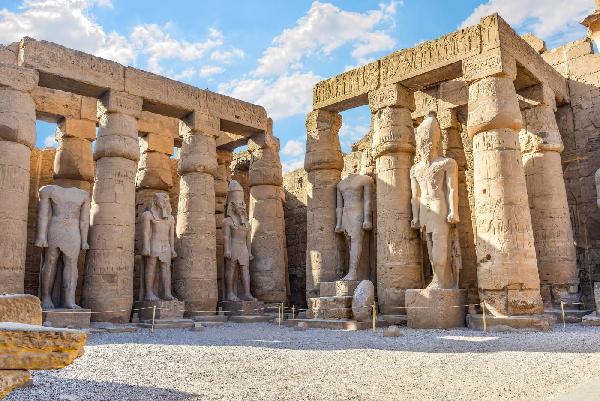
Luxor Temple: Located in the heart of the city, it is beautifully illuminated at night. It was connected to Karnak by a long avenue of sphinxes.
The West Bank
Valley of the Kings: The burial place of pharaohs like Tutankhamun, Ramses II, and Seti I. A ticket typically allows entry to three tombs (excluding Tutankhamun and Seti I, which require separate tickets).
Temple of Hatshepsut: A stunning mortuary temple built into a cliff face, dedicated to the powerful female pharaoh.
Valley of the Queens: Home to the tombs of queens and princes, most famously the beautifully decorated tomb of Nefertari (requires a special, expensive ticket).
The Colossi of Memnon: Two massive stone statues of Pharaoh Amenhotep III that have stood for over 3,400 years.
Hot Air Balloon Ride: A spectacular way to see the West Bank at sunrise, offering unparalleled views of the temples and tombs from above.
Luxor Food & Dining
The food scene in Luxor is more traditional compared to Hurghada.
Nile-Side Dining: Many restaurants on the East Bank offer terraces with stunning views of the Nile and the Theban Hills.
Local Favorites: Enjoy traditional Egyptian dishes. Aswan’s specialty, stuffed pigeon (hamam mahshi), can also be found here.
Souq Stalls: The local market offers fresh juices and simple, tasty street food.
Accommodation Tips for Luxor
The East Bank offers a wide range of hotels, from budget hostels to luxury historic hotels like the Winter Palace. The West Bank has more charming, boutique-style hotels and guesthouses that offer a quieter atmosphere closer to the monuments.
Chapter 4: Luxor Back to Cairo – The Return Journey
The final leg of the trip returns travelers to Cairo, providing an opportunity to revisit favorite spots or explore anything missed at the beginning of the journey.
Transportation: Luxor to Cairo
By Flight: The fastest option (approx. 1 hour 15 minutes). Multiple daily flights connect Luxor International Airport (LXR) with Cairo.
By Night Train: The Watania Sleeping Train is a unique experience. It offers private cabins with beds and includes dinner and breakfast, making the overnight journey (approx. 10-11 hours) both practical and memorable.
By Bus:A long journey (approx. 10+ hours) but a very cost-effective option operated by companies like Go Bus.
Practical Travel Tips & Cultural Insights
Best Time to Visit
The ideal time for this itinerary is during the cooler months from October to April. Summer months (May-September) can be extremely hot, especially in Luxor and Cairo.
Visa & Entry
Most nationalities require a visa for Egypt. This can often be obtained as an e-Visa online before travel or as a visa-on-arrival at major airports like Cairo.
Currency & Budgeting
The local currency is the Egyptian Pound (EGP). Cash is king for small purchases and in markets. Credit cards are widely accepted in hotels, upscale restaurants, and for flights. ATMs are readily available in cities.
Cultural Etiquette & Dress Code
Dress Modestly: Especially when visiting mosques and local markets. For both men and women, clothing that covers shoulders and knees is recommended.
Tipping (Baksheesh):Tipping is deeply ingrained in Egyptian culture. Carry small change for restroom attendants, hotel staff, drivers, and guides.
Haggling:A standard practice in bazaars and for private taxi rides. Be polite but firm.
Respect Religious Customs:Avoid visiting mosques during prayer times unless you are there to pray. During Ramadan, be discreet about eating, drinking, or smoking in public during daylight hours.