A Comprehensive Travel Guide: Milan’s Piazza IV Novembre and Serravalle Outlet
This guide provides a detailed exploration of two distinct but popular destinations for visitors to Milan: the historic and central Piazza IV Novembre and the shopper’s paradise of Serravalle Designer Outlet. While they offer vastly different experiences, both are significant stops on many itineraries. This resource covers everything from cultural insights and gastronomy to practical logistics, ensuring a rich and seamless travel experience.
Part 1: Piazza IV Novembre, Milan – The Heart of the City
Piazza IV Novembre is not just a square; it is the vibrant, beating heart of modern Milan. More commonly known by its historical name, Piazza del Duomo, this vast public space is the city’s primary gathering point, a stage for celebrations, protests, and the daily flow of life. Its official name commemorates November 4th, the day marking the end of World War I for Italy. For any visitor, understanding this piazza is key to understanding Milan.
Historical Significance and Main Attractions
The piazza is an architectural canvas that narrates Milan’s history from the medieval to the modern. Every building surrounding it tells a story of power, faith, and commerce.
Milan Cathedral (Duomo di Milano): The undisputed centerpiece. This staggering example of Flamboyant Gothic architecture took nearly six centuries to complete. Visitors can admire its forest of spires, countless statues, and the famous golden Madonna (the “Madonnina”) from the square. For a truly unforgettable experience, take the stairs or elevator to the rooftop terraces. The view over the piazza and the city skyline, with the Alps visible on a clear day, is spectacular.
Galleria Vittorio Emanuele II: To the north of the piazza stands this magnificent 19th-century arcade. Dubbed “il salotto di Milano” (Milan’s drawing room), it is one of the world’s oldest shopping malls. Its soaring glass and iron dome and intricate mosaics represent the wealth and ambition of a newly unified Italy. It houses luxury boutiques, historic cafes, and restaurants.
Royal Palace of Milan (Palazzo Reale): Flanking the southern side of the piazza, this was the seat of government for centuries. Today, it no longer functions as a royal residence but is a major cultural hub, hosting blockbuster art exhibitions and cultural events from international collections.
Arengario Palace: Two symmetrical rationalist buildings on the western side of the piazza. One now houses the Museo del Novecento, a superb museum dedicated to 20th-century art, with a focus on Italian masters like Boccioni and Balla. The museum’s layout offers stunning, framed views of the Duomo from its large windows.
Cultural Insights and Local Experiences
Beyond sightseeing, the piazza offers a deep dive into Milanese culture.
The “Rito della Madonnina”: Locals and superstitious visitors often perform a small ritual in the center of the Galleria Vittorio Emanuele II. They place their heel on the mosaic depicting a bull (from the coat of arms of Turin, Milan’s historic rival) and spin around three times for good luck. The worn spot on the bull’s genitals is a testament to this long-standing tradition.
People-Watching: Simply find a spot on the steps of the Duomo or at an outdoor cafe and observe. The square is a microcosm of Milan: fashion-forward locals rushing to appointments, tourists gazing in awe, street performers, and pigeons all coexist in a dynamic ballet.
Seasonal Events: The piazza transforms throughout the year. During Christmas, it hosts a large tree and festive markets. For events like the Champions League or design week (Salone del Mobile), it becomes a giant open-air venue with screens and installations.
Food and Drink Recommendations
The area around Piazza IV Novembre is tourist-heavy, but gems can be found with a little knowledge.
Historic Cafes: For a classic Milanese experience, visit Camparino in Galleria, located right at the entrance of the Galleria. It’s famous for its Art Nouveau interior and its impeccable Campari-based drinks. Bar Zucca, another historic spot in the Galleria, is also a landmark.
Aperitivo: The tradition of aperitivo (a pre-dinner drink accompanied by snacks) is sacred in Milan. While the bars directly on the square can be pricey, just a few streets away you can find more authentic spots. Head to the Brera or Navigli districts for a wider, more local selection after your visit.
Gelato: Avoid gelaterias with artificially colored, piled-high mounds. Look for places where the gelato is kept in covered metal tins—a sign of quality. Cioccolati Italiani, just off the square, is a popular choice for its rich chocolate dips.
Lunch Spots: For a quick and genuine lunch, step away from the main square into the side streets. Look for a “paninoteca” for a hearty sandwich or a “trattoria” for a plate of authentic risotto alla Milanese.
Transportation and Accessibility
Piazza IV Novembre (Duomo) is the most connected hub in Milan.
Metro: The MM1 (red line) and MM3 (yellow line) both stop at the “Duomo” station, with direct exits into the piazza.
Tram: Several historic and modern tram lines pass by the periphery of the square, including the iconic Tram #1.
Bus: Numerous bus lines service the area.
Walking: The square is entirely pedestrianized, making it safe and pleasant to walk around. It is also the natural starting point for exploring other central districts like Brera and Montenapoleone on foot.
Accommodation Tips
Staying near Piazza IV Novembre places you at the epicenter of Milan’s action.
Luxury: The area is home to legendary hotels like Town House Galleria, which has rooms overlooking the iconic arcade, offering unparalleled opulence and history.
Mid-Range:
Several international chain hotels and boutique properties are located within a 5-10 minute walk, offering convenience without the peak square prices.
Budget: Affordable accommodation is scarce immediately around the Duomo. Consider areas like Città Studi or near major transportation hubs (like Centrale Station) for better value, with easy metro access to the square.
Considerations: While incredibly convenient, staying right on the square can be noisy at all hours due to the constant buzz of activity. Light sleepers should look for rooms facing inner courtyards.
Part 2: Serravalle Designer Outlet – A Shopping Pilgrimage
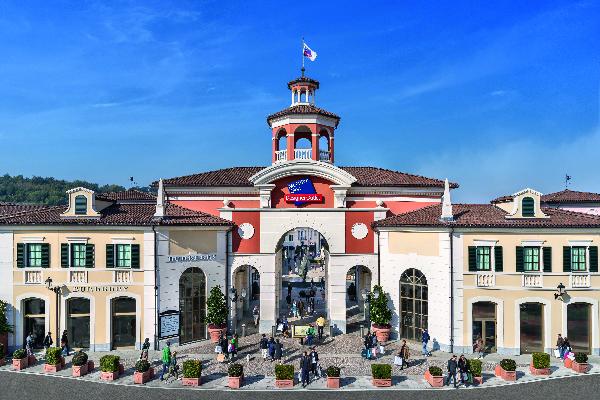
Located about an hour’s drive from Milan, Serravalle Scrivia Designer Outlet is one of Europe’s largest and most popular outlet villages. It offers a curated shopping experience in an open-air, village-like setting, with discounts of 30% to 70% on previous seasons’ collections from hundreds of high-end and contemporary brands.
Introduction to the Shopping Experience
Serravalle is more than just a mall; it’s a destination. Designed to resemble a typical Ligurian and Piedmontese village with colorful buildings, fountains, and piazzas, it makes shopping a leisurely and pleasant activity. With over 230 boutiques, it covers a vast range of styles and price points, from global luxury houses like Gucci, Prada, and Versace to premium denim brands, sportswear giants, and homeware stores.
Brands and Shopping Strategy
A successful trip to Serravalle requires a plan.
Research Before You Go: Visit the official Serravalle Outlet website to check the full list of brands and current promotions. You can also sign up for their newsletter for an additional welcome discount.
Prioritize: The outlet is large. Identify your must-visit stores first to avoid fatigue and ensure you hit your top choices.
Timing is Everything: Weekdays are significantly less crowded than weekends. Arriving early in the day (right at opening time, usually 10:00 AM) gives you first pick of the merchandise. The best selections are often found during major sale periods in January/February and July/August.
VAT Refund for Non-EU Residents: If you are a resident outside the European Union, you can reclaim the Value Added Tax (VAT, usually 22%) on your purchases. Ask for a tax-free form at each store where you spend over €154.98 (this amount can change) and get it validated at the customs desk at the airport before you check in your luggage.
Food and Amenities
Shopping can be exhausting, but Serravalle is well-equipped to refuel its visitors.
Dining Options: The outlet has a wide variety of eateries, from quick-service food courts with pizza and pasta to proper sit-down restaurants. There are also cafes and ice cream parlors scattered throughout the village for a quick pick-me-up.
Amenities: The outlet provides excellent facilities including free Wi-Fi, information points, currency exchange, luggage storage, a children’s playground, and pet-friendly areas.
Transportation: How to Get There from Milan
Reaching Serravalle is straightforward, with several convenient options.
By Shuttle Bus (Most Popular): Several companies operate direct shuttle buses from Milan to Serravalle. The most reliable is often the one run by “Zani Viaggi”, which departs from Piazza IV Novembre (specifically from Via Cusani, near Cairoli Castle). It is highly advisable to book your tickets online in advance, especially on weekends and during sale seasons. The journey takes about 90 minutes.
By Train: Take a regional train from Milano Centrale or Porta Garibaldi stations to Arquata Scrivia station. The journey is roughly one hour. From Arquata Scrivia station, there is a regular shuttle bus service (about 10 minutes) to the outlet entrance. Check train and connecting bus timetables carefully to coordinate your trip.
By Car: Driving offers the most flexibility. Serravalle is easily accessible from the A7 Milano-Genova motorway, exit “Serravalle Scrivia.” The outlet has massive free parking lots. Remember to account for tolls and fuel costs.
By Organized Tour: Many tour operators in Milan offer day trips to Serravalle, which include transportation and sometimes added perks. This is a hassle-free option if you prefer not to manage logistics yourself.
The Complete Day Trip Itinerary: From Piazza IV Novembre to Serravalle
A typical and efficient day combining these two destinations would look like this:
Morning (8:00 AM – 10:00 AM): Start your day at Piazza IV Novembre. Beat the crowds by arriving early to appreciate the Duomo’s facade in the morning light. If you have pre-booked tickets, you could take an early tour of the Cathedral terraces for breathtaking views.
Late Morning (10:00 AM – 1:00 PM): Board your pre-booked shuttle bus to Serravalle from the designated pickup point near the piazza (e.g., Via Cusani). Use the travel time to rest and plan your shopping strategy.
Afternoon (1:00 PM – 6:00 PM): Arrive at Serravalle. Begin your shopping spree. Break for a late lunch at one of the outlet’s restaurants to recharge. Continue shopping until you’re ready to head back or until the stores close.
Evening (6:00 PM – 8:00 PM): Take the return shuttle bus back to Milan. You will arrive back at Piazza IV Novembre in the evening, just in time to experience the square illuminated against the night sky—a completely different but equally magical atmosphere.
Dinner (8:00 PM onwards): After dropping your shopping bags at your hotel, venture into the Brera district or Navigli canals for a well-deserved dinner and aperitivo, immersing yourself in Milan’s vibrant evening culture.
Practical Tips and Final Advice
Tickets: Pre-book everything possible—Duomo terraces, shuttle buses to Serravalle. This saves time and guarantees your spot.
Comfort: Wear comfortable shoes! You will be doing a tremendous amount of walking both in the vast piazza and the sprawling outlet.
Money: While credit cards are widely accepted, having some cash on hand is useful for smaller purchases, tips, or market stalls.
Sustainability:
Be mindful of your consumption. At Serravalle, consider quality over quantity—invest in timeless pieces that will last.
Cultural Respect:
When visiting the Duomo, remember it is an active place of worship. Dress appropriately by covering your shoulders and knees.
The journey from the historic grandeur of Piazza IV Novembre to the commercial allure of Serravalle Designer Outlet encapsulates two fundamental aspects of Milan: its deep-rooted history and its status as a global capital of fashion and commerce. By experiencing both, visitors gain a more complete and nuanced understanding of this dynamic Italian metropolis.