The Ultimate Travel Guide: Cairo, Hurghada, and Luxor, Egypt
This comprehensive guide explores a classic Egyptian itinerary, combining the bustling historical capital of Cairo with the serene Red Sea resort of Hurghada and the unparalleled open-air museum of Luxor. This journey offers a perfect blend of ancient wonders, vibrant culture, and relaxing leisure.
Introduction to the Golden Triangle
The route connecting Cairo, Hurghada, and Luxor forms a “Golden Triangle” for travelers seeking a complete Egyptian experience. Cairo provides a deep dive into Pharaonic and Islamic history; Hurghada offers a chance to unwind on beautiful beaches and explore vibrant marine life; and Luxor stands as the world’s greatest testament to the New Kingdom pharaohs. Navigating between these cities is straightforward, with options including flights, trains, and private transfers.
Cairo: The Vibrant Capital
Cairo is a sprawling, energetic metropolis where ancient history and modern life collide. The air is filled with the sounds of car horns and calls to prayer, creating an unforgettable sensory experience.
Top Attractions in Cairo
The Giza Plateau: Home to the last surviving wonder of the ancient world. The Great Pyramid of Khufu, the Pyramid of Khafre, the Pyramid of Menkaure, and the enigmatic Great Sphinx are unmissable. A sunrise or sunset visit is highly recommended for the best light and fewer crowds. Camel or horse rides around the plateau offer a classic, if touristy, perspective.
The Egyptian Museum (Tahrir Square): This historic museum houses an unparalleled collection of antiquities, including the golden treasures from Tutankhamun’s tomb and royal mummies. While many artifacts are gradually moving to the new Grand Egyptian Museum (GEM), the old museum remains a treasure trove. The GEM, upon its full opening, will be the world’s largest archaeological museum.
The Grand Egyptian Museum (GEM): Located near the Giza Plateau, this state-of-the-art museum is partially open and promises to be a monumental attraction. It will eventually display the complete Tutankhamun collection and host the Khufu Solar Boat.
Khan el-Khalili Bazaar: A labyrinthine market dating back to the 14th century. Visitors can get lost in its alleys, shopping for spices, perfumes, jewelry, lanterns, and souvenirs. Haggling is expected. A stop at the famous El Fishawy Café for mint tea is a must for a traditional experience.
Islamic Cairo: Explore the historic mosques and madrasas. Key sites include the Citadel of Saladin, which offers panoramic views of the city, and the magnificent Muhammad Ali Mosque within its walls. The nearby Sultan Hassan Mosque and Al-Rifa’i Mosque are architectural masterpieces.
Coptic Cairo: This ancient enclave represents Old Cairo, featuring the Hanging Church (Al-Muallaqa), the Coptic Museum, the Ben Ezra Synagogue, and the Roman Fortress of Babylon.
Cairo Food & Dining
Cairo’s food scene is diverse and delicious. Must-try dishes include:
Koshari: Egypt’s national dish—a hearty mix of rice, lentils, chickpeas, pasta, and crispy fried onions, topped with a spicy tomato sauce. Popular chains like Abou Tarek offer a reliable experience.
Ful Medames & Ta’meya (Falafel): The classic Egyptian breakfast. Ful is slow-cooked fava beans, while Ta’meya is made from fava beans, unlike Middle Eastern falafel made from chickpeas.
Grilled Meats: Try kofta (spiced minced meat skewers) and kebab (grilled meat chunks). Restaurants like Abo El Sid offer an atmospheric setting for traditional cuisine.
Street Food: Don’t miss hawawshi (meat-stuffed pita bread) and fiteer (a flaky Egyptian pastry, either savory or sweet).
For a fine dining experience with a view, restaurants like the Sequoia or Pier 88 on the Nile Zamalek offer modern ambiance.
Transportation in Cairo
Cairo’s traffic is legendary and often chaotic.
Taxis & Ride-Hailing: Uber and Careem are widely used, affordable, and reduce haggling over fares.
Metro: The Cairo Metro is fast, cheap, and efficient for bypassing traffic. It has dedicated cars for women.
Private Drivers: Hiring a driver for a full or half-day is a comfortable way to visit distant sites like the pyramids.
Accommodation Tips for Cairo
Staying in Zamalek (an upscale island neighborhood in the Nile) offers tranquility and easy access to restaurants. Downtown Cairo is central and historic but can be noisy. For proximity to the pyramids, consider the hotels in Giza with direct views of the monuments.
Hurghada: The Red Sea Riviera
After the intensity of Cairo, Hurghada provides a perfect contrast. Located on the Red Sea coast, it’s a hub for diving, snorkeling, and beach relaxation. What started as a small fishing village is now a major resort town with a long stretch of coastline featuring all-inclusive resorts, a vibrant marina, and a bustling downtown (Dahar).
Top Attractions & Activities in Hurghada
Snorkeling and Diving: The Red Sea is world-renowned for its crystal-clear waters and spectacular coral reefs teeming with marine life. Day trips by boat to sites like Giftun Island are incredibly popular. For certified divers, sites such as Abu Ramada Island (“The Aquarium”) and Carless Reef offer unforgettable experiences.
Desert Safari: Take a quad biking or jeep safari into the Eastern Desert. These tours often include visits to Bedouin villages, where you can learn about their culture and enjoy traditional tea under the stars.
Hurghada Marina: A modern development with upscale shops, restaurants, and cafes. It’s a pleasant place for an evening stroll and dinner with a view of the luxurious yachts.
Hurghada Grand Aquarium: A family-friendly attraction showcasing the diverse ecosystem of the Red Sea and the Nile River through underwater tunnels and exhibits.
Hurghada Food & Dining
While resorts offer extensive buffet dining, venturing out is rewarding.
Seafood: Hurghada is famous for its fresh fish. Visit the fish market in Dahar to choose your catch and have it cooked at a nearby restaurant. El Halaka Fish Restaurant is a local favorite.
International Cuisine: The marina area offers a wide range of international options, from Italian to Asian fusion.
Traditional Cafes: For a local experience, try a traditional coffeehouse in Dahar for sheesha (water pipe) and tea.
Transportation in Hurghada
Taxis are the primary mode of transport. Always agree on a price before getting in. Many resorts are spread out along the coast, so walking between them is not always feasible.
Accommodation Tips for Hurghada
Hurghada is dominated by all-inclusive resorts. The Sekalla area is central, while Makadi Bay and Sahl Hasheesh to the south offer more luxurious and secluded resort experiences.
Luxor: The World’s Greatest Open-Air Museum
Ancient Thebes, modern-day Luxor, was the glorious capital of Egypt during the New Kingdom. The city is literally built on and around the ruins of ancient temples and tombs, divided by the Nile into the East Bank (City of the Living) and the West Bank (City of the Dead).
Top Attractions on the East Bank
Karnak Temple Complex: The largest religious building ever constructed. It is a vast city of temples built over 2,000 years. The Hypostyle Hall, with its 134 massive columns, is awe-inspiring. The sound and light show in the evening is a dramatic way to experience the temple.
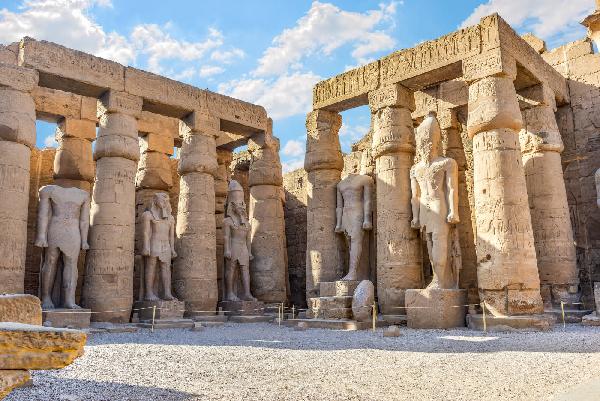
Luxor Temple: Located in the heart of the modern city, this temple is beautifully illuminated at night. It was primarily built by Amenhotep III and Ramesses II and was connected to Karnak Temple by a 3-kilometer avenue of sphinxes.
Top Attractions on the West Bank
Valley of the Kings: The burial place of pharaohs such as Tutankhamun, Ramesses the Great, and Seti I. A standard ticket typically allows entry to three tombs. The separate ticket for Tutankhamun’s tomb is worth it to see his mummy. Photography inside most tombs is prohibited or requires a special ticket.
Temple of Hatshepsut (Deir el-Bahari): A stunning mortuary temple built into the cliffs. Its modern, multi-level design is dedicated to the famous female pharaoh.
Valley of the Queens: Home to the tombs of royal wives and children. The most famous is the beautifully decorated tomb of Queen Nefertari (requires a separate, expensive ticket).
Medinet Habu: The mortuary temple of Ramesses III, this sprawling complex is one of the best-preserved on the West Bank, with vibrant reliefs depicting his military victories.
The Colossi of Memnon: Two massive stone statues of Amenhotep III that mark the entrance to his now-vanished mortuary temple. They are a free-to-visit landmark.
Luxor Food & Dining
The restaurant scene in Luxor is more low-key than in Cairo but offers excellent local fare.
Sofra Restaurant & Café: A must-visit located in a restored old house, offering an extensive menu of authentic Egyptian dishes in a charming atmosphere.
Nile View Dining: Several restaurants along the Corniche offer terraces with stunning views of the Nile, perfect for sunset. The restaurants on floating pontoons are particularly popular.
Local Eateries: As in Cairo, enjoy koshari, ta’meya, and grilled meats from local shops.
Transportation in Luxor
Walking: The East Bank sites (Luxor Temple and the museum) are easily walkable.
Taxis & Caleches: Taxis are available for longer distances. A ride in a horse-drawn carriage (caleche) along the Corniche is a romantic, if touristy, experience—negotiate the price firmly beforehand.
Nile Ferry: The public ferry is the cheapest way to cross the Nile to the West Bank.
Private Driver/Guide: Hiring a driver for a full day is the most efficient way to explore the widely spaced sites on the West Bank.
Accommodation Tips for Luxor
The East Bank offers more hotels, restaurants, and amenities. The West Bank has a more rural, tranquil atmosphere with smaller boutique hotels and guesthouses, often with incredible Nile views. A sunset felucca ride from here is magical.
Connecting Between Cities
Cairo to Luxor / Luxor to Cairo:
Flight: The fastest option (about 1 hour). Multiple daily flights connect Cairo with Luxor.
Train: The overnight sleeper train (Watania Sleeping Train) is a classic experience. It includes a private cabin with two beds and dinner/breakfast. The journey takes about 9-10 hours.
Cairo to Hurghada / Hurghada to Cairo:
Flight: Quick and convenient (about 1 hour).
Bus: Companies like Go Bus offer comfortable coach services for a budget-friendly option (approx. 6-7 hours).
Private Transfer: A private car offers flexibility but is the most expensive option.
Luxor to Hurghada / Hurghada to Luxor:
Bus: The most common method. Go Bus and Upper Egypt Travel operate services that take approximately 4-5 hours. The drive through the Eastern Desert is scenic.
Private Transfer: A popular and comfortable choice for groups or those wanting to stop at sites along the way.
Cultural Insights & Practical Tips
Respecting Local Customs
Egypt is a predominantly Muslim country with conservative social norms.
Dress Modestly: Especially when visiting mosques and in local markets outside resort areas. For both men and women, clothing that covers shoulders and knees is recommended.
Ramadan: If traveling during Ramadan, be aware that eating, drinking, or smoking in public during daylight hours is frowned upon.
Tipping (Baksheesh): Tipping is an ingrained part of the culture. Small tips are expected for services rendered by hotel staff, restaurant servers (beyond any service charge), guides, drivers, and even restroom attendants. Keep small Egyptian pound notes handy.
Haggling: Expected in markets (souks) but not in fixed-price shops or malls. Be polite, see it as a game, and start at about half the asking price.
Shopping & Souvenirs
Papyrus: Buy from reputable galleries to avoid fakes made from banana leaves.