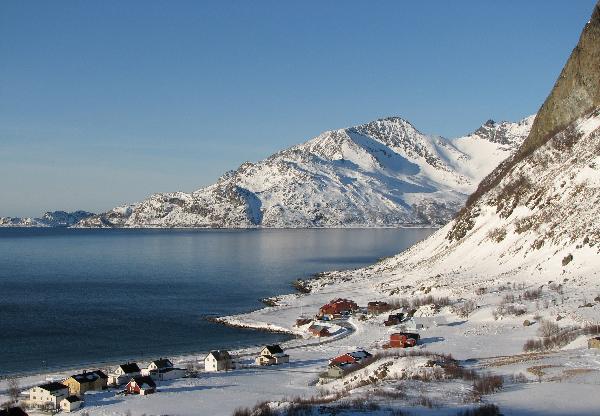
The Ultimate Arctic Circle Itinerary: Tromsø, Senja, Lofoten, and Narvik
This comprehensive travel guide details a spectacular journey through Northern Norway, a land of dramatic fjords, jagged peaks, and the enchanting Aurora Borealis. The route connects the vibrant city of Tromsø with the wild beauty of Senja Island, the iconic Lofoten Archipelago, and the historic town of Narvik, offering a deep dive into Arctic culture, cuisine, and landscapes.
Introduction to the Region
Northern Norway, located within the Arctic Circle, is a destination of unparalleled natural beauty. From September to April, it is one of the best places on Earth to witness the Northern Lights. During the summer, it experiences the Midnight Sun, where the sun never sets. This itinerary is best undertaken from late September to March for aurora viewing or from June to August for hiking and midnight sun experiences. Travelers should be prepared for rapidly changing weather conditions, with warm, layered clothing and waterproof gear being essential year-round.
Tromsø: The Gateway to the Arctic
Often called the “Capital of the Arctic,” Tromsø is a lively and culturally rich city surrounded by stunning fjords and mountains. It serves as the perfect starting point for any Arctic adventure.
Key Attractions in Tromsø
The Arctic Cathedral (Ishavskatedralen): An architectural masterpiece with a stunning stained-glass window, this is one of Tromsø’s most iconic landmarks.
Fjellheisen Cable Car: Ascend to Mount Storsteinen for a breathtaking panoramic view of Tromsø, the surrounding islands, and mountains. It is a prime location for both midnight sun and Northern Lights viewing.
Polar Museum (Polarmuseet): Delve into Tromsø’s history as a center for Arctic hunting and polar expeditions.
Polaria: An Arctic experience center with an aquarium featuring species from the Barents Sea and fascinating exhibits on climate change.
Dog Sledding & Whale Watching: In winter, embark on a dog sledding adventure across frozen landscapes. From November to January, take a boat trip to witness whales (orcas and humpbacks) in the nearby fjords.
Food & Drink in Tromsø
Tromsø boasts a vibrant food scene. Be sure to try:
Fresh Cod and Salmon: Sample the catch of the day at restaurants like Fiskekompaniet or Emma’s Under.
Reindeer and Elk: For a traditional Sami experience, try reindeer stew or elk steak.
Local Brews: Visit Ølhallen brewery pub for a taste of local Mack beer, the world’s northernmost brewery.
Transportation & Accommodation in Tromsø
Tromsø is easily accessible via Tromsø Airport (TOS). The city center is compact and walkable. Public buses are efficient for longer distances. Accommodation ranges from luxury hotels like the Clarion Hotel The Edge to charming guesthouses and budget-friendly hostels. For a unique stay, consider a cabin outside the city.
Senja Island: Norway’s Hidden Gem
A short drive or bus ride south from Tromsø lies Senja, Norway’s second-largest island. Often described as a miniature version of the Lofoten Islands but with fewer crowds, Senja offers dramatic and diverse landscapes, from rugged, steep mountains to serene fishing villages and white-sand beaches.
Key Attractions on Senja
Segla Mountain: The iconic, axe-shaped mountain near the village of Fjordgård. The challenging hike rewards with unparalleled views of the fjord and surrounding peaks.
Ånderdalen National Park: A pristine area of coastal pine forests, mountains, and lakes, perfect for hiking and wildlife spotting (reindeer, moose, sea eagles).
Tungeneset: A beautifully designed viewing platform that frames the dramatic Devil’s Jaw (Økshornan) peaks.
Ersfjordstranda: A stunning white-sand beach nestled at the end of a fjord, surrounded by mountains. It’s a spectacular spot for the Northern Lights.
Bergsbotn Viewpoint: Another spectacular viewing platform offering a panoramic view of the Bergsfjord and its steep mountains.
Food & Drink on Senja
The food on Senja is locally sourced and rustic.
Freshly Caught Fish: Buy directly from fishermen or enjoy it at local restaurants like Hamn i Senja.
Local Specialties: Look for “Senjatroll,” a local brand of dried fish snacks.
Self-Catering:
Many accommodations have kitchens, so buying from local fishmongers and grocery stores is a great option.
Transportation & Accommodation on Senja
The most flexible way to explore Senja is by rental car. The island is connected to the mainland by bridges. Public buses run but are infrequent. Charming accommodation options include the historic Hamn i Senja resort, modern rorbuer (fishermen’s cabins) in Skaland, and campgrounds for a more rustic experience.
Polar Park: The Arctic Wildlife Experience
On the journey from Senja towards the Lofoten Islands, a stop at Polar Park (Polarparken) is highly recommended. Located near Bardu, it is the world’s northernmost wildlife park and offers a unique opportunity to see Arctic animals in large, natural enclosures.
The Animals: The park is home to wolves, brown bears, lynx, moose, reindeer, muskoxen, and wolverines.
Wolf Visit: A highlight is the chance to enter the wolf enclosure with a guide for an unforgettable close encounter (must be booked in advance).
Practical Information: The park is open year-round. Allow at least 3-4 hours for your visit. It’s a family-friendly destination that provides deep insight into Norway’s native fauna.
The Lofoten Islands: An Archipelago of Dreams
The Lofoten Islands are legendary for their dramatic scenery, with towering, jagged peaks rising directly from the sea, picturesque fishing villages, and rich cultural history. The journey from Senja to Lofoten involves a scenic ferry ride from Gryllefjord to Andenes.
Reine and Moskenesøya Island
The village of Reine, located on Moskenesøya Island, is often photographed and considered one of the most beautiful villages in Norway. Its red and white rorbuer are set against a backdrop of the formidable Reinebringen mountain.
Reinebringen Hike: The strenuous but short hike up Reinebringen offers the most iconic view of Reine and the surrounding fjords. A stone staircase now makes the ascent safer.
Kayaking in the Fjords: Paddle through the serene waters around Reine for a unique perspective of the mountains.
Å Village: At the very end of the road (E10) lies Å (pronounced “Aw”), a well-preserved old fishing village that now operates as an open-air museum. Visit the Norwegian Fishing Village Museum and the Stockfish Museum to understand Lofoten’s fishing heritage.
Kvalvika Beach & Ryten Hike: A moderate hike leads to the stunningly secluded Kvalvika Beach. Climb further up Mount Ryten for a breathtaking aerial view of the beach and the ocean.
White Beaches of Flakstadøy: The islands are famous for their unexpected white-sand beaches, such as Haukland Beach and Uttakleiv Beach, which offer surreal contrasts of turquoise water against snow-capped peaks.
Food & Drink in Lofoten
Lofoten’s cuisine is dominated by stockfish (dried cod), which has been exported from here for over 1,000 years.
Stockfish (Tørrfisk): Try this local delicacy in stews or as a snack.
Lofoten Lamb: Known for its distinct flavor from grazing on seaside pastures.
Seafood: Enjoy king crab, scallops, and cod tongues at restaurants like Anita’s Sjømat in Svolvær or Gammelbua in Henningsvær.
Café Culture:
Charming cafes like Kafé Lucy in Å offer coffee, pastries, and a cozy atmosphere.
Transportation & Accommodation in Lofoten
A car provides the most freedom to explore Lofoten’s winding roads and hidden gems. The islands are connected by bridges and tunnels. Public buses run along the E10 highway. The iconic accommodation is the “rorbu” – a traditional fisherman’s cabin, often painted red and perched on stilts over the water. These range from basic to luxurious. Camping is also very popular, with numerous well-equipped campsites.
Henningsvær: The Venice of Lofoten
Located on several small islands off the main Austvågøy island, Henningsvær is a bustling fishing village known for its picturesque harbor, art galleries, and vibrant atmosphere.
The Football Pitch: Visit the famous Henningsvær Football Stadium, dramatically located on its own rocky islet.
Art Galleries: Henningsvær is an artist’s hub. Visit galleries like KaviarFactory to see contemporary art.
Climbing & Diving: The area is a world-renowned destination for rock climbing and ice climbing. Diving in the crystal-clear waters is also popular.
The Journey to Narvik and Departure
The final leg of this journey involves traveling from Lofoten to Narvik. This drive is incredibly scenic, passing through deep fjords and over high mountain passes.
Narvik: A Town of War and Nature
Narvik is historically significant for its role in World War II due to its iron ore railway. Today, it’s a gateway for spectacular mountain adventures.
Narvikfjellet: Take the cable car up Narvikfjellet Mountain for stunning views of the Ofotfjord. It’s a world-class ski resort in winter and a hiking paradise in summer.
War Museum (Narvik Krigsmuseum): A must-visit to understand the brutal Battle of Narvik during WWII.
Ofotbanen Railway: One of the world’s most scenic train journeys, this railway connects Narvik with Sweden, traversing breathtaking mountain landscapes.
Departure from Harstad/Narvik Airport (EVE)
The journey concludes with a flight from Harstad/Narvik Airport (EVE), located about an hour’s drive from Narvik city center. The airport offers direct flights to Oslo and other major hubs in Norway, providing a convenient end to this epic Arctic adventure before connecting back to Tromsø or your final destination.
Cultural Insights and Practical Tips
“Friluftsliv” (Open-Air Life): Norwegians have a deep connection to nature. Embrace this by respecting the countryside. Follow the “Right to Roam” (Allemannsretten), which allows you to hike and camp almost anywhere responsibly—leave no trace.
Sami Culture: The indigenous Sami people have inhabited Northern Norway for millennia. Learn about their culture, reindeer herding traditions, and history at cultural centers or on guided tours.
The Weather: Arctic weather is highly unpredictable. Be prepared for sun, rain, wind, and snow all in one day. Always check forecasts and road conditions (www.vegvesen.no).
The Seasons: In winter, pack warm layers, thermal underwear, a good winter jacket, and insulated waterproof boots. For summer, bring hiking boots, rain gear, and a sleeping mask for the midnight sun.
Driving: Be aware of narrow roads, single-lane tunnels with passing bays, and sheep that roam freely. Ferries are an integral part of the road network; check timetables in advance (www.torghatten-nord.no).
Budget: Norway is expensive. To save money, consider self-catering accommodation, buying groceries from supermarkets like Kiwi or Rema 1000, and utilizing campsites with kitchen facilities.
This itinerary through Tromsø, Senja, Lofoten, and Narvik offers a profound journey into the heart of the Arctic Circle. It is a trip defined by raw natural beauty, rich cultural heritage, and unforgettable experiences under both the dancing Northern Lights and the eternal light of the Midnight Sun.