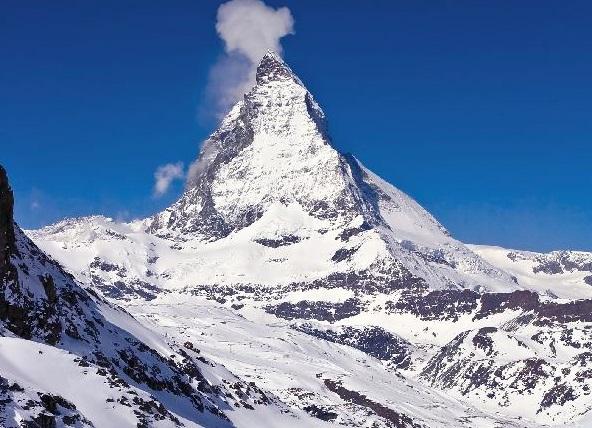
Swiss Grand Tour: From Zurich to Geneva
This travel guide provides a comprehensive itinerary through Switzerland, covering major cities and hidden gems from Zurich to Geneva. The journey includes urban exploration, alpine adventures, and cultural experiences, with practical information to help you plan your trip.
1. Zurich (Zürich)

Zurich is Switzerland’s largest city and a global financial hub, located at the northwestern end of Lake Zurich. It combines a modern urban environment with well-preserved medieval old town (Altstadt) areas. The city is known for its high quality of life, cultural attractions, and vibrant nightlife.
The Limmat River flows through the city, with the old town situated on both banks. Key landmarks include the Grossmünster and Fraumünster churches, both with significant historical and architectural value. The Bahnhofstrasse, one of the world’s most exclusive shopping avenues, runs from the main train station to the lake.
Zurich offers numerous museums, including the Swiss National Museum (Landesmuseum) and the Kunsthaus Zurich art museum. The lake provides opportunities for boat trips and swimming in summer, while the nearby Uetliberg mountain offers hiking trails and panoramic views of the city and Alps.
Practical Information for Zurich
Best Time to Visit: June to September for warm weather; December for Christmas markets.
Getting There: Zurich Airport (ZRH) is a major international hub. The main train station (Zürich HB) has excellent connections.
Getting Around: Efficient tram, bus, and train network; walkable city center.
Must-See: Old Town, Lake Zurich, Bahnhofstrasse, Uetliberg.
Accommodation: Range from luxury hotels (Baur au Lac) to hostels. Consider staying near the Hauptbahnhof for transport convenience.
Food & Drink: Try Zürcher Geschnetzeltes (veal in cream sauce). Visit a traditional beer hall or the trendy Kreis 5 district.
2. Liechtenstein

The Principality of Liechtenstein is a tiny, doubly-landlocked microstate between Switzerland and Austria. Its capital, Vaduz, is the primary destination for visitors. Liechtenstein is known for its dramatic alpine scenery, medieval castles, and status as a constitutional monarchy.
Vaduz Castle, the official residence of the Prince of Liechtenstein, overlooks the city from a hilltop. Although the castle itself is not open to the public, the views from the surrounding area are impressive. The Kunstmuseum Liechtenstein showcases modern and contemporary art, while the Postmuseum details the country’s famous stamp production.
The country offers excellent hiking and cycling trails, particularly in the mountainous regions like Malbun, a small resort area popular for skiing in winter and hiking in summer. Liechtenstein’s small size makes it easy to explore in a day trip from Switzerland.
Practical Information for Liechtenstein
Best Time to Visit: May to October for hiking; December to March for skiing.
Getting There: Train to Sargans or Buchs (Swiss stations), then take a local bus to Vaduz (approx. 30 mins).
Getting Around: Buses connect towns; renting a bike is a popular option.
Must-See: Vaduz Castle, Kunstmuseum, Malbun ski resort.
Accommodation: Limited options in Vaduz; consider day trips from nearby Swiss towns like Chur.
Food & Drink: Sample local wines from the Prince’s vineyard.
Note: Switzerland accepts the Swiss Franc (CHF); no border controls with Switzerland.
3. Maienfeld (Heidi Village)

Maienfeld is a picturesque town in the Rhine Valley, canton of St. Gallen. It is internationally famous as the setting for Johanna Spyri’s novel “Heidi,” which has made it a popular pilgrimage site for fans of the story. The landscape is characterized by vineyards, rolling hills, and views of the Alps.
The “Heididorf” (Heidi Village) is a themed experience that recreates the world of Heidi, including a replica of the grandfather’s house. Visitors can walk the “Heidi Trail” from Maienfeld up to the village, enjoying the idyllic scenery that inspired the book. The town itself has a charming old center with historic buildings.
Beyond the Heidi theme, Maienfeld is part of the Bündner Herrschaft wine region, known for producing excellent Pinot Noir (Blauburgunder). Wine tasting at local cellars is a recommended activity.
Practical Information for Maienfeld
Best Time to Visit: April to October for pleasant weather and hiking.
Getting There: Direct trains from Chur and Zurich; Maienfeld station is centrally located.
Getting Around: The town is small and easily explored on foot.
Must-See: Heididorf, Heidi Trail, old town of Maienfeld.
Accommodation: Guesthouses and small hotels in Maienfeld.
Food & Drink: Try local wines and regional Grisons specialities.
4. Chur (Coire)

Chur is the capital of the canton of Grisons (Graubünden) and is considered Switzerland’s oldest city, with a history of continuous settlement dating back over 5,000 years. It is situated at the confluence of the Plessur and Rhine rivers and serves as a major transport hub for the region.
The car-free old town is a maze of narrow lanes, historic squares, and medieval buildings. Key sights include the Cathedral of the Assumption of Mary (Churer Münster) and the Rhaetian Museum, which details the history and culture of the Grisons region. Chur is the gateway to several famous railway journeys, including the Bernina Express and Glacier Express.
The surrounding area offers numerous outdoor activities, from hiking in the Brambrüesch area (accessible by cable car from the city center) to exploring the nearby vineyards and castles.
Practical Information for Chur
Best Time to Visit: Year-round; summer for hiking, winter for nearby skiing.
Getting There: Major train station with direct connections to Zurich and other cities.
Getting Around: Compact old town is walkable; local buses and cable cars serve surrounding areas.
Must-See: Old Town (Altstadt), Chur Cathedral, Brambrüesch plateau.
Accommodation: Various hotels and guesthouses; a convenient stopover before scenic train journeys.
Food & Drink: Capuns and other Grisons specialties; local wines.
5. Andermatt
6. Lucerne (Luzern)
7. Lungern
8. Interlaken
9. Zermatt
10. Geneva (Genève)
General Travel Tips for Switzerland
Transport:The Swiss Travel System is exceptionally efficient. Consider a Swiss Travel Pass for unlimited travel on trains, buses, and boats, as well as free entry to many museums.
Currency: Swiss Franc (CHF). Credit cards are widely accepted.
Language: German (east), French (west), Italian (south), Romansh (some areas). English is commonly spoken in tourist areas.
Cuisine: Fondue, Raclette, Rösti, and excellent chocolate are must-tries.
Costs: Switzerland is expensive. Budget accordingly for accommodation, food, and activities.
Tipping: Service is included in bills, but rounding up or leaving a small tip is customary.