Northern Italy & The Dolomites Travel Guide
This guide covers a journey from the fashion capital of Milan through the stunning landscapes of the Italian Alps, culminating in the romantic city of Venice. The route includes Milan, Bergamo, Trento, Braies Lake, Val di Funes, Ortisei, Alpe di Siusi, Seceda, Tre Cime di Lavaredo, Misurina Lake, and Venice.
Milan (Milano)
Milan, the capital of Lombardy, is Italy’s second-most populous city and a global hub for fashion, design, and finance. It blends historical richness with modern innovation.
Attractions
Duomo di Milano (Milan Cathedral): A stunning Gothic cathedral that took nearly six centuries to complete. Visitors can explore the interior, ascend to the rooftop for panoramic views of the city, and see the adjacent Piazza del Duomo.
Galleria Vittorio Emanuele II: One of the world’s oldest shopping malls, this elegant arcade features high-end boutiques, historic cafes, and intricate mosaics.
Teatro alla Scala: One of the most famous opera houses globally, offering tours and performances for enthusiasts of music and history.
Santa Maria delle Grazie: A UNESCO World Heritage site housing Leonardo da Vinci’s “The Last Supper,” which requires advance booking.
Sforza Castle (Castello Sforzesco): A historic fortress with museums showcasing art and artifacts, including works by Michelangelo.
Brera District: Known for its bohemian atmosphere, art galleries, and the Pinacoteca di Brera, which holds a significant collection of Italian Renaissance art.
Practical Information
Getting There: Milan is served by Malpensa (MXP), Linate (LIN), and Bergamo (BGY) airports. High-speed trains connect Milan to major Italian cities like Rome, Florence, and Venice.
Getting Around: The city has an efficient public transport system including metro, buses, and trams. A day pass is cost-effective for tourists.
Accommodation: Options range from luxury hotels near the Duomo to budget hostels in areas like Corso Buenos Aires.
Best Time to Visit: Spring (April-June) and autumn (September-October) offer mild weather. Summers can be hot and crowded.
Cuisine: Try risotto alla Milanese, cotoletta alla Milanese, and panettone. The city is also known for its aperitivo culture.
Bergamo
Bergamo is a city in Lombardy divided into two distinct parts: the upper city (Città Alta), a medieval hilltop town surrounded by Venetian walls, and the lower city (Città Bassa), a more modern area.
Attractions
Città Alta: A UNESCO World Heritage site, accessible by funicular. Key sites include Piazza Vecchia, the Basilica of Santa Maria Maggiore, and the Colleoni Chapel.
Venetian Walls (Mura Venete): Built in the 16th century, these walls offer walking paths with scenic views of the city and surrounding countryside.
Accademia Carrara: An art gallery housing works by Botticelli, Raphael, and Titian.
San Vigilio Castle: Located at the highest point of the city, accessible by a second funicular, providing panoramic views.
Practical Information
Getting There: Bergamo is about 50 km from Milan, easily reachable by train (approx. 1 hour) or car. Orio al Serio Airport (BGY) serves low-cost airlines.
Getting Around: The funicular connects Città Bassa and Città Alta. The city is walkable, especially within Città Alta.
Accommodation: Stay in Città Alta for a historic experience or Città Bassa for modern convenience.
Best Time to Visit: Spring and autumn are ideal. Summer can be busy with tourists.
Cuisine: Known for polenta e osei (a dessert), casoncelli (stuffed pasta), and local cheeses.
Trento
Trento is the capital of the Trentino region, nestled in the Adige Valley. It is known for its well-preserved historic center and as the location of the Council of Trent (1545-1563).
Attractions
Piazza Duomo: The main square featuring the Trento Cathedral (Duomo di Trento) and the Fountain of Neptune.
Buonconsiglio Castle (Castello del Buonconsiglio): The largest castle in Trentino, with museums and art collections, including the Cycle of Months frescoes.
MUSE (Science Museum): A modern museum designed by Renzo Piano, focusing on science and natural history.
Santa Maria Maggiore: A Renaissance church where parts of the Council of Trent were held.
Practical Information
Getting There: Trento is accessible by train from Milan (approx. 2.5 hours) and Venice (approx. 2 hours). The A22 motorway connects it to Bolzano and Modena.
Getting Around: The city center is compact and walkable. Buses are available for longer distances.
Accommodation: Options include hotels in the historic center and agriturismos in the surrounding countryside.
Best Time to Visit: Year-round, with pleasant summers and snowy winters. The Christmas market is a highlight.
Cuisine: Try canederli (bread dumplings), strudel, and Trentodoc sparkling wine.
Braies Lake (Lago di Braies)
Braies Lake is a stunning alpine lake in the Prags Dolomites, known for its emerald-green waters and dramatic mountain backdrop. It is part of the Fanes-Sennes-Prags Natural Park.
Attractions
Lakeside Walk: An easy 3.5 km trail circles the lake, offering breathtaking views and photo opportunities.
Rowboat Rentals: Available at the northern end of the lake, allowing visitors to explore the waters up close.
Chapel of Santa Maria: A small chapel located near the lake, adding to the scenic charm.
Practical Information
Getting There: Accessible by car from Trento (approx. 2 hours). Public transport options are limited; buses run from Dobbiaco (Toblach) in summer.
Parking: Parking is available but fills up quickly in peak season (July-August). Arrive early or use shuttle services.
Accommodation: Hotels and guesthouses are available in nearby villages like San Candido (Innichen) or Dobbiaco.
Best Time to Visit: Late spring to early autumn (June-September). Winter offers a snowy landscape but limited access.
Cuisine: Local dishes include speck (cured ham) and hearty South Tyrolean fare. Picnicking by the lake is popular.
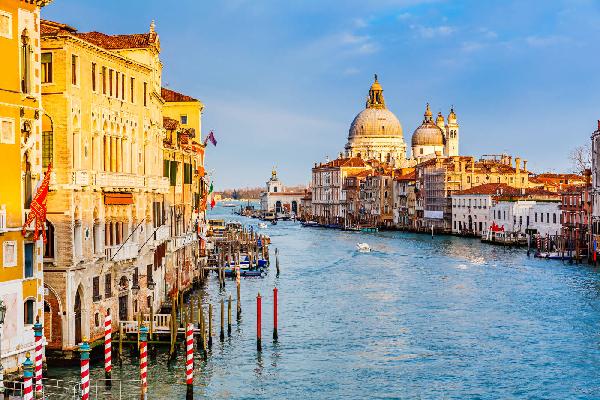
Venice (Venezia)
Venice is a unique city built on a lagoon in the Adriatic Sea, known for its canals, historic architecture, and artistic heritage. It is a UNESCO World Heritage site.
Attractions
St. Mark’s Square (Piazza San Marco): The main public square, home to St. Mark’s Basilica, the Doge’s Palace, and the Campanile.
Grand Canal: The major waterway traversed by gondolas and vaporetti (water buses), lined with palaces and churches.
Rialto Bridge: The oldest bridge across the Grand Canal, offering shops and views.
Murano and Burano Islands: Known for glassmaking and colorful houses, respectively, accessible by boat.
Practical Information
Getting There: Venice Marco Polo Airport (VCE) is the main airport. Trains arrive at Santa Lucia station, connected to the mainland by bridge.
Getting Around: Water buses (vaporetti) are the primary public transport. Gondolas are available for tours but are expensive.
Accommodation: Stay in central areas like San Marco for convenience or Cannaregio for a quieter experience.
Best Time to Visit: Spring and autumn avoid summer crowds and high water (acqua alta) risks in winter.
Cuisine: Enjoy cicchetti (small plates), seafood risotto, and tiramisu. Try local wines like Prosecco.
General Travel Tips for Northern Italy & The Dolomites
Transportation: Renting a car provides flexibility for exploring the Dolomites. Trains are efficient between major cities. In mountainous areas, buses and cable cars are essential.
Language: Italian is the primary language. German is widely spoken in South Tyrol (e.g., Val di Funes, Ortisei). English is common in tourist areas.
Currency: Euro (€). Credit cards are widely accepted, but carry cash for small shops or rural areas.
Sustainability: Respect nature by staying on trails, disposing of waste properly, and supporting local businesses. The Dolomites are a UNESCO World Heritage site.
Shopping: Look for local products like speck, cheese, wine, and handicrafts (wood carvings in Val Gardena).
Conclusion
The journey from Milan to Venice through the Dolomites offers a diverse experience of Italian culture, history, and natural beauty. From urban sophistication to alpine serenity, this route showcases the best of Northern Italy. Plan ahead for transportation and accommodations, especially during peak seasons, to ensure a smooth and memorable trip.