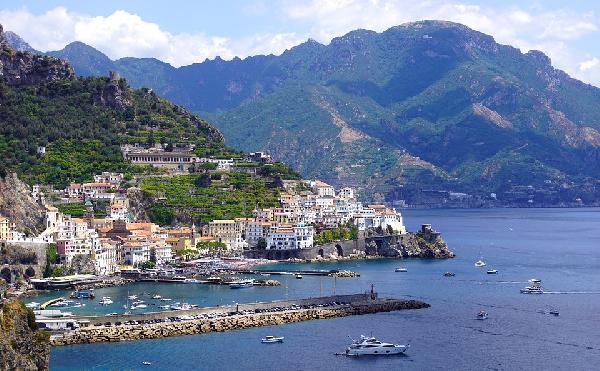
Naples to Amalfi Coast Travel Guide
Explore the vibrant streets of Naples, the coastal charm of Sorrento, the cliffside beauty of Positano, and the historic allure of Amalfi. This comprehensive guide provides everything you need for an unforgettable journey through one of Italy’s most stunning regions.
Introduction to the Region
The Campania region of Italy offers a remarkable blend of intense history, breathtaking landscapes, and some of the country’s most beloved cuisine. This itinerary takes you from the raw energy of Naples, through the lemon groves of Sorrento, and along the dramatic cliffs of the Amalfi Coast to Positano and Amalfi, before returning to your starting point. Each destination possesses a unique character, yet together they form an unparalleled Italian experience.

Naples (Napoli)
The vibrant, chaotic, and passionate city of Naples is the birthplace of pizza and a UNESCO World Heritage site. It is a city of contrasts, where opulent palaces sit beside bustling markets, and ancient underground ruins lie beneath a modern metropolis.
Overview & Atmosphere
Naples is intense and authentic. It is not a polished city, but its raw energy, historical depth, and artistic treasures are captivating. The historic center (Centro Storico) is a labyrinth of narrow streets teeming with life, while the bay offers stunning views of Mount Vesuvius.
Key Attractions
Naples National Archaeological Museum: Home to an unparalleled collection of Roman antiquities, including artifacts from the nearby Pompeii and Herculaneum excavations.
Historic Center (Centro Storico): A UNESCO site. Wander through Spaccanapoli, a long, straight street that literally “splits Naples,” and discover churches like the Naples Cathedral (Duomo) and the Gesù Nuovo.
Capodimonte Museum & Park: Housed in a former royal palace, this museum features works by masters like Titian, Caravaggio, and Raphael amidst beautiful gardens.
Underground Naples (Napoli Sotterranea): Explore a network of underground tunnels and Greco-Roman aqueducts that lie 40 meters below the city.
Royal Palace of Naples (Palazzo Reale) & Piazza del Plebiscito: Visit the lavish royal apartments and the vast, impressive square in front.
Castel dell’Ovo: The city’s oldest castle, situated on a small island with panoramic views of the bay.
Practical Information
Getting There: Naples International Airport (NAP) is the main gateway. The city is also a major rail hub with connections from Rome and other Italian cities via Trenitalia and Italo.
Getting Around: The city center is best explored on foot. The metro, funiculars, and buses are useful for longer distances.
Where to Eat: Naples is the home of pizza. Seek out a traditional pizzeria for a Margherita or Marinara. Also try street food like fried pizza (pizza fritta) and pastries like sfogliatella.
Accommodation: Options range from luxury hotels along the waterfront to boutique B&Bs in the historic center.
Naples Travel Tips
- Be vigilant with your belongings in crowded areas and on public transport.
- Embrace the chaos; it’s part of the city’s charm.
- A day trip to the archaeological sites of Pompeii and Herculaneum is highly recommended and easily accessible by the Circumvesuviana train.
Sorrento
A picturesque town perched on cliffs overlooking the Bay of Naples, Sorrento serves as a tranquil and elegant base for exploring the region. Known for its lemons, limoncello, and stunning views, it offers a more relaxed pace than Naples.
Overview & Atmosphere
Sorrento is chic, clean, and fragrant with lemon groves. Its cliff-top setting provides breathtaking views of Mount Vesuvius across the bay. The atmosphere is more resort-like, with lovely gardens, elegant shops, and a charming historic center.
Key Attractions
Piazza Tasso: The bustling main square, perfect for people-watching and enjoying a coffee.
Corso Italia: The main shopping street lined with a mix of international brands and local artisan shops.
Marina Grande & Marina Piccola: Two harbors. Marina Grande is a charming fishing village with seafood restaurants, while Marina Piccola is the main port for ferries.
Valley of the Mills (Valle dei Mulini): A deep, lush ravine with the ruins of ancient mills, visible from viewpoints in the town.
Cloister of San Francesco: A beautiful 14th-century cloister adjacent to a public park, often used for concerts and weddings.
Practical Information
Getting There: From Naples, take the Circumvesuviana train (approx. 1 hour) or a ferry (faster and more scenic, approx. 30-45 minutes).
Getting Around: The town center is very walkable. Buses connect the town to nearby beaches and attractions.
Where to Eat: Enjoy seafood by the marina, pasta with local lemons (e.g., spaghetti al limone), and of course, sample limoncello.
Accommodation: A wide range of options including grand hotels with sea-view pools and family-run guesthouses.
Sorrento Travel Tips
- Sorrento is an excellent base for day trips to Capri, Pompeii, and the start of Amalfi Coast explorations.
- Visit a “limoneto” (lemon grove) to learn about the production of lemons and limoncello.
- The public beaches are mostly pebbly; lidos charge for sunbed and umbrella rentals.
Positano
The iconic vertical town of Positano is perhaps the most photographed location on the Amalfi Coast. Its pastel-colored houses cascade down a steep mountainside to a small pebble beach, creating a breathtaking panorama.
Overview & Atmosphere
Positano is glamorous, romantic, and dramatically beautiful. It’s a place to see and be seen, with stylish boutiques, upscale hotels, and chic beach clubs. Be prepared for stairs and steep walks.
Key Attractions
Spiaggia Grande: The main beach, a vibrant hub of activity with colorful umbrellas and boats.
Path of the Gods (Sentiero degli Dei): The trailhead is accessible from Positano. This world-famous hike offers jaw-dropping coastal views.
Church of Santa Maria Assunta: Famous for its majolica-tiled dome and the Byzantine icon “Black Madonna.”
Fornillo Beach: A quieter, smaller beach reachable by a scenic path from Spiaggia Grande.
Practical Information
Getting There: The SITA bus from Sorrento is the most common way (can be crowded). Ferries are a more pleasant but pricier alternative.
Getting Around: Positano is almost entirely pedestrian-only. Wear comfortable shoes as you will be climbing many stairs and slopes.
Where to Eat: Seafood is king. Many restaurants have terraces with stunning views. Be prepared for higher prices.
Positano Travel Tips
- Visit early in the morning or late in the afternoon to avoid the day-trip crowds.
- Book accommodation well in advance, especially for the high season.
- The best views are often from the water; consider a boat tour.
Amalfi
Once a powerful maritime republic rivaling Genoa and Pisa, Amalfi is a town steeped in history. It sits at the mouth of a deep ravine and is dominated by its striking cathedral.
Overview & Atmosphere
Amalfi feels more like a lived-in town than Positano. It has a bustling main piazza, a busy port, and a rich historical core. It’s less vertical than Positano but still surrounded by dramatic scenery.
Key Attractions
Amalfi Cathedral (Duomo di Sant’Andrea): The town’s centerpiece, with its magnificent striped facade, grand staircase, and beautiful Cloister of Paradise (Chiostro del Paradiso).
Paper Museum (Museo della Carta): Housed in an ancient paper mill, this museum details Amalfi’s historic paper-making industry.
Valley of the Mills (Valle dei Mulini): A scenic walk up the valley behind Amalfi, following the path of old paper mills.
Atrani: A charming neighboring village just a 15-minute walk along the coast, offering a more local atmosphere.
Practical Information
Getting There: Regular SITA buses run from Positano and Sorrento. Ferries also connect Amalfi to other coastal towns and Salerno.
Getting Around: The town center is flat and walkable. Buses are needed to reach hotels on the cliffs above town.
Amalfi Travel Tips
- Use Amalfi as a base for exploring nearby Ravello, a stunning hilltop town known for its gardens and villas.
- The bus station can get very chaotic; be prepared to queue.
- Try the local pastry, “sfusato amalfitano” (a lemon-shaped pastry).