Arctic Circle Adventure: A Travel Guide to Northern Norway, Sweden, and Finland
This journey through the northernmost reaches of Scandinavia is a voyage into a world of stark beauty, profound silence, and unique cultural experiences. From the official home of Santa Claus to the dramatic fjords of Norway, this itinerary connects the cities of Rovaniemi, Haparanda, Kiruna, Narvik, and Tromsø, with unforgettable stops at an ice hotel and a mighty icebreaker ship. It’s a trip defined by the elements—ice, snow, auroral light, and the warmth of people living in some of the planet’s most challenging environments.
Part 1: Rovaniemi, Finland – Gateway to the Arctic
Nestled on the Arctic Circle, Rovaniemi is the capital of Finnish Lapland and proudly bears the title of the official hometown of Santa Claus. While this attracts visitors year-round, the city offers a much deeper Arctic experience beyond the festive cheer.
Attractions & Experiences
Santa Claus Village: Located directly on the Arctic Circle line, this is a must-visit. You can meet Santa Claus himself, cross the Arctic Circle line, and get your passport stamped with an official Arctic Circle stamp. The post office here, run by Santa’s elves, is operational year-round.
Arktikum Museum: A superb museum and science center that plunges you into the world of the Arctic. Its long glass tunnel leads to the Ounasjoki River, and inside, exhibits detail Sami culture, Arctic wildlife, and the history of Lapland. It’s a perfect introduction to the region.
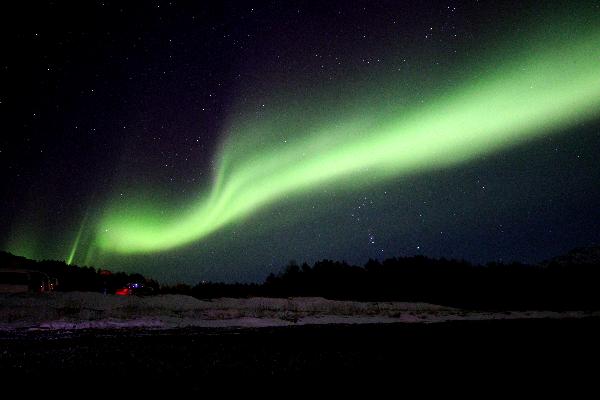
Northern Lights Hunting: Rovaniemi offers excellent opportunities for aurora spotting. Join a guided tour that takes you away from city lights to a traditional Kota (wooden hut) where you can warm up by a fire while waiting for the skies to dance.
Husky & Reindeer Safaris: Experience the Lappish wilderness as the locals have for centuries. A husky safari is an exhilarating ride through snow-covered forests, while a gentler reindeer sleigh ride offers a moment of peace and connection with these iconic animals.
Food & Drink
Finnish cuisine is hearty and simple, designed to provide sustenance in a cold climate. Try
Poronkäristys (sautéed reindeer) with mashed potatoes and lingonberries. For a sweet treat, look for Lakka (cloudberry) liqueur or jam. Don’t leave without experiencing a traditional Finnish sauna; it’s a cultural ritual, not just a bath.
Transportation & Practical Tips
Rovaniemi is easily accessible by plane or train from Helsinki. The city center is walkable, but you will need pre-booked tours or taxis to reach attractions like the Santa Claus Village (about 3km from the center). Winter tires are mandatory for all vehicles from December to February. Dress in layers: a thermal base layer, an insulating mid-layer, and a windproof and waterproof outer layer are essential.
Part 2: Haparanda, Sweden & The Icebreaker Experience
A short bus or car ride from Rovaniemi brings you to the twin cities of Haparanda (Sweden) and Tornio (Finland). This border area is unique for its peaceful coexistence of two nations. The primary draw here, however, is one of the world’s most powerful tourist attractions—literally.
The Icebreaker Sampo
Docked in the Bay of Bothnia near Kemi (a short distance from Tornio), the
Icebreaker Sampo is a legendary vessel that once served for 30 years clearing shipping lanes. Today, it offers a once-in-a-lifetime adventure.
The Cruise: The ship sets sail into the frozen sea, its immense weight and powerful engines crunching through thick ice sheets with astonishing ease. The sensation and sound are unforgettable.
The Floating: The highlight for most is the opportunity to don a bright orange survival suit and float in the icy Arctic water. The suit is so buoyant and protective that you bob on the surface like a cork, feeling completely dry and warm despite the sub-zero water temperature.
Onboard Experience: You can explore the ship’s bridge, engine room, and learn about its history. A warm lunch is typically served on board.
Haparanda & Tornio Insights
Take some time to explore the towns. Notice how they share resources; for instance, the main shopping center is in Haparanda, but its architecture is distinctly Finnish. Because of the time zone difference (Finland is one hour ahead of Sweden), you can technically have a beer in Finland and walk to Sweden for an “extra” hour of drinking if you so wish.
Part 3: Kiruna & The World-Famous Icehotel
Travelling northwest from Haparanda into Swedish Lapland, you’ll reach Kiruna, a town literally on the move. Due to subsidence from the world’s largest iron ore mine, the entire city is being relocated building by building. This sense of transition is palpable.
Attractions & Experiences
The Original Icehotel (Jukkasjärvi): Located in the village of Jukkasjärvi, about 20 minutes from Kiruna, this is the pioneer, the first and most famous ice hotel in the world. It is rebuilt every winter from ice harvested from the Torne River.
Art Suites: Each year, artists from around the world are invited to design and sculpt unique suites, making every year’s hotel a new work of art. Spending a night in a room where the temperature is a constant -5°C (23°F) is a unique challenge (you sleep in a thermal sleeping bag on a bed of ice).
Absolut Icebar: Even your drink glass is made of ice.
Day Visits: You don’t have to stay overnight to appreciate it. Day passes allow you to tour the spectacular suites.
Kiruna Church (Lappkyrkan): This beautiful red wooden church is one of Sweden’s largest wooden buildings and a national monument. It is one of the structures being carefully moved to the new city center.
Sami Culture: This region is the heartland of the indigenous Sami people. Visit a Sami camp to learn about their ancient traditions, reindeer herding way of life, and their deep connection to the land.
Food & Drink
Expect robust Swedish fare.
Köttbullar (Swedish meatballs) with cream sauce and lingonberries are a classic. In Kiruna, you might also find game like elk and moose on menus. Fika—the Swedish tradition of a coffee break with a sweet pastry like a cinnamon bun—is essential.
Transportation & Practical Tips
The train from Luleå (near Haparanda) to Kiruna is scenic and comfortable. Renting a car gives you more flexibility. Book your Icehotel visit or Sami experience
well in advance, as they are extremely popular. If you’re not staying at the Icehotel, book a warm hotel in Kiruna—it’s a good base for exploration.
Part 4: Narvik, Norway – Fjords and War History
The journey from Kiruna to Narvik is one of the most spectacular train rides in Europe. The
Ofoten Railway climbs through dramatic mountain scenery before plunging down towards the Norwegian Sea, offering breathtaking views of fjords and peaks.
Attractions & Experiences
The Narvik War Museum: Narvik’s history is deeply marked by World War II. The town was a strategic prize during the Battle of Narvik, one of the first major battles between Allied and German forces. This modern museum provides an excellent, balanced account of the war in Northern Europe.
Narvikfjellet Mountain: Take the cable car to the top of Mount Fagernesfjellet for a staggering panoramic view of the Ofotfjord, the city, and the surrounding mountains. It’s a prime location for Northern Lights viewing in winter and midnight sun hiking in summer.
Fjord Safari: Get out on the water with a RIB boat tour to experience the scale and beauty of the fjords from sea level and learn about local history and wildlife.
Food & Drink
You are now in Norway, where seafood is king. Fresh cod (
Torsk), salmon (Laks), and king crab are ubiquitous and incredibly fresh. Try Fiskesuppe, a creamy fish soup. Norway is also famous for its high-quality, albeit expensive, coffee culture.
Transportation & Practical Tips
The train from Kiruna to Narvik is your best bet. Narvik is a small town that is easily explored on foot. The cable car station is a short walk from the main street. This coastal area can be wet and windy, so a good waterproof jacket is crucial.
Part 5: Tromsø, Norway – The Arctic Capital
A flight or a longer bus ride south from Narvik brings you to Tromsø, the vibrant cultural hub of Northern Norway. Surrounded by stunning islands and mountains, it’s often called “The Paris of the North” for its surprisingly lively atmosphere.
Attractions & Experiences
The Arctic Cathedral (Ishavskatedralen): This iconic building, with its striking triangular design and massive stained-glass window, is Tromsø’s most recognizable landmark. Its interior is as breathtaking as its exterior.
Fjellheisen Cable Car: For what is arguably the best view in all of Northern Norway, take the cable car up to Mount Storsteinen. The view over Tromsø, the surrounding islands, and mountains is spectacular by day and magical under the aurora borealis at night.
Polaria: An Arctic experience center with an entertaining walk-through panorama of Svalbard and fascinating exhibits on Arctic climate research. Its main attraction is the bearded seals, which are delightful to watch.
The Polaria Museum: A great place to learn about Arctic exploration and environmental science.
Aurora Borealis Hunting: Tromsø is one of the best places in the world to see the Northern Lights. Numerous tour operators offer chasing tours by bus, boat, or even minibus for smaller groups, increasing your chances significantly.
Food & Drink
Tromsø has an excellent food scene. Be sure to try:
Reindeer: Often served as a steak or in a stew.
Stockfish: Dried cod, a traditional Norwegian staple.
Brunost: The unique brown “cheese” that is actually a sweet whey cheese—delicious on toast or waffles.
Visit one of Tromsø’s many historic pubs for a local beer.
Transportation & Practical Tips
Tromsø has an international airport with good connections. The city center is compact and walkable, but buses are available for longer distances. This is your last chance to buy any Arctic souvenirs or high-quality woolen goods. Remember that while credit cards are accepted almost everywhere in Norway, Sweden, and Finland, it’s always wise to have a small amount of local currency for minor purchases.
Final Travel Advice for Your Arctic Journey
Best Time to Travel: For winter activities and Northern Lights, visit between November and March. For milder weather and midnight sun, travel from June to August.
The Layering System: This cannot be overstated. Merino wool or synthetic thermal base layers are your best friend. Avoid cotton as it retains moisture.
Footwear: Insulated, waterproof boots with a good grip are non-negotiable.
Aurora Forecast: Use apps and websites (like the Norwegian Meteorological Institute) to check solar activity and cloud cover for your Northern Lights hunts.
Budgeting: Norway is significantly more expensive than Sweden and Finland. Budget accordingly for meals and activities.
Respectful Travel: Be respectful of the fragile Arctic environment and the local Sami culture. Always follow the “Leave No Trace” principles.
This journey through the European High Arctic is more than a vacation; it’s an immersion into a landscape and culture shaped by extreme conditions and breathtaking beauty. It’s an adventure that will leave you with memories of crystalline ice, dancing skies, and the profound silence of the snow-covered north.