A Grand Tour of Turkey and Egypt: From the Aegean to the Nile
This journey weaves through the heart of two empires, connecting the ancient capitals of the Ottomans and the Pharaohs. It is a voyage across diverse landscapes—from the fairy chimneys of Cappadocia to the life-giving Nile, from the marble streets of Roman metropolises to the bustling bazaars of Istanbul. This guide provides a detailed, objective account of the experiences, logistics, and cultural nuances you will encounter on this epic itinerary.
Part I: Turkey – Crossroads of Continents
Istanbul: Where East Meets West
Your adventure begins in Istanbul, a city straddling two continents. The air is thick with the call to prayer, the scent of roasted chestnuts, and the salty breeze from the Bosphorus.
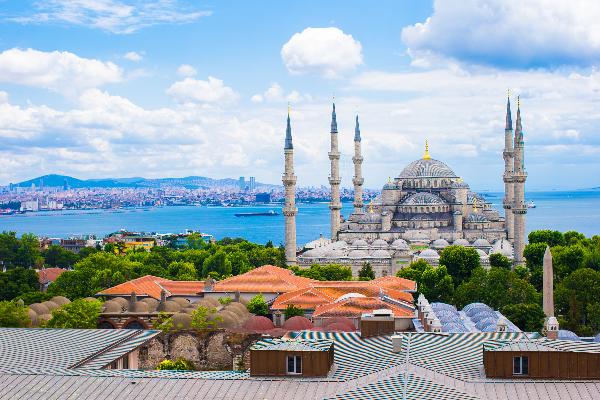
Sultanahmet Square Attractions: Start at the Hagia Sophia, a monumental masterpiece that has been a cathedral, mosque, and now a museum. Its massive dome and shimmering mosaics are awe-inspiring. Opposite stands the Blue Mosque, renowned for its exquisite Iznik tile work and six minarets. Descend into the mystical Basilica Cistern, an underground palace of columns and Medusa heads.
Topkapi Palace: Spend half a day exploring the opulent home of the Ottoman Sultans. The Harem offers a fascinating glimpse into royal life, while the Treasury dazzles with jewels, including the famous Topkapi Dagger.
Grand Bazaar & Spice Market: Get lost in the labyrinthine corridors of the Grand Bazaar. For a more sensory (and aromatic) experience, head to the Spice Market, where mounds of saffron, lokum (Turkish delight), and dried fruits create a vibrant tapestry.
Food & Culture: Savor a breakfast spread of cheeses, olives, tomatoes, and simit (sesame bread rings). For lunch, try balık ekmek (grilled fish in bread) by the Galata Bridge. Don’t miss tasting authentic Turkish coffee and a slice of baklava. The culture is a blend of deep-rooted Islamic traditions and a modern, secular outlook. Dress modestly when visiting mosques.
Transportation: The Istanbulkart is essential for trams, ferries, and metros. A ferry ride on the Bosphorus is a must for stunning views of palaces and wooden mansions (yalıs).
Travel Tip: Purchase a museum pass for Istanbul to skip long ticket lines at major attractions.
Bursa: The Green City and First Ottoman Capital
A short ferry and bus ride from Istanbul takes you to Bursa, at the foot of Mount Uludağ. It’s a city of early Ottoman grandeur and natural beauty.
Attractions: Visit the Grand Mosque (Ulu Cami) with its unique twenty-dome structure and impressive calligraphy. The Green Mosque (Yeşil Cami) and Green Tomb (Yeşil Türbe) are masterpieces of Seljuk and early Ottoman tile work. Explore the old silk market in the Koza Han.
Food & Culture: Bursa is the birthplace of the Iskender Kebab—thinly sliced lamb döner over pita bread, smothered in tomato sauce and browned butter, served with yogurt. Visit a hammam (Turkish bath); Bursa’s thermal springs make its baths particularly renowned.
Transportation: Reach Bursa via IDO ferry from Yenikapı or Kabataş to Mudanya or Yalova, then a bus into the city center. Local trams are efficient for getting around.
Izmir & Ephesus: The Aegean Pearl and an Ancient Marvel
Fly or take a bus to Izmir, Turkey’s third-largest city, a vibrant port with a long palm-lined promenade. Its main draw is its proximity to Ephesus.
Ephesus: This is one of the best-preserved classical cities in the Mediterranean. Walking down the marble-paved Curetes Street, you’ll pass the Temple of Hadrian and the spectacular Library of Celsus. The grand Great Theatre, with a capacity of 25,000, is where St. Paul is said to have preached. A short drive away is the House of the Virgin Mary, a revered pilgrimage site.
Şirince Village: Nearby, this charming hillside village is famous for its fruit wines and quaint Ottoman-style houses.
Food & Culture: In Izmir, try boyoz (a flaky pastry) for breakfast and “Izmir Bombası” (a cream-filled pastry ball). The Aegean coast has a more liberal, relaxed atmosphere compared to inland Anatolia.
Transportation: From Izmir’s main bus station, frequent minibuses (dolmuş) go to Selçuk (the town for Ephesus). The Ephesus archaeological site is a short taxi or dolmuş ride from Selçuk.
Pamukkale & Hierapolis: The Cotton Castle
A bus ride inland brings you to the surreal landscape of Pamukkale.
Attractions: Pamukkale, meaning “cotton castle,” is a series of stark white travertine terraces filled with thermal waters. You can walk barefoot on these terraces and bathe in the warm, mineral-rich pools. At the top lies the ancient city of Hierapolis, where you can explore a vast necropolis, a well-preserved theatre, and the Antique Pool (Cleopatra’s Pool), where you can swim amongst submerged Roman columns.
Travel Tip: Visit late in the afternoon when the crowds thin and the setting sun casts a golden glow on the white terraces.
Sultanhani Caravanserai: A Silk Road Oasis
This is typically a stop on the long drive from Pamukkale to Cappadocia. The Sultanhani is one of the largest and best-preserved medieval caravanserais in Turkey.
Experience: Stepping inside its massive walls transports you back to the Silk Road era. Imagine merchants and their camels resting in the vast courtyard and halls, protected from bandits after a long day’s journey. It’s a brief but powerful historical interlude.
Cappadocia: A Landscape from Dreams
The journey into Cappadocia reveals an otherworldly landscape shaped by volcanic erosion.
Hot Air Balloon Ride: A pre-dawn hot air balloon flight over the fairy chimneys and valleys is the quintessential Cappadocia experience, offering breathtaking panoramic views.
Göreme Open-Air Museum: A UNESCO World Heritage site featuring a complex of rock-cut churches, chapels, and monasteries adorned with beautiful Byzantine frescoes.
Underground Cities: Explore Kaymaklı or Derinkuyu, multi-level subterranean cities that could house thousands of people, complete with stables, churches, and ventilation shafts.
Valley Hikes: Hike through the beautiful Ihlara Valley, Red Valley, or Love Valley to see rock formations, hidden churches, and pigeon houses carved into the cliffs.
Food & Culture: Stay in a cave hotel for a unique experience. Testi Kebab (meat and vegetables cooked in a sealed clay pot) is a local specialty. The region is also known for its pottery in Avanos.
Transportation:The most convenient way to explore is by joining a guided tour or hiring a private car/driver for the day.
Ankara: The Modern Capital
A drive from Cappadocia brings you to Ankara, Turkey’s political heart.
Attractions:The primary reason to visit is the Museum of Anatolian Civilizations, a world-class museum housing artifacts from Paleolithic to Classical times. The Anıtkabir, the mausoleum of Mustafa Kemal Atatürk, founder of modern Turkey, is an imposing and revered monument.
Travel Tip: Ankara is often seen as a transit point. If short on time, focus on these two key sites before flying back to Istanbul to connect to Egypt.
Part II: Egypt – Gift of the Nile
Cairo: The Vibrant Chaos
Flying from Istanbul to Cairo is a journey into a different kind of intensity—a sprawling metropolis teeming with life, history, and sound.
The Pyramids of Giza & Sphinx: No description can prepare you for the sheer scale and age of the Great Pyramid. Spend time exploring the complex, including the smaller pyramids and the Solar Boat Museum. The enigmatic Sphinx stands guard nearby.
The Egyptian Museum: Located in Tahrir Square, this historic museum is a treasure trove. While many key items are moving to the new Grand Egyptian Museum (GEM), it still holds an incredible collection, including the treasures from Tutankhamun’s tomb.
The Citadel & Muhammad Ali Mosque: Perched on a hill, the Citadel offers stunning views over Cairo. The alabaster Muhammad Ali Mosque within its walls is a dominant landmark.
Khan el-Khalili Bazaar: Dive into this historic market. It’s a sensory overload of spices, perfumes, lanterns, and jewelry. Enjoy a traditional tea at El Fishawy café.
Food & Culture: Eat koshary, Egypt’s national dish—a mix of rice, lentils, chickpeas, pasta, and crispy onions with tomato sauce. Try ful medames (fava beans) for breakfast. Cairo is chaotic but deeply fascinating. Be prepared for persistent vendors and negotiate firmly but politely.
Transportation: Use ride-hailing apps like Uber or Careem for convenient and metered trips. The metro is efficient for beating traffic.
Alexandria: The Mediterranean Bride
A day trip or short stay in Alexandria offers a respite from Cairo’s heat with its Mediterranean breeze.
The Bibliotheca Alexandrina:A stunning modern reincarnation of the ancient Library of Alexandria. Its architecture alone is worth the visit.
The Citadel of Qaitbay:A 15th-century defensive fortress built on the site of the ancient Lighthouse of Alexandria, one of the Seven Wonders.
Kom el Shoqafa Catacombs:A Roman burial site that shows a unique blend of Egyptian, Greek, and Roman artistic styles.
The Nile Cruise: Aswan, Kom Ombo, Edfu, Luxor
The most relaxing way to see Upper Egypt’s treasures is by a multi-day Nile Cruise from Aswan to Luxor (or vice versa).
Aswan
Aswan has a more relaxed, Nubian culture.
The High Dam:A modern engineering marvel that controls the Nile’s flood and created Lake Nasser.
The Unfinished Obelisk:Provides incredible insight into ancient stone-working techniques.
Philae Temple:A beautiful temple dedicated to Isis, relocated to Agilkia Island after being submerged by the old dam.
Optional Abu Simbel:A very early morning flight or convoy takes you to Ramses II’s magnificent rock-cut temple, another monumental UNESCO rescue project.
Sailing North: Kom Ombo & Edfu
Temple of Kom Ombo:A unique double temple dedicated to Sobek (the crocodile god) and Horus the Elder. You can also see mummified crocodiles in an adjacent museum.
Temple of Edfu:The most completely preserved temple in Egypt, dedicated to the falcon god Horus. Its massive pylons and grand halls are breathtaking.
Luxor: The World’s Greatest Open-Air Museum
The cruise culminates in Luxor, ancient Thebes.
The East Bank:The “City of the Living”. Explore the sprawling , a vast temple complex connected to Luxor Temple by a 3km avenue of sphinxes.*