A Grand Tour of Britain: From Edinburgh’s Heights to London’s Lights
This comprehensive travel guide outlines a classic circular route through Great Britain, starting and ending in the magnificent Scottish capital of Edinburgh. This journey is designed to offer a rich tapestry of experiences, from the historic universities and bustling cities to the serene countryside and dramatic highland landscapes. It covers practical information on attractions, food, transportation, and cultural insights to help travelers make the most of their British adventure.
Edinburgh: The Athens of the North
Edinburgh, Scotland’s capital, is a city of dramatic geology, with its Old and New Towns divided by the green expanse of Princes Street Gardens. It is a city steeped in history, literature, and a vibrant contemporary culture.
Key Attractions
Edinburgh Castle: Dominating the city skyline from its perch on an extinct volcano, this historic fortress is Scotland’s most-visited paid tourist attraction. Visitors can see the Crown Jewels, the Stone of Destiny, and Mons Meg.
The Royal Mile: This is the main thoroughfare of the Old Town, connecting Edinburgh Castle to the Palace of Holyroodhouse. It’s lined with closes (narrow alleyways), shops, pubs, and street performers.
Arthur’s Seat: For the active traveler, a hike up this ancient volcano in Holyrood Park offers panoramic views of the city and the Firth of Forth.
National Museum of Scotland: A fantastic free attraction chronicling Scottish history from the geological beginnings to the modern day.
Food & Drink
Scottish cuisine is hearty. Try
haggis, neeps and tatties (a savory pudding with turnip and potatoes) in a traditional pub. For a taste of local seafood, sample Cullen Skink (a smoked haddock chowder). Don’t forget to visit a whisky shop to sample Scotland’s national drink.
Transportation & Accommodation
Edinburgh Airport is well-connected. The city center is very walkable, but buses and trams are efficient. The Old Town offers historic charm with boutique hotels, while the New Town provides more Georgian elegance. For budget travelers, there are numerous hostels near the Royal Mile.
Cultural Insight
Edinburgh is a city of festivals. If visiting in August, you’ll experience the world-famous Edinburgh Festival Fringe, the largest arts festival in the world. The city’s literary heritage is also profound, being the home of authors like Sir Walter Scott and Robert Louis Stevenson.
York: A Journey Through Medieval England
Traveling south from Edinburgh by train (approx. 2.5 hours), York is a beautifully preserved medieval city in northeast England, renowned for its magnificent Minster and ancient city walls.
Key Attractions
York Minster: One of the world’s most magnificent cathedrals. The climb up the Central Tower is strenuous but rewards with incredible views.
The Shambles: A crooked, overhanging medieval street, often cited as the inspiration for Diagon Alley from Harry Potter. It’s now lined with quirky shops.
York City Walls: Walk a complete circuit of these well-preserved walls for a unique perspective on the city.
National Railway Museum: A free museum housing a world-class collection of historic trains, including the Japanese Bullet Train and Queen Victoria’s royal carriages.
Food & Drink
York is famous for its
chocolate (home to KitKat and Terry’s Chocolate Orange). Enjoy a traditional Yorkshire Pudding with a roast dinner at a local pub. For a unique experience, book an afternoon tea cruise on the River Ouse.
Transportation & Accommodation
York’s train station is a short walk from the city center. The city is best explored on foot. Accommodation ranges from charming guesthouses within the city walls to modern hotels near the station.
Cultural Insight
York’s history is layered, from its Roman roots (Eboracum) to its Viking past (Jorvik). The Jorvik Viking Centre offers an immersive look into this era. The city has a thriving arts scene and a pub for every day of the year, as the local saying goes.
Cambridge: Punting on the Cam
A train journey south (approx. 2 hours from York) brings you to Cambridge, a city defined by its world-famous university. The atmosphere is one of academic excellence and serene beauty.
Key Attractions
The University Colleges: Visit iconic colleges like King’s College to see its breathtaking chapel, Trinity College, and St John’s College with its famous Bridge of Sighs.
Punting on the River Cam: A quintessential Cambridge experience. Glide along the “Backs” – the beautiful gardens and grounds behind the colleges – either by hiring your own punt or taking a guided tour.
Fitzwilliam Museum: A superb art and antiquities museum with a collection rivaling smaller national museums. Admission is free.
Food & Drink
Cambridge has a vibrant food market in the center. For a classic English pub experience, visit The Eagle, where Francis Crick and James Watson announced their discovery of DNA. Many college cafes are also open to the public.
Transportation & Accommodation
Cambridge is a compact city perfect for walking and cycling. There is a good bus network. Staying in a guesthouse or a hotel slightly outside the very center can offer better value. Some university colleges offer B&B accommodation during vacation periods.
Cultural Insight
The university dominates life in Cambridge. Respect that these are working institutions; access may be restricted during exam periods or term time. The rivalry with Oxford is friendly but deeply ingrained in both cities’ identities.
London: The World in a City
A short train ride from Cambridge (approx. 50 minutes) delivers you to London, one of the world’s most dynamic and diverse cities. This itinerary includes multiple stops in London to allow for thorough exploration.
Key Attractions
The British Museum: Home to a vast collection of world art and artifacts, including the Rosetta Stone and the Parthenon Marbles. Free entry.
The South Bank: A vibrant cultural walk taking in the London Eye, Shakespeare’s Globe Theatre, Tate Modern art gallery, and Borough Market for foodies.
Historic Palaces & Parliament: See the Changing of the Guard at Buckingham Palace, tour the Tower of London, and admire the Houses of Parliament and Big Ben from across the Thames.
West End: Catch a world-class theatre performance in London’s equivalent of Broadway.
Food & Drink
London’s food scene is unparalleled. From classic
fish and chips and a full English breakfast to Michelin-starred restaurants and diverse street food markets like Borough Market and Camden Market, there is something for every palate and budget. Don’t miss a traditional afternoon tea experience.
Transportation & Accommodation
London’s Underground (“the Tube”) is the most efficient way to get around. Purchase an Oyster card or use contactless payment for the best fares. Accommodation is expensive; consider staying in zones 2 or 3 for better value, ensuring you are close to a Tube station.
Cultural Insight
London is a multicultural metropolis. Each neighborhood has its own character: from the financial power of The City to the trendy streets of Shoreditch and the royal parks of Kensington. It’s a city that is constantly reinventing itself while fiercely protecting its traditions.
Day Trips from London: Windsor, Oxford & The Cotswolds
Windsor
A short train ride west of London (approx. 1 hour), Windsor is home to
Windsor Castle, the oldest and largest inhabited castle in the world and an official residence of His Majesty The King. The charming town of Eton is just across the bridge.
Oxford
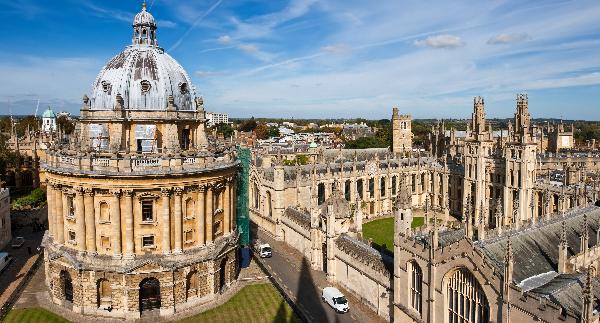
The “city of dreaming spires” (approx. 1 hour by train from London) rivals Cambridge in beauty and academic prestige. Must-sees include the Bodleian Library, Christ Church College (a Harry Potter filming location), and the Ashmolean Museum. Climb the University Church of St Mary the Virgin for a stunning view.
The Cotswolds & Stratford-upon-Avon
Renting a car is ideal for exploring this region. The Cotswolds is an Area of Outstanding Natural Beauty, characterized by rolling hills and honey-colored stone villages like Bourton-on-the-Water and Castle Combe. Nearby is Stratford-upon-Avon, the birthplace of William Shakespeare. Visit his birthplace, his wife Anne Hathaway’s Cottage, and catch a play by the Royal Shakespeare Company.
The North: Manchester & The Lake District
Manchester
Traveling north from London by train (approx. 2 hours), Manchester is a city of industry reinvented as a cultural powerhouse.
Attractions: The John Rylands Library, Science and Industry Museum, Manchester United football stadium tour (for sports fans), and the Northern Quarter for independent shops and street art.
Culture & Food: Manchester has a legendary music scene. Its food scene is also thriving, with a strong emphasis on modern British cuisine and international flavors in its Chinatown.
The Lake District
A train or bus from Manchester will take you into the heart of England’s most famous national park (approx. 1.5-2 hours). This is a region of breathtaking natural beauty, celebrated by poets like Wordsworth and Beatrix Potter.
Attractions: Take a cruise on Lake Windermere, hike up Catbells for spectacular views, visit Dove Cottage (Wordsworth’s home), and explore the Beatrix Potter Gallery in Hawkshead.
Accommodation: Charming B&Bs, country inns, and self-catering cottages are abundant in towns like Windermere, Ambleside, and Keswick.
Return to Scotland: Glasgow & The Scottish Highlands
Glasgow
A train from the Lake District or Manchester heads north to Glasgow (approx. 2-3 hours). Scotland’s largest city is known for its Victorian architecture, vibrant nightlife, and outstanding art collections.
Attractions: The Kelvingrove Art Gallery and Museum, Glasgow Cathedral and the Necropolis, and the stunning Charles Rennie Mackintosh-designed Glasgow School of Art (exterior viewing only due to fire damage).
Culture: Glasgow has a grittier, more contemporary feel compared to Edinburgh. It’s a UNESCO City of Music with a famously friendly local population.
The Scottish Highlands & Loch Ness
The best way to explore the Highlands is by joining a guided tour or self-driving from Glasgow or Edinburgh. The landscape transforms into one of vast glens, rugged mountains, and deep lochs.
The Route: A classic route goes through Glencoe, a valley of haunting beauty and tragic history, up to Fort William and the Ben Nevis range.
Loch Ness: Stop at this famous loch to look for “Nessie.” Visit Urquhart Castle for the best views over the water. The Loch Ness Centre & Exhibition offers a scientific look at the legend.
A Scottish Town: Stay overnight in a charming Highland town like Pitlochry or Fort Augustus to experience local hospitality.
The Final Leg: Return to Edinburgh
The journey from the Highlands back to Edinburgh completes the circle. The drive south takes you through more stunning scenery, perhaps via Perth or Stirling. Upon returning to Edinburgh, you have time for any last-minute souvenir shopping on Victoria Street or one final climb up Calton Hill for a farewell view of the city.
General Travel Tips for Britain
Transportation: For long-distance travel, book train tickets in advance for significant savings via sites like National Rail. Consider a BritRail Pass for flexibility. For regional travel, coaches (long-distance buses) are a cheaper but slower alternative.
Currency: The currency is the Pound Sterling (£). Credit and debit cards are widely accepted, but it’s always wise to have some cash for small purchases and rural areas.
Tipping: A service charge (10-12.5%) is often added to restaurant bills. If not, it’s customary to leave a similar amount. Tipping in pubs is not expected. For taxi drivers, round up the fare.
Weather: Be prepared for all four seasons in one day, especially in Scotland and the Lake District. A waterproof jacket is essential.
Accommodation: Book well in advance, especially during summer and major festivals. Options range from hostels and B&Bs to luxury hotels and self-catering cottages.
This grand tour offers an unparalleled journey through the heart of Great Britain, blending iconic cities with legendary landscapes and providing a deep immersion into the history and culture of England and Scotland.