A Grand Swiss Journey: From Zurich to Geneva
This comprehensive travel guide details a classic Swiss itinerary, traversing the country from its German-speaking economic hub to its French-speaking lakeside elegance. The route encompasses breathtaking Alpine scenery, charming medieval towns, and some of the most iconic railway journeys in the world. Travelers will experience the diverse cultural tapestry of Switzerland, sampling local cuisines and understanding the unique character of each region.
1. Zurich (Zürich)
Zurich, Switzerland’s largest city, is a global center for banking and finance, seamlessly blending a rich history with a vibrant, modern urban life. Situated at the northwestern end of Lake Zurich, the city offers a sophisticated yet welcoming introduction to the country.
Attractions & Activities
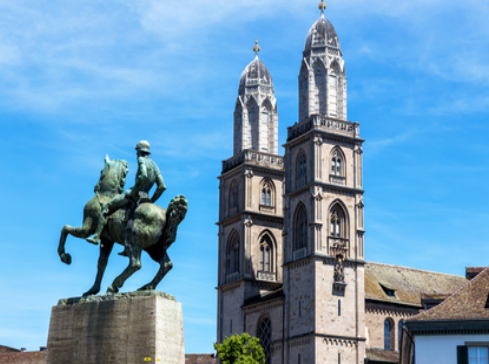
Old Town (Altstadt): Stroll through the winding, cobblestone streets on both sides of the Limmat River. Explore historical sites like the Romanesque Grossmünster church and the Fraumünster church, renowned for its stunning stained-glass windows by Marc Chagall.
Bahnhofstrasse: One of the world’s most exclusive shopping avenues, running from Zurich Main Station to Lake Zurich. It’s a paradise for luxury shoppers and window-browsers alike.
Lake Zurich (Zürichsee): Take a boat cruise to enjoy panoramic views of the city and the distant Alps, or relax along its promenades. In summer, the lakefront comes alive with swimmers and sunbathers.
Uetliberg Mountain: A short train ride takes you to the summit of Zurich’s “house mountain,” offering a spectacular lookout over the city, lake, and, on a clear day, the Alpine chain.
Swiss National Museum (Landesmuseum Zürich): Housed in a fairytale-like castle, this museum provides an excellent overview of Swiss cultural history.
Food & Drink
Zürcher Geschnetzeltes: The classic Zurich dish of sliced veal in a creamy white wine and mushroom sauce, typically served with Rösti.
Luxemburgerli: Delicate macarons from Confiserie Sprüngli, a Zurich institution.
Fondue: Many traditional restaurants, particularly in the Old Town, serve excellent cheese fondue.
Transportation & Accommodation
Zurich Airport (ZRH) is a major international hub. The city’s public transportation system (trams, buses, S-Bahn) is incredibly efficient. The Zurich Card offers unlimited travel and museum discounts. For accommodation, areas around the Main Station (Bahnhofstrasse, Niederdorf) are convenient, while the Enge and Seefeld districts offer a quieter, lakeside stay.
2. Lucerne (Luzern)
A short train ride from Zurich brings you to Lucerne, a picture-postcard city nestled at the foot of the mountains on the shores of Lake Lucerne. Its preserved medieval architecture and stunning setting make it a perennial favorite.
Attractions & Activities
Chapel Bridge (Kapellbrücke): This iconic 14th-century wooden footbridge, with its interior paintings depicting Lucerne’s history, is the city’s most famous landmark.
Old Town: Explore the colorful, car-free squares with their beautifully painted facades.
Lion Monument (Löwendenkmal): A poignant sculpture of a dying lion carved into a rock face, commemorating the Swiss Guards who died during the French Revolution.
Lake Lucerne (Vierwaldstättersee): A boat trip on the fjord-like lake is essential, offering views of towering mountains like Pilatus and Rigi.
Musegg Wall: A well-preserved section of the city’s medieval fortifications, which you can walk along for great views.
Food & Drink
Luzerner Chügelipastete: A vol-au-vent filled with diced meat and mushrooms in a creamy sauce.
Lake Fish:
Fresh fish from Lake Lucerne, such as Egli (perch), is a local specialty.
Transportation & Accommodation
Lucerne is a major transport hub for central Switzerland. The train station is centrally located, opposite the lake pier. Staying in or near the Old Town provides easy access to all major sights. Consider taking a day trip to nearby Mount Pilatus or Mount Rigi for unforgettable Alpine vistas.
3. Lake Brienz (Brienzersee) & Iseltwald
Traveling south from Lucerne, the landscape becomes increasingly dramatic as you enter the Bernese Oberland. Lake Brienz, with its stunning turquoise waters, is often considered one of Switzerland’s most beautiful lakes.
Attractions & Activities
Lake Brienz Cruise: A boat trip on the emerald-green lake is a serene experience, connecting the town of Interlaken with Brienz and offering views of waterfalls and traditional villages.
Iseltwald: A tiny, idyllic fishing village on the southern shore. Its picturesque peninsula with a small castle has gained fame and is a perfect spot for photos and a peaceful stroll. It’s a glimpse of traditional Swiss village life.
Giessbach Falls: Accessed via a funicular from the lake pier, these spectacular waterfalls cascade down in multiple tiers next to the historic Grand Hotel Giessbach.
Open-Air Museum Ballenberg: Located near Brienz, this vast museum showcases over 100 original Swiss buildings from different regions, offering a deep dive into rural Swiss history and crafts.
Transportation
The most scenic way to experience Lake Brienz is by boat. The BLS ships connect Interlaken Ost to Brienz. Iseltwald is accessible by boat, bus from Interlaken, or by car.
4. Interlaken
Situated between Lake Thun and Lake Brienz, Interlaken (meaning “between lakes”) is the adventure capital of the Bernese Oberland. It serves as the primary gateway for excursions into the surrounding Jungfrau region.
Attractions & Activities
Harder Kulm: Interlaken’s own viewpoint, accessible by a funicular. The “Two Lakes Bridge” viewing platform offers a stunning panorama of Interlaken, both lakes, and the mighty Eiger, Mönch, and Jungfrau peaks.
Adventure Sports: Interlaken is famous for skydiving, paragliding, canyon jumping, and white-water rafting.
Höhematte: A vast, central park perfect for relaxing with an unparalleled view of the mountains.
Food & Drink
While Interlaken itself has many international restaurants due to tourism, it’s a good place to try classic Swiss dishes like fondue and raclette in a traditional stube (tavern).
Accommodation
Interlaken offers a wide range of accommodations, from budget hostels to luxury hotels like the Victoria-Jungfrau. For a quieter experience, consider staying in surrounding villages like Unterseen or Wilderswil.
5. Jungfraujoch – Top of Europe
A journey to the Jungfraujoch is the undeniable highlight of any Swiss trip. At 3,454 meters (11,332 ft), it is the highest railway station in Europe and offers a breathtaking high-Alpine experience.
Attractions & Activities
Jungfrau Railway: The journey itself is spectacular. The cogwheel train climbs from Kleine Scheidegg through a tunnel inside the Eiger and Mönch mountains, with brief stops at viewing windows carved into the rock face.
Sphinx Observatory: The main viewing terrace provides a 360-degree panorama over the Aletsch Glacier (a UNESCO World Heritage site), and the surrounding peaks.
Ice Palace: A magical network of tunnels and sculptures carved deep into the glacier.
Alpine Sensation: An exhibition that celebrates the history and construction of the Jungfrau Railway.
Practical Tips
The journey starts from Interlaken Ost via Grindelwald or Lauterbrunnen. It is essential to book tickets in advance, especially during peak season. Check the weather forecast before going; a clear day is crucial for good visibility. Wear warm clothing and sunglasses, even in summer, as the sun and snow glare are intense at high altitude.
6. Bern
The federal capital of Switzerland, Bern is a UNESCO World Heritage site known for its impeccably preserved medieval old town, relaxed atmosphere, and bear pit.
Attractions & Activities
Old Town (Altstadt): Wander through the 6 kilometers of arcades (Lauben), which house shops, bars, and cafes. The Zytglogge, a medieval clock tower with an animated figurine show every hour, is a focal point.
Federal Palace (Bundeshaus): The seat of the Swiss government and parliament. Guided tours are available when parliament is not in session.
Bear Park (BärenPark): Bern’s heraldic animals reside in a modern, spacious enclosure along the Aare River.
Rose Garden (Rosengarten): A beautiful park overlooking the old town, offering one of the best photo opportunities in the city.
Aare River Swim: In summer, joining the locals for a swim in the turquoise waters of the Aare River is a quintessential Bernese experience (for strong swimmers only).
Food & Drink
Bernese Platte: A hearty dish of various meats like beef, pork, and sausages served with sauerkraut and beans.
Onion Market (Zibelemärit): If visiting on the fourth Monday of November, experience this unique festival where the city is transformed into a massive onion market.
Transportation
Bern’s compact old town is best explored on foot. The city is a major rail hub, making it easily accessible from anywhere in Switzerland.
The GoldenPass Line: Zweisimmen to Montreux
This segment of the journey is one of Switzerland’s most famous scenic train rides, taking you from the Bernese Oberland into the Vaud Alps and finally to the Swiss Riviera, with a dramatic change in landscape and culture.
The Route
Zweisimmen: A small town where you board the classic GoldenPass train from the Bernese Oberland region.
The Journey: The train passes through lush valleys, traditional villages like Gstaad (a glamorous ski resort), and over the Col de Mosses pass. The architecture begins to change from classic Swiss chalets to Vaud-style houses with continuous balconies.
Arrival in Montreux: The descent into Montreux is stunning, as the train winds down towards Lake Geneva (Lac Léman), revealing vineyards and a distinctly Mediterranean feel.
Practical Tips
Reservations are recommended for the panoramic cars. The journey can be done in segments or as one continuous trip from Interlaken to Montreux via Zweisimmen.
7. Montreux
Sheltered by towering mountains on the eastern shore of Lake Geneva, Montreux enjoys a famously mild climate. It is known for its jazz festival, beautiful lakeside promenade, and connection to Freddie Mercury.
Attractions & Activities
Chillon Castle (Château de Chillon): A stunning island castle that seems to float on the lake. It is one of Switzerland’s most visited historic sites.
Montreux Lakeside Promenade: Lined with flowers, palm trees, sculptures, and Belle Époque buildings, it’s perfect for a leisurely walk or bike ride.
Freddie Mercury Statue: A tribute to the Queen frontman who loved Montreux and recorded several albums here.
Rochers-de-Naye: A mountain peak accessible by cogwheel railway offering spectacular views over Lake Geneva and the Alps. It also features a marmot sanctuary and a alpine garden.
Montreux Jazz Festival: If visiting in early July, this world-famous festival takes over the town.
Cuisine
The region is part of the Lavaux wine region. Sample local white wines like Chasselas. The food has a distinct French influence, with freshwater fish from the lake being a specialty.
The Lake Geneva Region: Lausanne & Evian-les-Bains
8. Lausanne
A vibrant city built on three hills, Lausanne is the Olympic Capital and home to a dynamic student population. It boasts a magnificent Gothic cathedral and a lively old town.
Attractions: The Olympic Museum is a world-class interactive experience. The Cathédrale Notre-Dame offers superb views from its tower. The Collection de l’Art Brut showcases “outsider art.” The Ouchy lakeside district is perfect for a stroll.
Cuisine: The city is packed with cafes and restaurants. Try perch fillets from the lake or local sausages.
A Day Trip to Evian-les-Bains
A short and scenic boat ride across Lake Geneva from Lausanne brings you to France and the elegant spa town of Evian-les-Bains.
Attractions: Stroll along the beautiful promenade, visit the Source Cachat where you can fill your bottle with famous Evian water for free, and admire the Belle Époque architecture. The Palais Lumière is a notable cultural center.
Cuisine: Enjoy classic French cuisine in one of the town’s many bistros.
Practicalities:A valid passport or Schengen visa is required to cross into France. The boat trip itself is a delightful experience.
The Final Stop: Geneva (Genève)
A truly global city, hosting the European headquarters of the United Nations and the Red Cross, Geneva is known for its diplomacy, luxury watches, and beautiful setting on Lake Geneva where the Jet d’Eau fountain soars into the sky.