A Comprehensive Travel Guide: A Grand Tour of Britain from Glasgow to the Lake District
This guide outlines a classic and immersive circuit of Britain, starting and ending in Glasgow. This route is designed to showcase the dramatic contrasts of the United Kingdom, from the wild Scottish Highlands and historic cities to the prestigious university towns and rolling countryside of England. It covers practical information on attractions, food, transport, and accommodation to help travelers plan their perfect British adventure.
Glasgow: The Gateway to Scotland
Glasgow, Scotland’s largest city, serves as a vibrant and often underrated starting point. It is a city renowned for its Victorian architecture, world-class art collections, and vibrant music scene, offering a more gritty and authentic counterpoint to the capital, Edinburgh.
Attractions: The Kelvingrove Art Gallery and Museum is a must-see, housing an astonishingly diverse collection from Old Masters to a Spitfire plane. The Glasgow Cathedral and the adjacent Necropolis provide a hauntingly beautiful historical perspective. For a taste of the city’s architectural genius, explore the designs of Charles Rennie Mackintosh, notably at the Glasgow School of Art and the Willow Tearooms.
Food & Drink: Glasgow boasts an excellent food scene. Sample traditional Scottish fare like haggis, neeps, and tatties in a classic pub. For a more contemporary experience, the Finnieston area is packed with trendy restaurants and bars. Don’t forget to try a dram of local single malt whisky.
Transportation: Glasgow is well-connected by air (Glasgow Airport and Prestwick Airport) and rail from other UK cities. The city center is very walkable, with an efficient subway system for longer distances.
Accommodation: Options range from luxury hotels like the Blythswood Square to boutique guesthouses in the West End and budget-friendly hostels in the city center.
The Scottish Highlands & Loch Ness
Journey north from Glasgow into the heart of the Scottish Highlands, a land of breathtaking landscapes, deep lochs, and ancient legends. This part of the trip is best experienced by car or coach tour for maximum flexibility.
Attractions: The route typically passes through the stunning Loch Lomond and The Trossachs National Park before heading into the wilder terrain of Glen Coe, a valley famous for its dramatic, melancholic beauty. The highlight for many is Loch Ness, home to the legendary monster “Nessie.” Visitors can take a boat cruise on the loch and explore the ruins of Urquhart Castle.
Food & Drink: Highland pubs offer hearty meals—look for venison stew, fresh salmon, and Cullen Skink (a smoked haddock chowder). Whisky distilleries are plentiful; a tour of one like Glenfiddich or Dalwhinnie offers insight into Scotland’s national drink.
Transportation: Driving allows for stops at scenic viewpoints. Alternatively, organized coach tours from Glasgow or Edinburgh handle all logistics. Train travel is scenic but less flexible for reaching remote lochs.
Accommodation: Stay in a charming bed and breakfast in a Highland town like Fort Augustus or Inverness, or opt for a remote lodge for a true escape.
Scottish Towns & Edinburgh
After the Highlands, the route often descends through picturesque Scottish towns like Pitlochry or St. Andrews before arriving in Edinburgh, Scotland’s majestic capital.
Scottish Towns: These towns offer a glimpse into quieter Scottish life. Pitlochry is a lovely Victorian resort town known for its whisky and salmon ladder, while St. Andrews is famous for its historic university and being the “Home of Golf.”
Edinburgh Attractions: Dominated by its castle atop an extinct volcano, Edinburgh is a city of history and culture. Explore the Royal Mile, which connects Edinburgh Castle to the Palace of Holyroodhouse. Hike up Arthur’s Seat for panoramic city views. The city is also world-famous for its annual Edinburgh Festival Fringe.
Food & Drink: Edinburgh’s food scene is cosmopolitan. Enjoy afternoon tea, sample modern Scottish cuisine, or visit the pubs along the Grassmarket. For a true local experience, try haggis from a reputable butcher.
Transportation: Edinburgh is easily walkable, though hilly. It has excellent bus services and a train station (Waverley) with direct links to London and other major cities.
Accommodation: Stay in a historic hotel on Princes Street, a cozy guesthouse in the New Town, or a budget-friendly hostel near the Royal Mile.
York: A Journey Through English History
Traveling south from Scotland into England, the historic city of York is a quintessential stop. Its remarkably preserved medieval core tells 2,000 years of history, from Roman and Viking settlers to its importance in the Middle Ages.
Attractions: York Minster is one of the world’s most magnificent cathedrals. Walk the ancient Roman walls encircling the city center and get lost in The Shambles, a narrow, overhanging medieval street often cited as the inspiration for Diagon Alley. The Jorvik Viking Centre offers an immersive look into the city’s Norse past.
Food & Drink: York is famous for its chocolate heritage. Enjoy a cream tea in one of many traditional tearooms. The pubs in York are historic and atmospheric, perfect for a pint of local ale.
Transportation: York is a major stop on the East Coast Main Line, making it easily accessible by train from Edinburgh and London. The city center is compact and best explored on foot.
Accommodation: Choose from charming guesthouses within the city walls, boutique hotels, or modern chain hotels near the station.
Cambridge: Punting on the Cam
Cambridge is synonymous with its world-famous university. The city’s atmosphere is defined by its beautiful college buildings, lush gardens, and tranquil river.
Attractions: The main activity is exploring the historic university colleges, including King’s College with its breathtaking chapel and Trinity College. A quintessential Cambridge experience is punting on the River Cam, gliding past the “Backs” – the beautiful gardens and rear views of the colleges.
Food & Drink: The city has a vibrant market square and numerous cafes. Many historic pubs are frequented by students and academics alike.
Transportation: Cambridge is easily reached by train from London (King’s Cross) and York. The city center is very walkable and also bicycle-friendly.
Accommodation: Options include university rooms available for rent during vacations, boutique hotels, and B&Bs.
London: The World in a City
London, the vast and dynamic capital of England, requires several days to even scratch the surface. It’s a global hub of culture, history, finance, and entertainment.
Attractions: The list is endless: the Tower of London, Buckingham Palace, the Houses of Parliament and Big Ben, the British Museum, the National Gallery, Tate Modern, Westminster Abbey, and the London Eye. Exploring distinct neighborhoods like Soho, Covent Garden, Notting Hill, and Camden Town is highly recommended.
Food & Drink: London’s food scene is arguably the most diverse in the world. Enjoy everything from street food markets like Borough Market to Michelin-starred restaurants. Don’t miss a classic Sunday roast in a traditional pub or an Indian curry on Brick Lane.
Transportation: London’s Underground (“the Tube”) is the most efficient way to travel across the city. The Oyster card or contactless payment is essential. The city also has an extensive bus network.
Accommodation: Choices range from luxury hotels in Mayfair to budget chains scattered throughout the city. Consider location near a Tube station for convenience.
Windsor & Oxford: Royalty and Academia
A day trip or short stop west of London brings you to two iconic English towns.
Windsor: The primary attraction is Windsor Castle, the oldest and largest inhabited castle in the world and an official residence of His Majesty The King. Watching the Changing of the Guard is a popular spectacle.
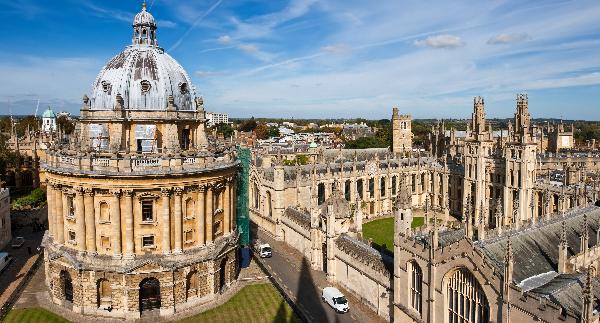
Oxford: Rivaling Cambridge, Oxford’s “dreaming spires” create an awe-inspiring skyline. Visit the Bodleian Library, Christ Church College (a filming location for Harry Potter), and climb St Mary’s Church tower for a stunning view. The atmosphere here is often described as more bustling and industrial than Cambridge.
Transportation: Both Windsor and Oxford are easily accessible by train from London Paddington or Waterloo stations. They can be visited separately or combined on a tour.
The Cotswolds & Shakespeare’s Stratford
Venturing into the English countryside, the Cotswolds region is an Area of Outstanding Natural Beauty characterized by rolling hills, honey-colored limestone villages, and peaceful farmland.
Attractions: Explore idyllic villages such as Bourton-on-the-Water (the “Venice of the Cotswolds”), Stow-on-the-Wold, and Bibury. Nearby is Stratford-upon-Avon, the birthplace of William Shakespeare. Visitors can tour his birthplace house, see a play at the Royal Shakespeare Theatre, and visit Anne Hathaway’s Cottage.
Food & Drink: Enjoy a meal in a traditional country pub with a log fire. The region is known for local produce like cheese and lamb.
Transportation: Having a car is ideal for exploring the Cotswolds’ villages at your own pace. Alternatively, trains run to Stratford-upon-Avon and larger towns like Moreton-in-Marsh, with local bus services connecting villages.
Accommodation: Stay in a charming coaching inn, a luxurious country house hotel, or a cozy bed and breakfast in one of the villages.
Manchester: The Industrial Powerhouse
Heading north into Northwest England, Manchester offers a stark contrast to the rural Cotswolds. This city was at the heart of the Industrial Revolution and has reinvented itself as a major cultural and sporting hub.
Attractions: Learn about the city’s history at the Science and Industry Museum. Explore its vibrant music heritage in the Northern Quarter. For football fans, a tour of either Old Trafford (Manchester United) or the Etihad Stadium (Manchester City) is essential.
Food & Drink: Manchester has a thriving food scene, with everything from high-end dining to the famous Curry Mile in Rusholme, offering a dense concentration of South Asian restaurants.
Transportation: Manchester is a major transport hub with excellent rail and road links. Manchester Airport has international connections. The city center is compact and walkable with a modern tram system.
The Lake District: Poetic Landscapes
A journey into Cumbria reveals the Lake District National Park, England’s largest national park and a UNESCO World Heritage Site. It is celebrated for its glacial lakes, rugged fell mountains, and literary associations with poets like Wordsworth and Beatrix Potter.
Attractions: Take a cruise on Lake Windermere, England’s largest lake. Hike up Catbells for relatively accessible but stunning views or challenge yourself with Scafell Pike, England’s highest mountain. Visit Dove Cottage, Wordsworth’s home in Grasmere, or Hill Top, Beatrix Potter’s farmhouse.
Food & Drink: Try traditional Cumberland sausage and sample sticky gingerbread from Grasmere. Cosy up in a traditional Lakeland pub after a long day of walking.
Transportation:A car provides the most freedom to explore remote valleys. However, the main towns like Windermere, Ambleside, and Keswick are connected by buses and trains.
Accommodation: Options are plentiful, from hotels in Bowness-on-Windermere to charming guesthouses in smaller villages and remote self-catering cottages.
The Return to Glasgow
The final leg of the journey takes you from the tranquil Lakes back north across the border into Scotland, completing the circuit back to Glasgow. The drive itself through southern Scotland offers beautiful, often overlooked scenery before arriving back in the bustling heart of Scotland.
Culminating Cultural Insights
This grand tour showcases the immense diversity of Britain. Travelers experience Scotland’s proud national identity and Gaelic influences, contrasted with England’s layered history from Roman times to the modern day. They move from wild, sparsely populated landscapes to some of the world’s most densely populated urban centers. A key insight is that Britain is not a monolith; each region possesses a strong sense of local pride, unique dialects, culinary specialties, and cultural touchstones. Embracing these differences—whether raising a pint in a London pub, a dram in a Highland bothy, or a cuppa in a Cotswold tearoom—is at the heart of the journey.
A Note on Practical Itinerary Planning
The route described covers a significant distance. Travelers should allocate a minimum of two to three weeks to complete it comfortably without feeling rushed. The most flexible mode of transport for this itinerary is by car, allowing for spontaneous stops in the countryside. However, Britain’s extensive rail network makes this journey feasible by train, especially when combined with local tours for areas like the Highlands and Cotswolds. A mix of both—for example, taking trains between major cities and renting a car for rural exploration—can be an ideal solution.
The best time to travel is during the late spring (May-June) or early autumn (September) when the weather is generally mildest and tourist crowds are smaller than in the peak summer months of July and August.
A journey following this circuit provides a profound and unforgettable understanding of Britain’s rich tapestry of history, culture, and breathtaking natural beauty.