Egypt Travel Guide: Cairo to Alexandria and Back
This guide provides a comprehensive overview for travelers planning a journey from Cairo to Alexandria and back, covering historical sites, cultural insights, practical tips, and itinerary suggestions. Explore the vibrant capital and the Mediterranean gem on this classic Egyptian route.
Introduction to the Cairo-Alexandria Route
The journey from Cairo to Alexandria spans approximately 220 kilometers (137 miles) and connects Egypt’s bustling capital with its historic Mediterranean port city. This route has been traveled for centuries, linking the Nile Valley to the coast. The trip typically takes 2-3 hours by car or bus, offering views of the Nile Delta’s agricultural landscapes and desert outskirts. Alexandria, founded by Alexander the Great in 331 BCE, serves as a cultural hub with Greco-Roman influences, while Cairo embodies ancient Pharaonic and Islamic heritage. This guide covers both cities and the transit between them, focusing on objective descriptions and practical information for a seamless experience.
Key Highlights: The Pyramids of Giza, Egyptian Museum, Khan el-Khalili Bazaar in Cairo; Bibliotheca Alexandrina, Citadel of Qaitbay, Montaza Palace in Alexandria; and the scenic drive along the desert road.
Cairo: The Capital of Egypt
Cairo, located on the banks of the Nile River, is one of the largest cities in Africa and the Middle East. It serves as Egypt’s political, cultural, and economic center, with a history dating back to the Pharaonic era. The city is a blend of ancient monuments, Islamic architecture, and modern urban life. Key districts include Downtown Cairo, Islamic Cairo, and Giza (home to the pyramids).
Top Attractions in Cairo
Giza Pyramid Complex: Located on the Giza Plateau, this UNESCO World Heritage site includes the Great Pyramid of Khufu (one of the Seven Wonders of the Ancient World), the Pyramid of Khafre, the Pyramid of Menkaure, and the Great Sphinx. The complex dates to the Old Kingdom (c. 2580–2560 BCE). Visitors can explore the exterior and interior of the pyramids (additional tickets required for entry). Sound and light shows are held in the evenings.
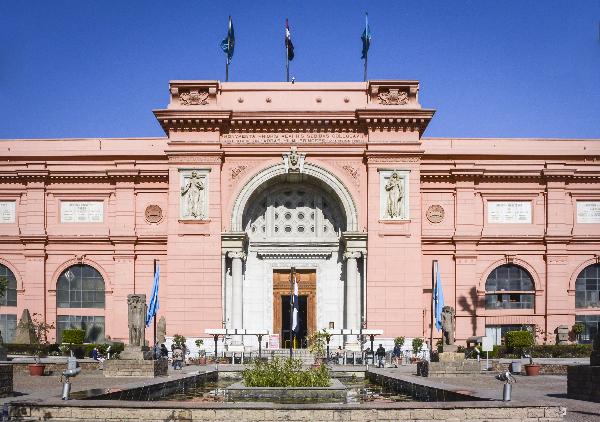
Egyptian Museum: Situated in Tahrir Square, this museum houses over 120,000 artifacts, including treasures from Tutankhamun’s tomb. The collection spans from the Predynastic Period to the Greco-Roman era. Note: Many items are being relocated to the new Grand Egyptian Museum (GEM) near Giza, so check for updates before visiting.
Khan el-Khalili Bazaar: A historic market in Islamic Cairo, established in the 14th century. It offers souvenirs, spices, jewelry, and traditional crafts. The area includes notable sites like Al-Hussein Mosque and Al-Azhar Mosque.
Citadel of Saladin: A medieval Islamic fortification built in the 12th century. It features the Muhammad Ali Mosque (Alabaster Mosque), which offers panoramic views of Cairo.
Coptic Cairo: Home to early Christian sites such as the Hanging Church (Saint Virgin Mary’s Coptic Orthodox Church), the Coptic Museum, and the Ben Ezra Synagogue.
Nile River Cruises: Evening felucca (sailboat) rides or dinner cruises provide a scenic perspective of the city.
Practical Information for Cairo
Getting Around: Cairo has a metro system, buses, taxis, and ride-hailing services like Uber and Careem. Traffic can be heavy, so plan for delays. The metro is efficient for avoiding congestion.
Accommodation: Options range from budget hostels in Downtown Cairo to luxury hotels in Zamalek or near the pyramids. Average prices: Budget ($20-50/night), Mid-range ($50-150/night), Luxury ($150+/night).
Dining: Try local dishes such as koshari (a mix of rice, lentils, and pasta), ful medames (fava beans), and taameya (Egyptian falafel). Popular restaurants include Abou Tarek for koshari and El Fishawy Café in Khan el-Khalili.
Shopping: Khan el-Khalili is ideal for souvenirs; bargaining is expected. Malls like City Stars offer modern shopping.
Safety: Cairo is generally safe for tourists, but be cautious of pickpocketing in crowded areas. Follow local customs, such as dressing modestly.
Tip: Visit the pyramids early in the morning to avoid crowds and heat. Hire a licensed guide for historical context.
| Attraction | Location | Entry Fee (Approx.) | Opening Hours |
|---|---|---|---|
| Giza Pyramids | Giza Plateau | $10-20 (varies by area) | 8:00 AM – 5:00 PM |
| Egyptian Museum | Tahrir Square | $10 | 9:00 AM – 5:00 PM |
| Khan el-Khalili | Islamic Cairo | Free (shops vary) | 9:00 AM – 11:00 PM |
| Citadel of Saladin | Mokattam Hill | $8 | 9:00 AM – 4:00 PM |
Traveling from Cairo to Alexandria
The journey from Cairo to Alexandria can be made by road or rail, with multiple options for comfort and budget. The distance is about 220 km (137 miles), and travel time ranges from 2 to 4 hours depending on the mode of transport and traffic conditions.
Transportation Options
By Car: Renting a car or using a private taxi offers flexibility. The desert road (Route 11) is the most direct, while the agricultural road (Route 1) passes through rural areas. Toll fees may apply. Cost: $50-100 for a private taxi.
By Bus: Companies like Go Bus and Super Jet operate frequent services from Cairo stations (e.g., Torgoman Station) to Alexandria (Sidi Gaber or Moharam Bek stations). Buses are air-conditioned and affordable. Travel time: 3-4 hours. Cost: $5-15.
By Train: Egyptian National Railways runs trains from Cairo Ramses Station to Alexandria Station. Options include Spanish-built express trains (faster) and older trains. Travel time: 2.5-4 hours. Cost: $5-20 for standard or first-class seats.
By Flight: Domestic flights are available from Cairo International Airport (CAI) to Borg El Arab Airport (HBE) in Alexandria, but this is less common for such a short distance. Flight time: 1 hour; total trip time with airport transit may be longer than by road.
Route Description
The desert road (Route 11) is a modern highway that cuts through arid landscapes, with rest stops and petrol stations along the way. The agricultural road (Route 1) offers views of the Nile Delta’s farms and villages but can be slower due to local traffic. Both routes are generally well-maintained.
Tip: Book bus or train tickets in advance, especially during holidays. For trains, opt for first-class for more comfort.
| Mode | Duration | Cost (Approx.) | Pros | Cons |
|---|---|---|---|---|
| Car/Taxi | 2-3 hours | $50-100 | Flexible, direct | Traffic, tolls |
| Bus | 3-4 hours | $5-15 | Affordable, frequent | Can be crowded |
| Train | 2.5-4 hours | $5-20 | Scenic, comfortable | Schedule delays possible |
| Flight | 1 hour (plus transit) | $50-150 | Fast | Airport hassle, less eco-friendly |
Alexandria: The Mediterranean Jewel
Alexandria, founded in 331 BCE by Alexander the Great, is Egypt’s second-largest city and a major port on the Mediterranean Sea. It was a center of Hellenistic civilization and home to the ancient Library of Alexandria and the Pharos Lighthouse (one of the Seven Wonders). Today, it blends Greco-Roman history with a laid-back coastal vibe. Key areas include the Corniche (waterfront), downtown, and historic sites.
Top Attractions in Alexandria
Bibliotheca Alexandrina: A modern library and cultural center inaugurated in 2002, commemorating the ancient Library of Alexandria. It houses millions of books, museums, and exhibition spaces. Architecture is notable for its circular design.
Citadel of Qaitbay: A 15th-century fortress built on the site of the ancient Pharos Lighthouse. It offers views of the Mediterranean and houses a naval museum.
Montaza Palace: A former royal palace set in extensive gardens along the sea. The grounds are open to the public for leisurely walks.
Kom el-Shouqafa Catacombs: A Roman-era burial site discovered in 1900, featuring a blend of Egyptian, Greek, and Roman artistic styles.
Pompey’s Pillar: A Roman triumphal column dating to 297 CE, located in the Serapeum temple complex.
Alexandria National Museum: Showcases artifacts from Pharaonic, Greco-Roman, Coptic, and Islamic periods, providing an overview of the city’s history.
Corniche: A scenic waterfront promenade stretching along the Eastern Harbor, ideal for strolls and enjoying sea views.
Royal Jewelry Museum: Housed in a former palace, it displays jewelry and artifacts from Egypt’s royal family.
Practical Information for Alexandria
Getting Around: Alexandria has a tram system (the oldest in Africa), taxis, and buses. The Corniche is walkable, but taxis are convenient for longer distances.
Accommodation: Options range from budget hotels in downtown to upscale resorts along the coast. Average prices: Budget ($15-40/night), Mid-range ($40-120/night), Luxury ($120+/night).
Dining: Seafood is a highlight; try grilled fish at restaurants like Fish Market or Zephyrion. Also sample local street food like fiteer (Egyptian pastry).
Shopping:
Souvenirs can be found at markets like Attarine; modern malls include San Stefano Grand Plaza.