Comprehensive Travel Guide: A Grand Tour of Great Britain
This guide details a classic and extensive circuit of Great Britain, taking you from the bustling capital of London, through the historic university cities and picturesque countryside of England, into the dramatic landscapes of the Scottish Highlands, and finally along the stunning southern coastline.
Part 1: London – The Capital Commencement
Your journey begins in London, a global hub of history, culture, and modernity.
Key Attractions:
The British Museum: Home to a vast collection of world art and artifacts, including the Rosetta Stone and the Parthenon Marbles. Free entry; closed December 24-26.
Buckingham Palace: The official London residence of the monarch. Don’t miss the iconic Changing of the Guard ceremony. Check the official schedule for ceremony times.
Houses of Parliament & Big Ben: The seat of the UK government. The Elizabeth Tower (commonly known as Big Ben) is an iconic symbol of London.
Tower of London: A historic castle on the north bank of the River Thames. Explore its history as a palace, prison, and armory, and see the Crown Jewels. Book tickets online in advance to avoid queues.
Tower Bridge: The famous bascule and suspension bridge near the Tower of London. You can walk across it for free or purchase a ticket to explore the Victorian Engine Rooms and walk along the high-level glass walkways.
The West End: Catch a world-class theatre performance in London’s entertainment district.
Practical Information:
Getting Around: Use the London Underground (“the Tube”), buses, or walk. An Oyster card or contactless payment card is the most efficient way to pay for transport.
Accommodation: Options range from hostels in Kensington to luxury hotels in Mayfair. Book well ahead for the best rates.
Food: Explore Borough Market for gourmet foods, enjoy a classic pub lunch, or experience the city’s diverse international cuisine.
Part 2: Windsor & Oxford – Royalty and Academia
A short trip west of London leads to two of England’s most famous landmarks.
Windsor
Windsor Castle: The oldest and largest inhabited castle in the world. It is an official residence of His Majesty The King. St. George’s Chapel within the grounds is a fine example of Gothic architecture and the burial place of ten monarchs, including Queen Elizabeth II. Allow at least 2-3 hours for a visit. Check the royal schedule as the castle may be closed during state visits.
Oxford
Known as the “City of Dreaming Spires,” Oxford is home to the world-renowned University of Oxford.
Bodleian Library: One of the oldest libraries in Europe. Guided tours are available.
Christ Church College: Famous for its grand dining hall (a inspiration for Hogwarts in the Harry Potter films) and its cathedral.
Radcliffe Camera: A stunning circular library and one of Oxford’s most photographed buildings.
Travel Tip: Windsor and Oxford can be visited as a day trip from London by train. Consider combining them on a guided tour for convenience.
Part 3: The Lake District & The Journey North
Travel north into Cumbria to experience England’s largest National Park.
Windermere & Bowness-on-Windermere
Windermere is the largest natural lake in England. The towns of Windermere and Bowness-on-Windermere are popular bases.
Lake Cruises: Take a scenic boat trip across the lake to Ambleside or Lakeside.
Beatrix Potter’s Hill Top: Visit the 17th-century farmhouse where the beloved author wrote and drew many of her famous tales. Booking essential for this National Trust property.
Hiking: Countless walking trails offer breathtaking views, from gentle lakeside strolls to challenging climbs like Old Man of Coniston.
Practical Information: The best way to explore the Lakes is by car, but local buses and boats connect the main towns and sights.
Part 4: The Scottish Highlands – A Wilderness Adventure
Crossing into Scotland, the landscape becomes increasingly dramatic and wild.
The A82 Road & Glencoe
The A82 is one of the most scenic drives in the world, winding through epic landscapes.
Glencoe Valley: A deeply atmospheric and hauntingly beautiful valley, known for its tragic history (the Massacre of Glencoe in 1692) and its stunning volcanic ridges. Stop at the Glencoe Lochan for a peaceful walk or visit the Glencoe Visitor Centre for insights into its natural and cultural history.
Loch Ness & Urquhart Castle
Continue north to the famous Loch Ness.
Loch Ness: Famous for its legendary monster, “Nessie.” The loch itself is vast, deep, and mysterious. Consider a boat cruise to appreciate its scale.
Urquhart Castle: Situated on a headland overlooking Loch Ness, these picturesque ruins offer a glimpse into Scotland’s turbulent past and provide fantastic photo opportunities. The visitor centre has an excellent exhibition and film.
Accommodation: Stay in Fort Augustus or Inverness, the capital of the Highlands.
Part 5: Edinburgh – The Athenian North
Travel east to Scotland’s majestic capital city.
Key Attractions:
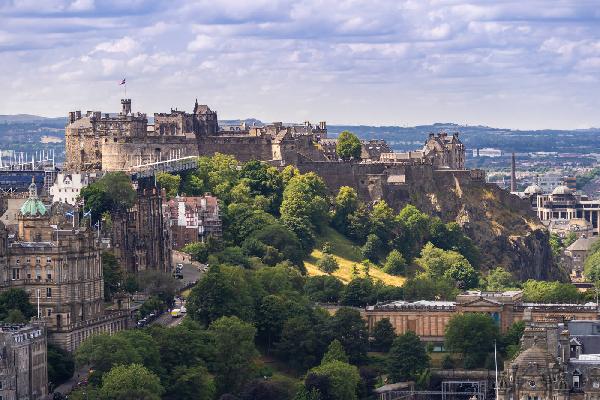
Edinburgh Castle: Dominating the city skyline from Castle Rock. Highlights include the Crown Jewels of Scotland, the Stone of Destiny, and Mons Meg. Book tickets online well in advance, especially during the Edinburgh Festival.
The Royal Mile: The historic street connecting Edinburgh Castle to the Palace of Holyroodhouse. It’s lined with shops, pubs, and closes (narrow alleyways) to explore.
Palace of Holyroodhouse: The King’s official residence in Scotland. Tour the historic apartments and walk amidst the ruins of Holyrood Abbey.
Arthur’s Seat: An ancient volcano in Holyrood Park offering a rewarding hike and panoramic views over the city.
Practical Information:
Festival Time: August is the Edinburgh Festival Fringe, the world’s largest arts festival. The city is incredibly busy but vibrant.
Getting Around:The city centre is very walkable, but there are also good bus services.
Part 6: York & Warwick – Medieval Marvels
Heading back into England, you encounter two cities steeped in medieval history.
York
A beautifully preserved walled city.
York Minster: One of the world’s most magnificent cathedrals. Climb the Central Tower for incredible views.
The Shambles:A crooked, medieval street often cited as inspiration for Diagon Alley from Harry Potter.
York City Walls: Walk along these extensive and well-preserved fortifications for a unique perspective on the city.
National Railway Museum:A free museum housing a world-class collection of historic trains.
Warwick Castle
A magnificent medieval castle developed from a wooden fort built by William the Conqueror. It offers a highly immersive historical experience with shows, dungeons, and beautifully maintained grounds.
A great day out for families; pre-booking is recommended.
Part 7: Cambridge – Another University Gem
Returning southeast, visit Cambridge, rival to Oxford.
King’s College Chapel: An architectural masterpiece with a breathtaking fan-vaulted ceiling and stained-glass windows.
Punting on the River Cam:A classic Cambridge activity. Glide past the “Backs” – the beautiful gardens and grounds of the colleges lining the river. You can punt yourself or hire a chauffeur.
The Fitzwilliam Museum:A superb art and antiquities museum with free entry.
Part 8: Southern England Coast & Countryside
The final leg explores the dramatic coastline and historic sites of southern England.
The South Coast Circuit
Seven Sisters Country Park: Experience the stunning white chalk cliffs that rival those of Dover. A walk from Seaford to Eastbourne over the Seven Sisters is a classic hike.
Brighton:A vibrant, quirky seaside city. Visit the Royal Pavilion, walk along Brighton Palace Pier, and explore The Lanes’ narrow alleyways filled with independent shops.
Stonehenge:The world-famous prehistoric monument on Salisbury Plain. Its purpose remains a mystery. Book a timed ticket in advance. The visitor centre is excellent.
Bath:A UNESCO World Heritage site famed for its Roman-built baths and stunning Georgian architecture, including the Royal Crescent. Visit the Roman Baths and Bath Abbey.
The Cornish Peninsula:
St Ives:A picturesque fishing town with beautiful beaches, a Tate gallery, and narrow cobbled streets. Parking is difficult; use the park-and-ride service.
Land’s End:The most westerly point of mainland England. A dramatic cliff-top location with signpost indicating distances to various global cities.
The Jurassic Coast (Durdle Door & Bournemouth):
Durdle Door: Perhaps England’s most famous natural landmark – a magnificent limestone arch stretching into the sea. Part of the Jurassic Coast World Heritage Site.
Bournemouth Pier:A classic Victorian pier in a popular seaside resort with seven miles of sandy beaches.
Trip Summary & Practical Tips
Duration: This extensive itinerary is best undertaken over a period of 3-4 weeks to fully appreciate each location without being rushed.
Transportation:
Train: Excellent for connecting cities like London, Oxford, York, Edinburgh, and Cambridge. Book train tickets in advance for the best fares.
Car Rental: Essential for exploring rural areas with flexibility, such as the Lake District, Scottish Highlands, and the South Coast. Remember to drive on the left.
Tours: Many companies offer guided coach tours covering specific regions like Scotland or Cornwall, which can simplify logistics.
Accommodation:A mix of city hotels, country inns, and guesthouses (B&Bs). Book accommodation well in advance, especially in popular areas during peak season (July-August).
Weather & Clothing:The UK weather is famously changeable. Pack layers, a waterproof jacket, and comfortable walking shoes regardless of the season.