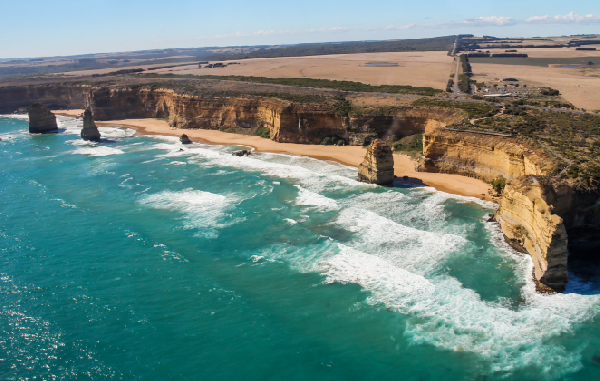
A Journey Through South-Eastern Australia: Melbourne to Sydney via Albury, Canberra, and the Blue Mountains
This comprehensive travel guide details a classic Australian road trip or train journey, traversing the diverse landscapes and cultures of the country’s south-eastern corner. From the European-style laneways of Melbourne to the raw power of the Blue Mountains, this route offers a profound insight into Australia’s urban energy, political heart, and ancient natural world.
Part 1: Melbourne – The Cultural Capital
Melbourne is a city of contrasts, where Victorian-era architecture stands alongside bold modern designs, and a vibrant arts scene is complemented by a world-famous coffee culture. Begin your exploration in the city’s heart.
Key Attractions
Federation Square: The city’s modern cultural hub, housing the Ian Potter Centre: NGV Australia and the Australian Centre for the Moving Image (ACMI). Its avant-garde architecture is a sight in itself.
Hosier Lane: The epicenter of Melbourne’s street art. The ever-changing graffiti and stencil art make every visit unique. Visit early in the day to avoid the crowds.
Queen Victoria Market: A historic open-air market spanning two city blocks. It’s a place to shop for local produce, artisan goods, souvenirs, and enjoy classic market food like hot doughnuts.
Royal Botanic Gardens: A stunning 38-hectare oasis near the city center. Perfect for a peaceful stroll, a picnic, or taking one of their Aboriginal Heritage Tours to learn about the traditional uses of plants.
Melbourne Cricket Ground (MCG) Tour: Even for non-sports fans, a tour of this hallowed sporting ground is a deep dive into Australian culture. If your visit coincides with an Australian Rules Football match, it’s an unmissable, high-energy experience.
Food & Drink
Melbourne’s food scene is legendary. Do not leave without:
Exploring the Laneway Cafés: Order a “flat white” – a creamy coffee staple invented in Australia/New Zealand. Degraves Street and Hardware Lane are famous starting points.
Dining in Chinatown: Located on Little Bourke Street, it offers some of the best and most authentic Asian cuisine in the country.
Trying a “Magic”: A Melbourne coffee-shop secret – a double ristretto in a 3/4 latte cup. It’s the locals’ preferred strong but smooth coffee.
Transportation & Travel Tips
- The city center is very walkable. For longer distances, the tram network is excellent and free within the CBD Free Tram Zone.
- Consider purchasing a myki card for seamless travel on trams, trains, and buses outside the free zone.
Insider Tip: For a unique city view, head to the Rooftop Bar at Curtin House or visit the Eureka Skydeck 88 for a panoramic perspective.
Part 2: Melbourne to Albury – The Journey Inland
The journey from Melbourne to Albury marks the transition from coastal Victoria to the inland riverina region. The most scenic and comfortable way to make this trip is aboard the
NSW TrainLink XPT service or by car via the Hume Highway.
The Experience
As you leave Melbourne’s suburbs, the landscape transforms into rolling green hills, which gradually give way to drier, flatter plains dotted with farms and classic Australian eucalyptus trees. The train journey is particularly relaxing, offering uninterrupted views of the changing scenery.
Albury: A Riverside Stopover
Albury, situated on the mighty Murray River, is a perfect halfway point to break your journey. It’s more of a relaxed stop than a major tourist destination.
Murray River: Take a stroll along the riverbank, or for a more active break, hire a kayak or paddleboat.
Botanic Gardens: Albury’s beautiful gardens are a lovely spot for a picnic.
Food Tip: Grab a meal at one of the pubs or cafés on Dean Street, the main thoroughfare. It’s a good place to experience classic Australian country hospitality.
Part 3: Albury to Canberra – Towards the Nation’s Capital
The journey continues north, with the landscape becoming more undulating as you approach the Australian Capital Territory (ACT). The train or drive takes you through classic Australian bushland.
Part 4: Canberra – The Purpose-Built Capital
Canberra, often misunderstood as merely a political town, is a city of grand design, world-class museums, and sprawling parklands. It was entirely planned by American architects Walter Burley Griffin and Marion Mahony Griffin.
Key Attractions
Australian War Memorial: More than a memorial, it’s one of the world’s great museums. It’s a profoundly moving and comprehensive tribute to Australian soldiers. Allow at least half a day. The Last Post ceremony held daily at closing time is incredibly poignant.
Parliament House: An architectural marvel built into Capital Hill. You can take a free tour, watch Question Time (when parliament is sitting), and even stand on the grass-covered roof for spectacular views down Anzac Parade to the War Memorial.
National Gallery of Australia (NGA): Home to an immense collection of Australian, Asian, and international art, including Jackson Pollock’s “Blue Poles” and a significant collection of Aboriginal and Torres Strait Islander art.
Lake Burley Griffin: The centerpiece of the city. You can walk, cycle, or paddle around its shores. Key landmarks like the National Carillon and Captain Cook Memorial Jet are located here.
Questacon – The National Science and Technology Centre: A fantastic, hands-on museum for all ages, making complex scientific principles fun and accessible.
Food & Culture
Canberra has a sophisticated food and wine scene, heavily influenced by its proximity to the cool-climate wine region of Murrumbateman.
Braddon & NewActon Precincts: These are the hubs for trendy cafés, boutique eateries, and craft beer bars.
Local Wine: Try a Riesling or Shiraz from a local Canberra District winery.
Cultural Insight: Canberra is a city of public servants and diplomats. This creates a unique, educated, and transient population that contributes to its diverse cultural offerings.
Transportation & Travel Tips
- Canberra is spread out. While the parliamentary triangle is walkable, you will need a car, rideshare, or to use the local bus network to get around efficiently.
Insider Tip: For a stunning view of the city layout, drive or hike up to Mount Ainslie Lookout, directly behind the War Memorial. The visual connection between key landmarks is breathtaking.
Part 5: Canberra to Sydney – Entering New South Wales
The final leg to Sydney can be done by train, bus, or car. The scenery becomes more dramatic as you cross the Southern Highlands and descend towards the coast. The train journey is highly recommended for its comfort and views.
Part 6: Sydney – The Harbour City
Sydney is iconic, bustling, and beautiful. Its natural harbor is the defining feature around which the city life revolves.
Key Attractions
Sydney Opera House: Take a guided tour to appreciate its architectural genius and history. Even if you don’t see a show, seeing it up close is essential.
Sydney Harbour Bridge: You can walk across it for free on the eastern side for phenomenal photos of the Opera House. For the ultimate experience, book a BridgeClimb.
The Rocks: The historic birthplace of modern Australia. Explore its cobblestone laneways, weekend markets, and historic pubs.
Bondi to Coogee Coastal Walk: A 6km cliff-top walk offering stunning ocean views, passing by famous beaches like Tamarama and Bronte. Stop at the Bondi Icebergs swimming pool for an iconic photo.
Taronga Zoo: Not just a zoo, but an experience. Its hilltop location provides unparalleled views of the city skyline across the harbor.
Royal Botanic Garden Sydney: A lush domain next to the Opera House. The “Calyx” with its stunning floral displays is a highlight.
Food & Drink
Seafood: Enjoy fish and chips at Doyle’s on Watson’s Bay or grab fresh oysters at the Sydney Fish Market.
Asian Cuisine: Head to Haymarket (Chinatown) for exceptional and affordable food courts and restaurants.
Bar Culture: Sydney has a thriving small-bar scene. Explore the laneways of Surry Hills and Darlinghurst for hidden cocktail bars and rooftop venues.
Transportation & Travel Tips
- The Opal card is your key to Sydney’s public transport network (trains, buses, ferries, and light rail). It’s easy to use and offers daily and weekly fare caps.
The Ferry is Your Friend: A ferry ride on Sydney Harbour is one of the world’s great public transport experiences. Take one to Manly or Taronga Zoo for fantastic views of the city from the water.
Insider Tip: For a free and fantastic view of the harbour without the crowds, visit Mrs Macquarie’s Chair in the Botanic Gardens, or take a ferry to Kirribilli and walk along the waterfront towards Luna Park.
Part 7: Day Trip to the Blue Mountains
A two-hour train ride from Sydney Central Station transports you to a World Heritage-listed wilderness of dramatic cliffs, deep valleys, and eucalyptus forests. Katoomba is the main tourist town and your gateway.
Key Attractions & Experience
The Three Sisters: The iconic rock formation at Echo Point. The view at sunrise or sunset is magical. Learn about the Aboriginal Dreamtime story associated with them.
Scenic World: A must-do tourist attraction that offers thrilling ways to experience the landscape:
Scenic Railway: The world’s steepest passenger railway, descending into the Jamison Valley.
Scenic Skyway: A cable car that glides over the valley floor, with a glass floor section for dizzying views.
Scenic Cableway: A gentle descent into the valley, providing access to the boardwalk through ancient rainforest.
Hiking: The area is crisscrossed with trails for all fitness levels. The Prince Henry Cliff Walk between Echo Point and Leura Falls offers spectacular clifftop views.
Leura: The charming village next to Katoomba. Stroll down its pretty main street lined with boutique shops and cafés.
Travel Tips for the Blue Mountains
- The weather can change rapidly. Bring layers, even in summer.
- The Hop-On Hop-Off bus (Blue Mountains Explorer Bus) is a convenient way to get between key sights if you don’t have a car.
Insider Tip: If you have time, visit Blackheath for views that many consider superior to Katoomba’s, particularly from Govetts Leap Lookout. It’s less crowded and equally stunning.
A Final Note on Your Journey
This route from Melbourne to Sydney via Albury, Canberra, and the Blue Mountains showcases the incredible diversity of south-eastern Australia. You will experience world-class cities, poignant national institutions, serene river landscapes, and ancient, awe-inspiring wilderness—all connected by journeys through classic Australian bushland. It’s a trip that offers not just sights, but a deep understanding of Australia’s culture, history, and spirit.