A Grand Tour of Turkey and Egypt: From the Bosphorus to the Nile
This comprehensive travel guide covers a classic route through two of the world’s most historically rich and captivating countries. The itinerary weaves through ancient cities, archaeological marvels, surreal landscapes, and vibrant cultures.
Part I: Turkey – Where Continents Collide
Istanbul: The Imperial Capital
Istanbul, straddling Europe and Asia, is a city of immense history, culture, and energy. Once the capital of the Byzantine and Ottoman Empires, its legacy is visible at every turn.
Key Attractions:
Hagia Sophia (Ayasofya): A masterpiece of Byzantine architecture, later a mosque, and now a museum (as of recent status changes). Its massive dome and stunning mosaics are awe-inspiring.
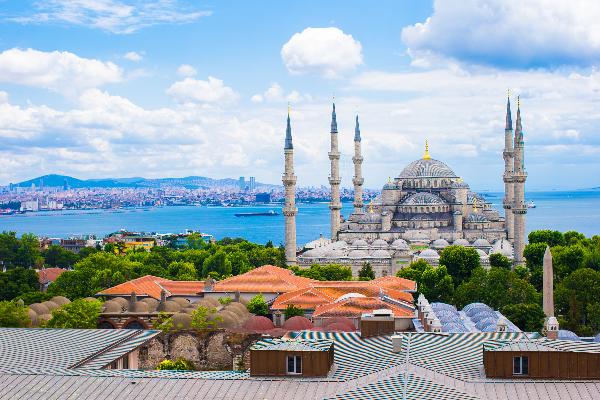
Sultanahmet Mosque (The Blue Mosque): Facing the Hagia Sophia, this 17th-century mosque is famous for its six minarets and beautiful blue Iznik tilework interior.
Topkapi Palace: The primary residence of Ottoman Sultans for centuries. Explore its lavish courtyards, harem, treasury (home to the Spoonmaker’s Diamond), and holy relics.
Basilica Cistern: This vast underground water reservoir, supported by 336 columns, offers a mysterious and cool respite from the city above.
Grand Bazaar: One of the world’s largest and oldest covered markets, with over 4,000 shops selling everything from spices to jewelry and carpets.
Spice Bazaar (Egyptian Bazaar): A fragrant market filled with mounds of spices, dried fruits, nuts, and Turkish delight.
Bosphorus Cruise: A boat tour along the strait dividing two continents offers spectacular views of palaces, mosques, and waterfront mansions (Yalı).
Practical Tips:
Getting Around: Use the efficient tram line in Sultanahmet, ferries for cross-continental travel, and taxis or ride-sharing apps for longer distances.
Dress Code: Modest dress is required for mosques (headscarves for women are often provided at entrances).
Bursa: The Green City and First Ottoman Capital
Nestled at the foot of Mount Uludağ, Bursa is known for its early Ottoman architecture, thermal baths, and as the birthplace of the Iskender Kebab.
Key Attractions:
Grand Mosque (Ulu Cami): A magnificent 14th-century Seljuk-style mosque with 20 domes and a beautiful interior fountain (şadırvan).
Green Mosque (Yeşil Cami) and Green Tomb (Yeşil Türbe): Famous for their exquisite turquoise and green Iznik tile decoration.
Koza Han: A historic caravanserai in the city center, known for trading silk cocoons and a peaceful courtyard café.
Mount Uludağ: A popular ski resort in winter and a great hiking destination in summer, accessible by cable car.
Practical Tips:
Transport: Bursa is easily reached from Istanbul via a ferry from Yenikapı to Yalova or Mudanya, followed by a bus or car.
Must-Try: Don’t leave without eating an authentic Iskender Kebab.
The Aegean Coast: Izmir, Ephesus & Pamukkale
This region is the heartland of classical antiquity, home to some of the best-preserved ancient ruins in the Mediterranean.
Izmir:
Turkey’s third-largest city is a modern, cosmopolitan port with a long seafront promenade (Kordon).
Key Attractions: The ancient Agora, the Kadifekale hilltop castle, and the vibrant Kemeraltı Bazaar.
Ephesus (Efes):
One of the most spectacular open-air museums in the world, this was once a major Roman city.
Key Attractions:
The Library of Celsus: The iconic façade is a symbol of Ephesus.
The Great Theatre: A massive structure that could hold 25,000 spectators.
Temple of Artemis: One of the Seven Wonders of the Ancient World, though only a single column remains today.
Terraced Houses: Extraordinarily well-preserved homes of the wealthy elite, with intricate mosaics and frescoes (requires a separate ticket).
Pamukkale & Hierapolis:
Meaning “Cotton Castle” in Turkish, Pamukkale is a surreal natural landscape of white travertine terraces filled with thermal water.
Key Attractions:
The Travertines: Walk barefoot on the warm, mineral-rich terraces and bathe in the pools.
Ancient City of Hierapolis: Built on top of the hot springs, this UNESCO site includes a vast necropolis, a well-preserved theatre, and the Antique Pool (Cleopatra’s Pool) where you can swim amongst submerged Roman columns.
Sultanhani Caravanserai:
Located on the road between Konya and Cappadocia, this is one of the largest and best-preserved medieval caravanserais in Turkey. It served as a fortified inn for traders and their animals along the Silk Road.
Practical Tips:
Base: Selçuk or Kuşadası are popular towns to stay in for visiting Ephesus. Pamukkale has the village of the same name at its base.
Timing: Visit Ephesus and Pamukkale early in the morning or late in the afternoon to avoid the heat and crowds.
Cappadocia: A Surreal Landscape
Famous for its unique “fairy chimney” rock formations, underground cities, and cave hotels, Cappadocia feels like another planet.
Key Attractions:
Hot Air Balloon Ride: A sunrise balloon flight over the valleys is a quintessential Cappadocia experience, offering breathtaking views.
Göreme Open-Air Museum: A UNESCO World Heritage site with numerous rock-cut churches and monasteries adorned with beautiful Byzantine frescoes.
Underground Cities: Explore Kaymaklı or Derinkuyu, multi-level subterranean cities that could house thousands of people, complete with stables, churches, and ventilation shafts.
The Valleys: Hike through the beautiful valleys like Ihlara Valley (with a river), Love Valley, Rose Valley, and Pigeon Valley.
Uchisar Castle: A natural rock fortress that is the highest point in Cappadocia, offering panoramic views.
Avanos: A town known for its pottery, crafted from the red clay from the Red River (Kızılırmak).
Practical Tips:
Base: Göreme is the most popular and central town. Ürgüp and Uçhisar are also excellent options.
Ballooning: Book your balloon flight well in advance. Flights are weather-dependent and can be cancelled for safety.
Ankara: The Modern Capital
Ankara is Turkey’s political and administrative heart, offering a different perspective from Istanbul.
Key Attractions:
Anıtkabir: The monumental mausoleum of Mustafa Kemal Atatürk, the founder of modern Turkey. It is a site of immense national significance and impressive architecture.
Museum of Anatolian Civilizations: Housed in a 15th-century bedesten (covered market), this world-class museum contains artifacts from all the major civilizations that flourished in Anatolia, including the Hittites, Phrygians, and Urartians.
The Old Citadel (Ankara Kalesi): Offers fantastic views over the city and surrounds a historic neighborhood with traditional houses.
Part II: Egypt – The Gift of the Nile
Cairo: The Vibrant Metropolis
A sprawling, chaotic, and endlessly fascinating city, Cairo is home to legendary Pharaonic treasures and vibrant Islamic culture.
The Giza Plateau & Memphis:
The Great Pyramids of Giza & The Sphinx: The last surviving wonder of the ancient world. The complex includes the pyramids of Khufu, Khafre, and Menkaure, and the enigmatic Great Sphinx guarding the plateau.
The Solar Boat Museum: Houses a remarkably preserved cedarwood boat buried near the Great Pyramid for the pharaoh’s use in the afterlife.
Memphis & Saqqara:The ancient capital of Memphis features a giant alabaster statue of Ramses II. Nearby Saqqara is a vast necropolis home to the Step Pyramid of Djoser, the world’s oldest stone monument.
The Egyptian Museum (Cairo):
(Note: Many key artifacts are being moved to the new Grand Egyptian Museum (GEM). Check current status). The old museum in Tahrir Square still holds an immense collection, including the treasures from Tutankhamun’s tomb.