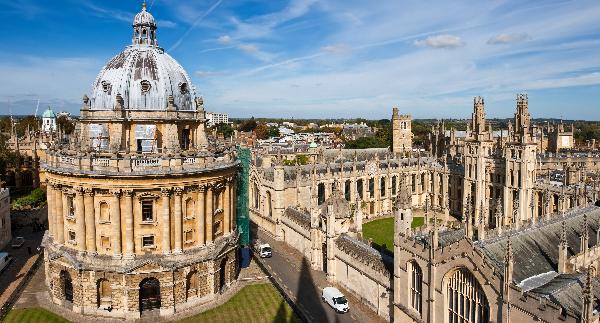
A Grand Tour of Britain: From Scottish Highlands to English Countryside
Introduction
This comprehensive travel guide outlines a classic circuit of Great Britain, beginning and ending in Glasgow. This journey is designed to showcase the immense diversity of the British Isles, from the raw, dramatic landscapes of the Scottish Highlands and the cultural powerhouses of Edinburgh and London, to the serene beauty of the Lake District and the historic charm of university towns and classic English countryside. The route is typically undertaken over a period of two to three weeks, depending on the depth of exploration desired at each location.
Glasgow: The Gateway to Scotland
Your journey begins in Glasgow, Scotland’s largest city. Unlike its more traditionally picturesque eastern neighbor, Glasgow is a city of vibrant energy, world-class art, and stunning Victorian architecture. It is a city built on industry and reinvented through culture.
Key Attractions
Kelvingrove Art Gallery and Museum: A magnificent red sandstone building housing an astonishingly diverse collection, from Salvador Dali’s Christ of St John of the Cross to natural history exhibits and arms and armor.
Glasgow Cathedral: A superb example of Scottish Gothic architecture and one of the few medieval Scottish churches to have survived the Reformation intact.
Necropolis: A Victorian garden cemetery located on a hill adjacent to the Cathedral, offering atmospheric walks and panoramic views of the city.
Riverside Museum: An award-winning transport museum designed by Zaha Hadid, showcasing Glasgow’s rich industrial and shipbuilding heritage.
George Square: The city’s principal civic square, surrounded by impressive municipal buildings and statues of famous Scots.
Practical Information: Glasgow
Getting There: Glasgow is served by two main airports (Glasgow International [GLA] and Glasgow Prestwick [PIK]) and two major train stations (Glasgow Central and Queen Street).
Getting Around: The city center is very walkable. An extensive subway system (the “Clockwork Orange”) and bus network cover wider areas.
Accommodation: Range from luxury hotels like the Blythswood Square to boutique options in the Merchant City and budget hostels.
Food & Drink: Don’t miss the city’s thriving food scene in the Finnieston area or a traditional pub meal with a pint of local ale.
The Scottish Highlands & Loch Ness
Traveling north from Glasgow, you will enter the Scottish Highlands, a region of breathtaking, untamed beauty characterized by deep lochs, rugged mountains, and vast glens. A popular route takes you through Loch Lomond & The Trossachs National Park, through Glencoe—a valley of haunting beauty and tragic history—and onwards towards the Great Glen and the legendary Loch Ness.
Key Attractions
Loch Lomond: The largest inland stretch of water in Great Britain by surface area. Take a cruise or enjoy walks along its shores.
Glencoe: A majestic and somber valley, famous for its dramatic scenery and the 1692 Massacre of Glencoe. Excellent for hiking and photography.
Loch Ness: Famous worldwide for its mythical monster, “Nessie.” The loch itself is deep, dark, and atmospheric.
Urquhart Castle: The picturesque ruins of this historic castle perched on the banks of Loch Ness offer the classic view of the loch.
Fort William & Ben Nevis: Fort William is a major tourist hub at the foot of Ben Nevis, the UK’s highest peak.
Practical Information: Highlands & Loch Ness
Getting There: Best explored by car or coach tour from Glasgow or Edinburgh. The train journey from Glasgow to Fort William on the West Highland Line is one of the world’s most scenic.
Getting Around: A car offers the most flexibility. Public transport exists but can be infrequent in remote areas.
Accommodation: Options range from hotels in Fort William or Inverness to charming Bed & Breakfasts (B&Bs) and guesthouses in smaller towns and villages.
Food & Drink: Try traditional Scottish fare like Cullen Skink (a smoked haddock soup) or fresh salmon. Visit a distillery to sample single malt Scotch whisky.
A Scottish Town (e.g., Pitlochry or Stirling)
On your journey south from the Highlands towards Edinburgh, it is highly recommended to stop in a classic Scottish town. Pitlochry, in the heart of Perthshire, is an excellent example—a charming Victorian tourist town known for its scenery, whisky, and salmon ladder. Alternatively, the historic city of Stirling, with its monumental castle and significant role in Scottish history, makes for a compelling stop.
Key Attractions (Pitlochry)
Pitlochry Dam and Fish Ladder: A hydroelectric dam with a unique fish ladder that allows salmon to migrate upstream.
Edradour Distillery: Scotland’s smallest traditional distillery, offering an intimate tour and tasting experience.
Queen’s View: A stunning viewpoint over Loch Tummel, famously admired by Queen Victoria.
Key Attractions (Stirling)
Stirling Castle: One of Scotland’s most historically significant castles, the childhood home of Mary, Queen of Scots.
The National Wallace Monument: A tower commemorating Sir William Wallace, the Scottish hero depicted in the film Braveheart.
The Old Town: A well-preserved historic area with cobbled streets and medieval buildings.
Practical Information: Scottish Towns
Getting There: Easily accessible by road and rail on the main routes between the Highlands and the Central Belt.
Accommodation: Both towns offer a wide range of B&Bs, guesthouses, and small hotels.
Edinburgh: The Athenian North
The capital of Scotland, Edinburgh, is a city of stunning aesthetics and profound history. Its dramatic skyline, dominated by the castle on an ancient volcanic crag, is unforgettable. The city is divided into two distinct areas: the medieval Old Town and the elegant Georgian New Town, both UNESCO World Heritage Sites.
Key Attractions
Edinburgh Castle: The iconic fortress housing the Crown Jewels of Scotland, the Stone of Destiny, and Mons Meg. The views over the city are spectacular.
The Royal Mile: The historic spine connecting Edinburgh Castle to the Palace of Holyroodhouse, lined with shops, pubs, and closes (alleys) leading to hidden courtyards.
Palace of Holyroodhouse: The King’s official residence in Scotland, at the opposite end of the Royal Mile from the Castle.
Arthur’s Seat: An ancient volcano in Holyrood Park offering a relatively easy hike and unparalleled 360-degree views of the city and coast.
National Museum of Scotland: A fantastic museum covering Scottish history, nature, and world cultures.
Scott Monument: A massive Victorian Gothic monument to Sir Walter Scott on Princes Street.
Practical Information: Edinburgh
Getting There: Edinburgh Airport (EDI) has excellent global connections. Waverley Station is the main train hub, with direct services from London and across Scotland.
Getting Around:The city center is best explored on foot. Buses are comprehensive, and there is a tram line from the airport to the city center.
Accommodation: Book well in advance, especially during the August Festival. Options range from luxury (The Balmoral) to boutique (The Witchery by the Castle) and numerous B&Bs.
Food & Drink: Thriving food scene. Try haggis, neeps and tatties (with a whisky sauce), and visit a traditional pub in the Grassmarket area.
York: A Tapestry of History
Travelling south from Scotland into England, the ancient city of York is a quintessential stop. Encircled by magnificent medieval walls, its cobbled streets are a living timeline from Roman and Viking eras to the present day.
Key Attractions
York Minster: One of the world’s most magnificent cathedrals. Marvel at its Gothic architecture and stunning stained-glass windows, including the famous Great East Window.
The Shambles:A crooked, overhanging medieval street, often cited as one of Europe’s best-preserved, said to be the inspiration for Diagon Alley in Harry Potter.
York City Walls: Walk a complete circuit of the well-preserved medieval walls for unique perspectives of the city.
Jorvik Viking Centre: An award-winning museum built on the site of a Viking-age archaeological dig, offering a ride-through reconstruction of 10th-century York.
National Railway Museum:A free museum housing a world-class collection of historic locomotives and royal carriages.
Practical Information: York
Getting There: York is on the main East Coast railway line from Edinburgh to London (approx. 2 hours from Edinburgh).
Getting Around:The compact historic center is entirely walkable.
Accommodation:A wide range of hotels and B&Bs are available within and just outside the city walls.
Conclusion
This circular tour of Britain offers an unparalleled journey through centuries of history, diverse cultures, and some of Europe’s most iconic urban and natural landscapes. From the wild majesty of the Scottish Highlands to the scholarly halls of Oxford and Cambridge, and from the political heart of London to the poetic inspiration of the Lake District, this itinerary provides a profound understanding of what makes Great Britain a perennial destination for travelers from around the globe. Careful planning regarding transport and accommodation is essential to make the most of this epic journey.