A Cultural Pilgrimage: Exploring the Heart of Paris’s Left Bank
This guide details a journey through the epicenter of Parisian art, history, and intellectual life. The itinerary connects world-renowned museums with intimate chapels, legendary cafes, and serene gardens, offering a profound experience of the city’s enduring cultural spirit. This route, primarily on the Left Bank in the 6th arrondissement, is best explored on foot, allowing for serendipitous discoveries along its charming, narrow streets.
Major Attractions and Landmarks
Musée du Louvre (Louvre Museum)
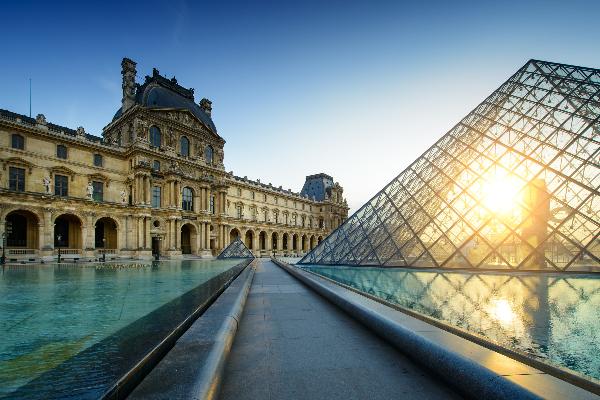
The Louvre is not merely a museum; it is a historic monument and the world’s largest art museum. Housed in the Louvre Palace, a fortress dating back to the late 12th century, its vast collection spans from antiquity to the mid-19th century. Visitors can easily spend multiple days exploring its galleries.
Must-See Masterpieces: Leonardo da Vinci’s Mona Lisa, the Venus de Milo, the Winged Victory of Samothrace, Eugène Delacroix’s Liberty Leading the People, and the Code of Hammurabi.
Architectural Highlight: The modern glass pyramid, designed by I. M. Pei, serves as the main entrance and is a landmark in its own right.
Practical Tip: Purchase tickets online in advance to avoid extremely long queues. The museum is closed on Tuesdays. Consider a guided tour to navigate the overwhelming collection efficiently.
Transportation: Metro lines 1 and 7, station Palais Royal – Musée du Louvre.
Pont des Arts (Art Bridge)
Historically known as the “Lovers’ Bridge,” the Pont des Arts is a pedestrian bridge offering a classic, picture-perfect view of the Seine River, the Île de la Cité, and the Institut de France. While the city of Paris removed the “love locks” due to safety concerns, the bridge remains a popular spot for picnics, photography, and enjoying a moment of respite.
Experience: Bring a picnic and enjoy it on the bridge during warmer months, watching the bateaux-mouches (sightseeing boats) glide by.
Location: It connects the Cour Carrée of the Louvre (Right Bank) with the Institut de France (Left Bank).
Institut de France
This majestic building, with its iconic dome, is one of France’s most revered institutions. Founded in 1795, it brings together five prestigious academies, including the famed
Académie Française, the official guardian of the French language. While the interior is generally not open to the public for casual visits, its exterior is a masterpiece of French classical architecture.
Cultural Insight: The Académie Française consists of 40 members, known as “the Immortals,” who work on the official dictionary of the French language.
Nearby: The institute faces the Pont des Arts and stands at the head of the Quai de Conti.
École des Beaux-Arts (Paris Fine Arts School)
The École Nationale Supérieure des Beaux-Arts is the historic heart of academic art training in the Western world. Countless renowned artists, including Monet, Renoir, Degas, and Delacroix, studied within its walls. The school’s complex of buildings, incorporating the 17th-century Hôtel de Chimay, is worth admiring from the outside. Occasionally, there are public exhibitions of student work.
Location: 14 Rue Bonaparte, directly in the heart of the Saint-Germain-des-Prés district.
Musée National Eugène-Delacroix (Eugène Delacroix National Museum)
Tucked away in a quiet courtyard, this intimate museum was the final home and studio of the Romantic painter Eugène Delacroix. He moved here in 1857 for its proximity to the church of Saint-Sulpice, where he was working on a major mural. The museum houses a collection of his paintings, drawings, pastels, and personal objects, offering a poignant glimpse into his creative process and daily life.
Highlights: See his studio, preserved much as he left it, and works like Mary Magdalene in the Wilderness and studies for the Saint-Sulpice murals.
Combined Ticket: A ticket from the Louvre is valid for admission to the Delacroix Museum on the same day.
Transportation: Metro line 4, station Saint-Germain-des-Prés.
Abbey of Saint-Germain-des-Prés
This is the oldest church in Paris, with its bell tower dating from the 11th century. It was once part of a powerful Benedictine abbey that dominated the Left Bank for centuries. The current church showcases a mix of Romanesque and Gothic architecture and is the resting place of philosopher René Descartes.
Historical Insight: The area surrounding the abbey became a haven for writers and philosophers after WWII, with figures like Jean-Paul Sartre and Simone de Beauvoir frequenting the local cafes.
Church of Saint-Sulpice
The second-largest church in Paris after Notre-Dame, Saint-Sulpice is known for its grand scale, striking classical facade, and impressive interior. It houses several significant art treasures, most notably the frescoes by Eugène Delacroix in the first chapel on the right. The church also features a gnomon, an astronomical instrument designed to determine the equinoxes.
Cultural Note: The church gained modern fame from its role in Dan Brown’s The Da Vinci Code, though the “Rose Line” is a fictional element.
Jardin du Luxembourg (Luxembourg Gardens)
A quintessential Parisian park, the Jardin du Luxembourg is an oasis of tranquility and activity. Created in 1612 for Marie de’ Medici, it features formal French gardens, lush English landscapes, a large octagonal pond where children sail model boats, tennis courts, puppet shows, and picturesque green metal chairs perfect for relaxing.
What to Do: Visit the Medici Fountain, watch a marionette show at the Théâtre des Marionnettes, stroll through the orchard with its heritage apple varieties, or simply sit and read a book.
Location: The gardens are adjacent to the French Senate (Palais du Luxembourg).
Sénat (French Senate) – Palais du Luxembourg
The Luxembourg Palace is the seat of the French Senate. Built in the 1620s for Marie de’ Medici, it is a superb example of French classical architecture. While access to the senate chambers is restricted, the palace can be visited through guided tours (which must be booked well in advance through a senator’s office). The surrounding gardens are freely accessible to all.
Culinary Stops: Cafés and Brasseries
Café de Flore
One of the most iconic cafes in the world, Café de Flore has been a symbol of Parisian intellectual life since the post-war existentialist movement. Sartre, de Beauvoir, and Albert Camus were regulars. With its Art Deco interior and heated terrace, it maintains an air of timeless elegance.
What to Order: A classic café crème (espresso with steamed milk), hot chocolate, or their famous omelet. It is on the pricier side, but you are paying for the history and atmosphere.
Atmosphere: Intellectual, chic, and bustling.
Les Deux Magots
Situated directly across from Café de Flore, Les Deux Magots is its historic rival and was equally popular with the literary and artistic elite. The name refers to the two carved Chinese figures (
magots) inside. It also awards its own annual literary prize.
What to Order: A glass of wine, a coffee, or their excellent pastries. Like its neighbor, it is a premium experience.
Atmosphere: Literary, fashionable, and vibrant.
Brasserie Lipp
A stone’s throw from the two cafes, Brasserie Lipp is a Parisian institution known for its traditional Alsatian cuisine and political clientele. Since 1880, it has been a meeting place for journalists, politicians, and writers. The interior, with its ceramic tiles and mirrored walls, is classified as a historical monument.
What to Order: Classic brasserie fare: choucroute (sauerkraut with sausages and pork), steak tartare, or sole meunière. For dessert, try the île flottante (floating island).
Cultural Insight: There’s an unspoken hierarchy in seating; the main hall is for “regulars” and celebrities, while newcomers are often seated upstairs—which still offers a fantastic experience.
Reservation: Highly recommended.
Practical Travel Information
Transportation
The entire area is exceptionally walkable. The Paris Metro is the most efficient way to cover longer distances or connect to this route from other parts of the city.
Key Metro Stations:
Louvre-Rivoli / Palais Royal – Musée du Louvre (Line 1 & 7): For the Louvre.
Saint-Germain-des-Prés (Line 4): Central for the abbey, cafes, Beaux-Arts, and Delacroix Museum.
Mabillon (Line 10): Close to Brasserie Lipp and Saint-Germain-des-Prés.
Saint-Sulpice (Line 4): For the church.
Luxembourg (RER B): The main RER station serving the Luxembourg Gardens and Senate.
Walking:The route from the Louvre to the Luxembourg Gardens is approximately 2.5 kilometers (1.5 miles) and can be comfortably covered in a day with stops.
Accommodation Tips
The 6th arrondissement (Saint-Germain-des-Prés) is one of Paris’s most desirable and charming neighborhoods to stay in. It is also one of the most expensive.
Luxury/Splurge: Consider legendary hotels like Hôtel Lutetia or Relais Christine for a truly immersive Saint-Germain experience.
Mid-Range/Boutique:The area has numerous smaller boutique hotels. Look for options on side streets rather than main boulevards for a quieter stay.
Budget-Friendly Alternatives:The adjacent 5th arrondissement (Latin Quarter) or 7th arrondissement offer more variety and can be more budget-friendly while still being within easy walking distance.
Booking Advice:Book well in advance, especially during peak travel seasons (spring and fall).
Cultural Insights and Etiquette
Cafe Culture: In iconic cafes like Flore and Deux Magots, service is part of the experience. It’s customary to take your time; you are renting the table space. A simple coffee can last for hours. A slightly higher price reflects this tradition.
“Bonjour” is Key: Always greet shopkeepers, waitstaff, and museum staff with a polite “Bonjour” (or “Bonsoir” in the evening) before asking a question. It is considered basic courtesy.
Tipping:A service charge (service compris) is included by law in all restaurant and cafe bills. It is customary to leave a small extra tip (some coins or 5-10%) for good service, but it is not obligatory.
Museum & Church Etiquette: Speak quietly. In churches, dress respectfully; avoid bare shoulders and short shorts. Flash photography is often prohibited.
The Art of Flânerie:The best way to experience this neighborhood is to embrace being a flâneur—a person who strolls through the city without a specific goal, observing life and architecture. Allow yourself to get pleasantly lost in the small streets between the major landmarks.