A Comprehensive Travel Guide: The French Riviera Loop – Nice, Monaco, Menton, and Èze
Introduction to the French Riviera Loop
This guide details one of the most spectacular and popular journeys on the Côte d’Azur: a loop starting and ending in Nice, encompassing the sovereign principality of Monaco, the charmingly Italianate town of Menton, and the breathtaking medieval hilltop village of Èze. This route is a masterclass in contrast, offering glamorous marinas, historic old towns, stunning gardens, and panoramic coastal views, all connected by one of the world’s most scenic train lines and roadways.
The journey can comfortably be done over several days to fully appreciate each location, or as a packed but unforgettable 2-3 day itinerary. The proximity of these destinations makes public transport, particularly the TER train, an excellent and highly recommended option.
Nice: The Queen of the Riviera
As the capital of the French Riviera and the likely starting point for your journey, Nice is a vibrant city that blends Italian and French influences. It’s not just a gateway; it’s a destination worthy of exploration itself.
Key Attractions in Nice
Promenade des Anglais: The iconic 7-kilometer seafront walkway, perfect for a stroll, a bike ride, or simply sitting on one of the famous blue chairs to gaze at the Mediterranean’s turquoise waters.
Vieille Ville (Old Town): A labyrinth of narrow, winding streets filled with vibrant markets, charming boutiques, and traditional restaurants. The daily Cours Saleya Market is a must-see, offering flowers, fresh produce, and local delicacies.
Colline du Château (Castle Hill): While the castle is long gone, the park atop this hill offers the most breathtaking panoramic views of Nice’s red-roofed old town, the Baie des Anges, and the port. It’s accessible by foot or a free elevator.
Port Lympia: Nice’s colorful port, filled with yachts and fishing boats. It’s a more tranquil area with excellent seafood restaurants and a different perspective of the city.
Museums: Art lovers should not miss the Marc Chagall National Museum (devoted to the artist’s biblical message) or the Matisse Museum located in a beautiful Genoese villa in the Cimiez district.
Practical Information for Nice
Getting Around: Nice is very walkable. The city also has an efficient tram system and extensive bus network. The Lignes d’Azur network is easy to navigate.
Base for Travel: Nice’s central location and excellent transport links make it the perfect base for exploring the entire Riviera.
Accommodation Tip: Stay in or near the Old Town for charm and proximity to restaurants, or near Jean Médecin Avenue for modern convenience and shopping.
Èze: The Eagle’s Nest
Perched 429 meters above sea level on a sheer cliff face, Èze is a stunning medieval village that feels suspended in time. The journey from Nice to Èze offers dramatic coastal views.
Key Attractions in Èze
Èze Village: The main attraction is the village itself. Wander its steep, cobbled lanes (wear good shoes!), discover artisan shops tucked into ancient stone buildings, and get lost in its enchanting atmosphere.
Jardin Exotique d’Èze: Located at the very top of the village in the ruins of a medieval castle, this exotic garden features a remarkable collection of cacti and succulents. The 360-degree view of the coastline from here is arguably one of the best on the Riviera.
Nietzsche Path (Chemin de Nietzsche): A steep hiking trail connecting Èze-sur-Mer (the coastal train station) to Èze Village. It’s named after the philosopher Friedrich Nietzsche, who is said to have walked this path frequently while writing parts of “Thus Spoke Zarathustra.”
Fragonard Perfumery: Located at the base of the village, this is one of the region’s famous perfume factories offering free guided tours to learn about the history and process of perfume making in Grasse.
Practical Information for Èze
Getting There: The train from Nice stops at Èze-sur-Mer, from where you must take bus #83 (a scenic but winding 15-minute ride) up to the village. Alternatively, the #82 bus goes directly from Nice to Èze Village but is less frequent.
Timing: Allow at least 3-4 hours to explore the village and gardens thoroughly. Arrive early or late to avoid the biggest crowds from tour buses.
Warning: The village is extremely steep and not suitable for those with significant mobility issues.
Monaco: Glamour and Sovereignty
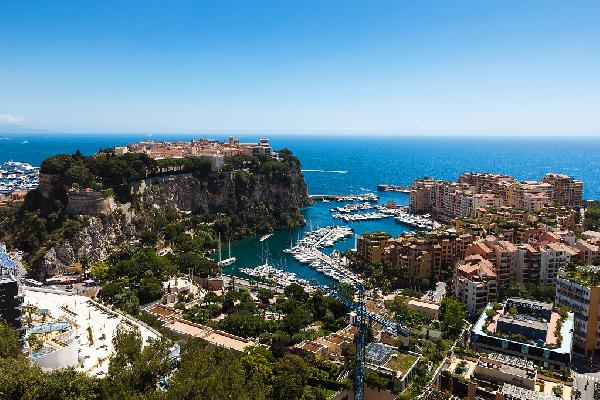
A sovereign city-state entirely surrounded by France, Monaco is a tiny principality synonymous with luxury, Grand Prix racing, and royalty. Despite its size (just over 2 square kilometers), it packs a powerful punch.
Key Attractions in Monaco
Monte Carlo: The iconic district known for its casino, luxury hotels, and designer boutiques. Even if you don’t gamble, visiting the opulent Casino de Monte-Carlo (for a fee) to see its grand atrium and salons is a classic Riviera experience. Note: dress code is enforced in the afternoon and evening.
Prince’s Palace of Monaco: Located in Monaco-Ville (the old town, also known as “The Rock”), this is the official residence of the Prince of Monaco. Watch the Changing of the Guard ceremony at 11:55 AM daily and tour the State Apartments during certain months.
Oceanographic Museum: A magnificent building perched on a cliffside, founded by Prince Albert I. It houses an impressive aquarium and exhibitions dedicated to marine science. It was directed by Jacques Cousteau for decades.
The Ports: Stroll past Port de la Condamine and Port Hercule to marvel at some of the world’s most extravagant superyachts.
The Formula 1 Circuit: Walk or drive along the actual streets that make up the famous Monaco Grand Prix circuit. Signs mark the track route throughout the city.
Exotic Garden (Jardin Exotique): Features a vast collection of succulent plants and offers stunning views over Monaco. The garden is built on the cliffside and includes a cave with impressive stalactites and stalagmites.
Practical Information for Monaco
Getting There: The train from Nice to Monaco (Monte-Carlo station) takes about 20 minutes and is highly efficient. Buses also run frequently.
Getting Around: Monaco is small but hilly. An excellent network of public elevators (ascenseurs publics) and escalators helps you navigate the steep terrain between districts for free.
Money: Monaco uses the Euro (€), despite not being part of the EU. Credit cards are widely accepted.
Safety: Monaco is one of the safest places in the world, with pervasive security and police presence.
Menton: The Pearl of France
Situated on the Italian border, Menton has a unique microclimate that makes it one of the warmest spots in France. It’s famous for its lush gardens, lemon festival, and a distinctly Italian feel reflected in its architecture and cuisine.
Key Attractions in Menton
The Old Town (Vieille Ville): A cascade of pastel-colored buildings tumbling down a hillside towards the sea. Explore its steep staircases, narrow “calades” (cobbled lanes), and the beautiful Basilique Saint-Michel-Archange with its striking bell tower.
The Gardens: Menton is renowned for its stunning gardens. The Jardins Biovès line the main boulevard with temporary citrus-themed sculptures. The Val Rahmeh Botanical Garden and the Serre de la Madone are world-class for plant enthusiasts.
The Lemon Festival (Fête du Citron): If you visit in February or March, you’ll witness this unique event where massive, intricate sculptures made from lemons and oranges fill the Biovès gardens.
The Beaches: Menton has several small beaches, mostly pebbly. The views of the old town from the beaches are spectacular.
The Jean Cocteau Museum: The artist Jean Cocteau was fascinated by Menton. This museum, housed in a 17th-century fort, holds a significant collection of his work.
The Border Walk: It’s a short walk from the town center to the actual border with Italy, marked by a sign. You can easily cross on foot into Ventimiglia.
Practical Information for Menton
Getting There: The train from Monaco to Menton takes only about 10-15 minutes.
Cuisine: