A Comprehensive Travel Guide: Cairo to Alexandria and Back
Introduction to the Journey
This guide details a classic Egyptian itinerary focusing on the vibrant capital, Cairo, and the historic Mediterranean port city of Alexandria. The journey from Cairo to Alexandria is a traverse through millennia of history, from the ancient Pharaonic capital of Memphis to the Hellenistic world of Alexander the Great. Traveling between these two cities offers a profound contrast between the bustling, sprawling energy of Cairo and the laid-back, European-esque ambiance of Alexandria’s corniche.
The route typically involves a round trip from Cairo, allowing travelers to use Cairo as a base for exploring the Giza Plateau and then venturing north for a multi-day stay in Alexandria before returning. This guide provides all the necessary information for a seamless and enriching experience.
Pre-Travel Essentials
Visa and Entry Requirements
Most foreign nationals require a visa to enter Egypt. Tourist visas can often be obtained upon arrival at major international airports like Cairo (CAI) for many nationalities, including citizens of the EU, UK, USA, Australia, and Canada. The cost is typically 25 USD, payable in cash (USD, EUR, or GBP are accepted). You must have a passport valid for at least six months from your date of entry. It is also possible to obtain an e-Visa online before travel, which can save time at the airport.
Best Time to Visit
The ideal time to visit Cairo and Alexandria is during the cooler months, from
October to April. During this period, daytime temperatures are pleasant for sightseeing.
Spring (March-April): Warm and sunny, with occasional sandstorms (Khamsin winds).
Autumn (October-November): Excellent weather, ideal for all activities.
Winter (December-February): Days are mild, but nights can be quite cold, especially in Alexandria which can be windy and rainy.
Summer (May-September): Extremely hot in Cairo. Alexandria is more bearable due to sea breezes, but it can be very humid and crowded with Egyptian holidaymakers.
Health and Safety
Vaccinations: Routine vaccinations should be up-to-date. Hepatitis A and Typhoid vaccinations are recommended for most travelers. Consult your doctor for advice on others like Hepatitis B and Rabies.
Food and Water: Do not drink tap water. Use bottled water for drinking and brushing teeth. Be cautious with street food; ensure it is freshly cooked and served hot. Avoid salads and unpeeled fruits that may have been washed in tap water.
General Safety: Egypt is generally safe for tourists, but standard precautions apply. Be aware of pickpockets in crowded areas. Use hotel safes for valuables. Dress modestly to respect local customs. It is advisable to check your government’s travel advisories before your trip.
Currency and Money
The local currency is the
Egyptian Pound (EGP or LE). Credit cards are widely accepted in hotels, upscale restaurants, and larger shops in Cairo and Alexandria. However, cash is king in local markets (souks), for taxis, and for small purchases.
ATMs: Widely available in both cities.
Tipping (Baksheesh): Tipping is a deeply ingrained part of the culture. Small tips (5-20 EGP) are expected for small services from restroom attendants to hotel porters. For guides and drivers, a more substantial tip is customary.
Bargaining: Expected in markets and for non-metered taxi rides. Be polite but firm.
Language and Communication
The official language is Arabic. English is widely understood in tourist areas, hotels, and by most people in the service industry. Learning a few basic Arabic phrases will be appreciated:
- Hello: As-salaam alaykum
- Thank you: Shukran
- Yes: Aywa
- No: La
- How much?: Bikam?
Consider purchasing a local SIM card upon arrival at the airport for affordable data and calls.
Packing Tips
Clothing: Pack light, breathable fabrics (cotton, linen) for summer. Include layers for cooler winter evenings, especially for Alexandria. A light jacket or sweater is essential for air-conditioned buses and hotels.
Modest Attire: Both men and women should pack clothing that covers shoulders and knees, especially when visiting mosques or religious sites. A scarf is useful for women to cover their hair in mosques.
li>Footwear: Comfortable walking shoes are non-negotiable for exploring archaeological sites.
Essentials: Sunscreen, sunglasses, a hat, lip balm, a reusable water bottle, hand sanitizer, and a universal power adapter (Egypt uses Type C and F sockets, 220V).
Cairo: The City of a Thousand Minarets
Overview
Cairo is a sprawling, chaotic, and captivating metropolis that seamlessly blends ancient history with modern life. It is home to the last remaining wonder of the ancient world and countless other treasures from Pharaonic, Coptic, and Islamic eras.
Getting Around Cairo
Metro: The fastest way to avoid traffic. It has two main lines covering central Cairo and Giza. It’s cheap, efficient, and has dedicated cars for women.
Ride-Hailing Apps: Uber and Careem are widely used, affordable, and eliminate the need to haggle over fares.
Taxis: Use white taxis with meters (ensure they are switched on) or negotiate the price beforehand. Avoid older black-and-white cabs.
Private Driver: Can be hired for a half or full day for maximum convenience, especially for visiting sites in Giza and Saqqara.
Top Attractions in Cairo
The Giza Plateau
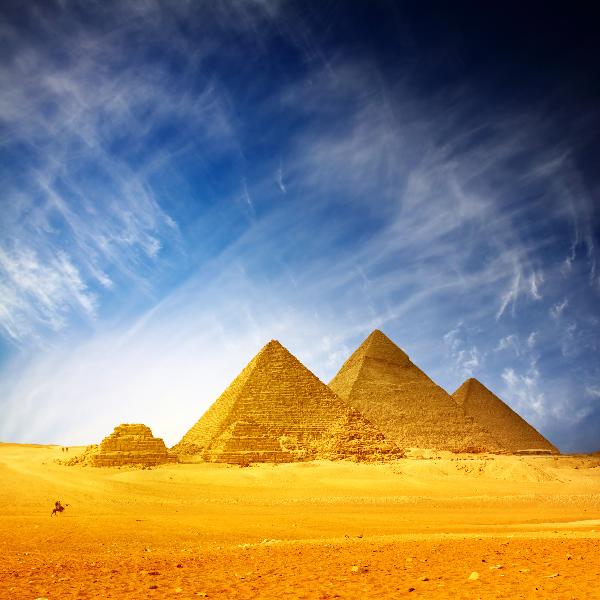
The home of the iconic Pyramids of Giza and the Great Sphinx. The complex includes:
The Great Pyramid of Khufu (Cheops): The largest of the three.
The Pyramid of Khafre (Chephren): Appears taller due to its higher foundation and still retains some of its original limestone casing at the top.
The Pyramid of Menkaure (Mykerinos): The smallest of the three.
The Great Sphinx: The colossal limestone statue with the body of a lion and the head of a pharaoh.
Tip: Visit early in the morning to avoid crowds and the heat. Entrance tickets to the plateau are separate from tickets to enter the interiors of the pyramids. A sound and light show is held in the evenings.
The Egyptian Museum (Museum of Egyptian Antiquities)
Located in Tahrir Square, this historic museum houses an unparalleled collection of Pharaonic antiquities, including the treasures from Tutankhamun’s tomb. While many key pieces are being moved to the new Grand Egyptian Museum (GEM), the old museum remains a treasure trove. The GEM, located near the Giza Plateau, is partially open and will eventually be the primary home for Egypt’s ancient artifacts.
The Citadel of Saladin
A medieval Islamic fortification offering panoramic views of Cairo. Within its walls lies the magnificent
Muhammad Ali Mosque, also known as the Alabaster Mosque, an Ottoman-era masterpiece.
Khan el-Khalili Bazaar
A sprawling, historic market in Islamic Cairo. It’s a labyrinth of alleyways filled with shops selling spices, perfumes, jewelry, lanterns, and souvenirs. It’s an experience as much as a shopping destination. Be prepared to bargain.
Coptic Cairo
This ancient part of the city predates Islamic Cairo and is home to sites like the Hanging Church (Al-Muallaqa), the Coptic Museum, the Church of St. Sergius and Bacchus (said to be built over a cave where the Holy Family rested), and the Ben Ezra Synagogue.
The Nilometer on Rhoda Island
An ancient structure used to measure the Nile’s water levels to predict harvests and set tax rates. It offers insight into Egypt’s deep connection with the river.
Where to Stay in Cairo
Downtown/Khan el-Khalili Area: Central location with budget to mid-range hotels. Close to the Egyptian Museum and the bazaar. Can be noisy.
Zamalek Island: An upscale, quiet neighborhood on an island in the Nile. Full of embassies, restaurants, and art galleries. A peaceful retreat from the city chaos.
li>Giza/Nile West Bank: Offers hotels with direct views of the Pyramids. Convenient for early morning visits but further from other city attractions.
Cairo Dining Suggestions
Kazaz: Famous for traditional Egyptian street food like Koshary (a mix of rice, lentils, pasta, chickpeas, and tomato sauce).
li>Abou El Sid:A classic restaurant serving authentic Egyptian cuisine in a traditional, atmospheric setting. Multiple branches, including one in Zamalek.
li>Sequoia:A popular restaurant on the Zamalek waterfront with great views of the Nile.
li>Felfela:A long-standing institution famous for its taameya (Egyptian falafel) and other local dishes.