Western Mediterranean Cruise Travel Guide: Genoa, Marseille, Barcelona, Cagliari, Naples, Rome
Embark on an unforgettable journey through the heart of the Western Mediterranean, exploring the rich history, vibrant cultures, and stunning landscapes of Italy, France, and Spain. This comprehensive guide covers a classic cruise itinerary from Genoa to Marseille, Barcelona, a sea day, Cagliari, Naples, and Rome (Civitavecchia), before returning to Genoa.
Introduction to the Western Mediterranean Cruise
A Western Mediterranean cruise is a voyage through the cradle of Western civilization. This region is a dazzling tapestry of ancient ruins, Renaissance art, bustling modern cities, serene coastal villages, and some of the world’s most celebrated cuisines. The specific itinerary of Genoa-Marseille-Barcelona-Sea Day-Cagliari-Naples-Rome/Genoa offers a perfect blend of French Riviera glamour, Spanish Catalan passion, and the deep historical roots of the Italian mainland and Sardinia.
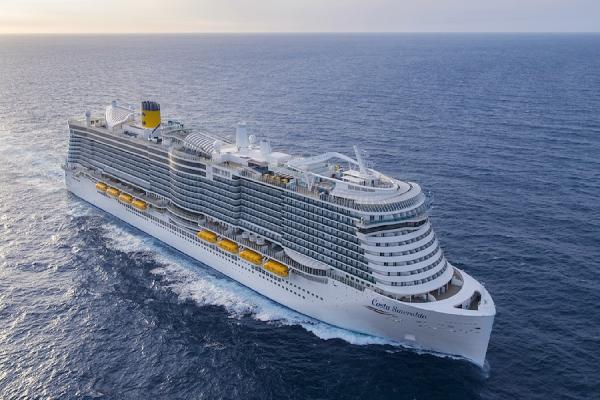
The journey is typically undertaken aboard a modern cruise ship, which serves as both transportation and floating hotel. This mode of travel allows for the efficient exploration of multiple, geographically diverse destinations without the hassle of constant packing, unpacking, and navigating land-based transport between cities.
Detailed Itinerary Overview
Day 1: Departure from Genoa, Italy
Port: Genoa (Genova)
Highlights: Explore the historic Old Town (a UNESCO World Heritage site), the Aquarium of Genoa (one of the largest in Europe), and the Lanterna lighthouse. The city is a captivating mix of gritty port atmosphere and grand Renaissance architecture.
Practical Info: The cruise terminal is close to the city center. Taxis and public buses are readily available. Arrive a day early to explore Genoa thoroughly before embarkation.
Day 2: Marseille, France
Port: Marseille
Highlights: Visit the iconic Basilique Notre-Dame de la Garde for panoramic city views, explore the historic Le Panier district, and see the modern architectural marvel, Mucem (Museum of European and Mediterranean Civilisations). A trip to the Calanques National Park is highly recommended for nature lovers.
Practical Info: The cruise port is a short shuttle bus ride from the Vieux-Port (Old Port), the city’s main hub. The shuttle service is usually provided by the cruise line for a fee. English is widely spoken in tourist areas.
Day 3: Barcelona, Spain
Port: Barcelona
Highlights: Immerse yourself in the fantastical architecture of Antoni Gaudí, including the Sagrada Família, Park Güell, and Casa Batlló. Stroll down the bustling Las Ramblas, explore the Gothic Quarter (Barri Gòtic), and relax at Barceloneta Beach.
Practical Info: The port is large; a shuttle bus typically takes passengers to the bottom of Las Ramblas (Columbus Monument). Barcelona is a major city with an excellent metro system, but be mindful of pickpockets in crowded areas.
Day 4: Day at Sea
Activities: A day to relax and enjoy the ship’s amenities. Participate in onboard activities like cooking demonstrations, spa treatments, poolside games, or fitness classes. It’s a perfect opportunity to unwind after days of sightseeing.
Day 5: Cagliari, Sardinia, Italy
Port: Cagliari
Highlights: Discover the historic Castello district perched on a hilltop, featuring the Cagliari Cathedral and ancient Pisan walls. Visit the Roman Amphitheatre and enjoy the stunning view from the Bastione di Saint Remy. Poetto Beach offers a beautiful stretch of sand close to the city.
Practical Info: The port is an easy walk (about 15-20 minutes) to the city center and the base of the Castello district. A small tourist train is also available. Sardinia has a distinct culture and cuisine separate from the Italian mainland.
Day 6: Naples, Italy
Port: Naples
Highlights: Naples itself offers the vibrant Spaccanapoli street, the Naples National Archaeological Museum (home to artifacts from Pompeii), and authentic Neapolitan pizza. The main excursions from here are the archaeological sites of Pompeii and Herculaneum, buried by Mount Vesuvius, and the stunningly beautiful Amalfi Coast (Positano, Amalfi, Ravello).
Practical Info: The cruise terminal is centrally located. For Pompeii/Vesuvius, trains (Circumvesuviana line) are affordable but can be crowded. For the Amalfi Coast, organized tours or private drivers are recommended due to complex driving and parking.
Day 7: Rome (Port of Civitavecchia), Italy
Port: Civitavecchia
Highlights: The “Eternal City.” Must-see landmarks include the Colosseum, Roman Forum, Palatine Hill, Vatican City (St. Peter’s Basilica, Vatican Museums with the Sistine Chapel), Trevi Fountain, and Pantheon.
Practical Info: Civitavecchia is about 80 minutes from Rome. The most common transfer is a shuttle bus from the ship to the port entrance, then a train from Civitavecchia station to Roma Termini. Organized cruise excursions offer convenience but less flexibility.
Day 8: Return to Genoa, Italy
Disembarkation: The ship arrives back in Genoa in the morning. Disembarkation procedures are followed, typically involving a scheduled time to leave the ship based on your travel arrangements.
In-Depth Destination Guides
Genoa (Genova), Italy
Genoa is a historic maritime republic with a rich past evident in its sprawling medieval old town, the largest in Europe. Unlike the more polished tourist cities, Genoa has an authentic, working-port charm.
Palazzi dei Rolli: A system of Renaissance and Baroque palaces, now a UNESCO site. Many are open to the public.
Aquarium of Genoa (Acquario di Genova): A massive and modern aquarium located in the old port area, perfect for families.
Cattedrale di San Lorenzo: The city’s Romanesque-Gothic cathedral with its distinctive black-and-white striped facade.
Boccadasse: A charming, colorful fishing village neighborhood located east of the city center, perfect for a stroll and gelato.
Marseille, France
France’s oldest and second-largest city is a vibrant melting pot of cultures. It has shed its rough-around-the-edges reputation to become a dynamic cultural hub.
Basilique Notre-Dame de la Garde: The city’s iconic basilica offers unparalleled 360-degree views of Marseille and the Mediterranean.
Le Panier: The oldest part of Marseille, a labyrinth of narrow streets filled with cafes, ateliers, and street art.
Mucem (Museum of European and Mediterranean Civilisations): A stunning modern museum dedicated to Mediterranean history and culture, connected by a dramatic footbridge to the Fort Saint-Jean.
The Calanques: A series of dramatic limestone inlets and cliffs between Marseille and Cassis. Accessible by boat tour or on foot (in certain areas).
Barcelona, Spain
The capital of Catalonia is a feast for the senses, known for its unique architecture, vibrant street life, and world-class food scene.
Sagrada Família: Gaudí’s unfinished masterpiece is the city’s most famous landmark. Pre-booking tickets online is essential.
Park Güell: A whimsical public park with colorful mosaics and architectural elements by Gaudí. Also requires pre-booked tickets.
Gothic Quarter (Barri Gòtic): The heart of the old city, with medieval streets surrounding the Barcelona Cathedral.
Casa Batlló & La Pedrera: Two more of Gaudí’s revolutionary residential buildings on the Passeig de Gràcia.
Las Ramblas: The famous tree-lined pedestrian street buzzing with activity, street performers, and markets (like La Boqueria).
Shore Excursion Options
| Port | Organized Excursion Examples | Independent Travel Options |
|---|---|---|
| Marseille | Aix-en-Provence Tour; Calanques Boat Cruise; Marseille City & Notre-Dame de la Garde | Public shuttle to Vieux-Port; explore Le Panier on foot; local ferry to Château d’If |
| Barcelona | Sagrada Família & Park Güell Tour; Montserrat Monastery Visit; Gothic Quarter Walking Tour | Hop-on-hop-off bus; Metro to key sites; self-guided Gaudí walk |
| Cagliari | Cagliari City & Beach Tour; Nora Archaeological Site; Wine Tasting in the Campidano Region | Walk from port to city center; take local bus to Poetto Beach |
| Naples | Pompeii & Vesuvius; Amalfi Coast Drive by Boat/Bus; Naples Historic Center & Pizza Making | Circumvesuviana train to Pompeii/Herculaneum; ferry to Capri/Sorrento (in summer) |
| Civitavecchia (Rome) | “Best of Rome” Coach Tour; Vatican Museums & Colosseum Tour; Fast Train Transfer to Rome | Shuttle + Train to Roma Termini; Rome Metro; walking between central sights |
Practical Information & Tips
Before You Go
Travel Documents: A valid passport is required for all passengers. Ensure it is valid for at least six months beyond your travel dates. Check visa requirements based on your nationality.
Currency: Euro (€) is used in Italy, France (Marseille), and Spain (Barcelona). Inform your bank of your travel plans.
Language: Italian (Genoa, Cagliari, Naples, Rome), French (Marseille), Spanish/Catalan (Barcelona). English is widely spoken in tourist areas.
Health & Safety: Travel insurance is highly recommended. Be aware of your surroundings and be vigilant against pickpocketing, especially in Barcelona, Naples, and Rome.
Packing: Pack comfortable walking shoes, layered clothing for variable weather, swimwear, sunscreen, a hat, and adapters for European power outlets (Type C, F, L). Modest clothing is required for visiting churches (covered shoulders and knees).
Onboard the Cruise
Embarkation/Debarkation: Have your passport and cruise documents ready. Follow the scheduled times for disembarkation on the final day.
“All Aboard” Time:The ship will strictly adhere to departure times. Always plan to return to the ship at least 1-1.5 hours before the scheduled departure.
Cruise Card & Onboard Account: Your cruise card is your room key, onboard payment method, and ID for getting on/off the ship. Keep it secure.
Tipping/Gratuities: Most cruise lines automatically add daily gratuities to your onboard account. Check your cruise line’s policy.
In Port
Local Transportation: Research options in advance (trains, buses, taxis). Have local currency for taxis and small vendors.
Sightseeing Passes: Cities like Barcelona and Rome offer tourist cards that include public transport and museum entry. Calculate if they are cost-effective for your plans.
Timetables & Bookings: For major attractions like the Sagrada Família, Colosseum, or Vatican Museums, pre-book tickets online weeks or months in advance to avoid long queues and ensure entry.
The Ship as a Base:The ship provides meals. You can return for lunch if your schedule allows, or enjoy local cuisine in port.