Ultimate Spanish Journey: From Barcelona to Madrid
This guide covers a spectacular route through Spain’s most iconic cities and towns, blending Mediterranean coasts, Moorish history, and vibrant modern culture. Explore architectural marvels, savor world-renowned cuisine, and immerse yourself in Spain’s rich heritage.
Barcelona
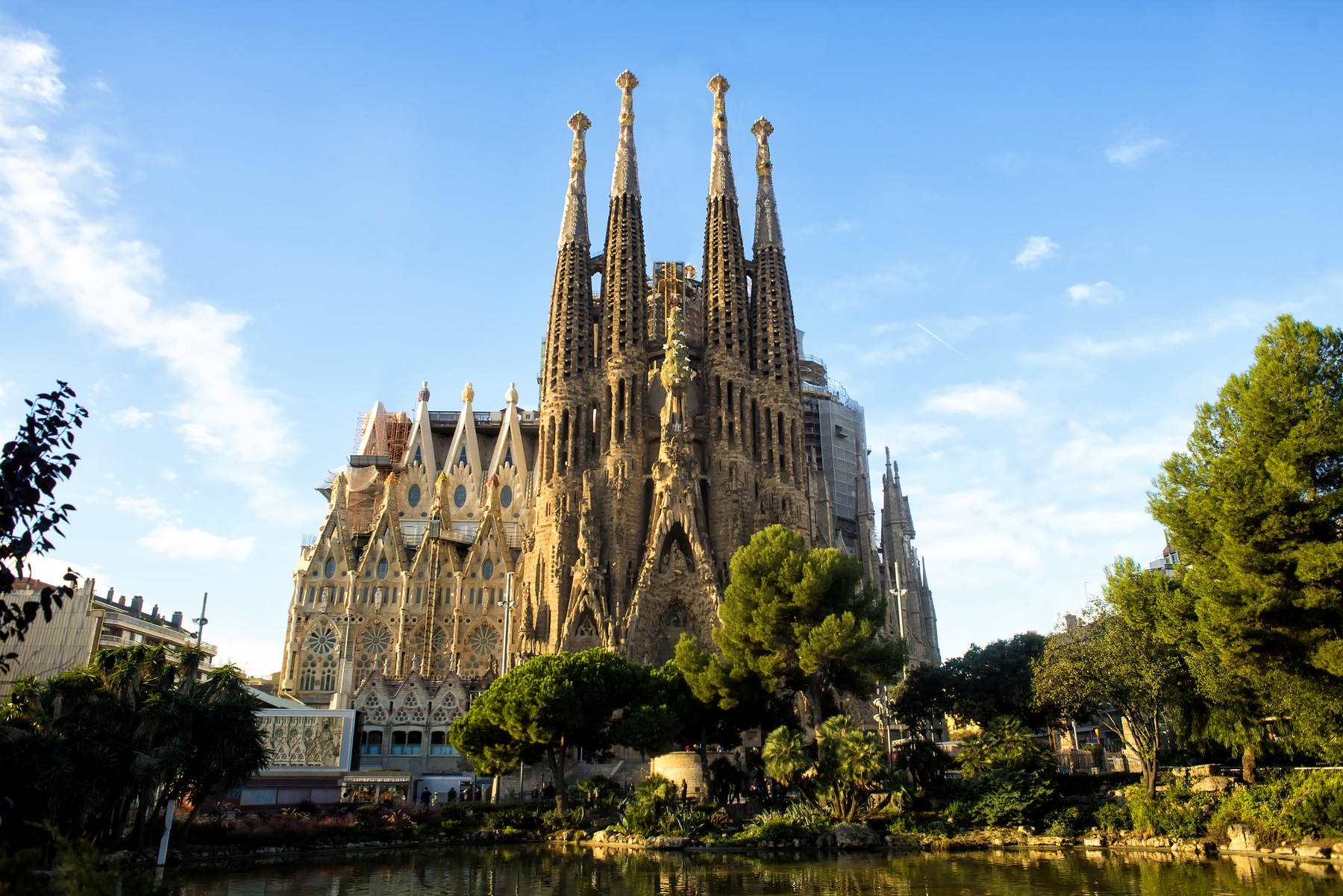
Barcelona, the cosmopolitan capital of Spain’s Catalonia region, is famed for its art and architecture. The fantastical Sagrada Família church and other modernist landmarks designed by Antoni Gaudí dot the city.
Key Attractions
Sagrada Família: Gaudí’s unfinished masterpiece, a basilica of unique design.
Park Güell: A public park system composed of gardens and architectural elements.
Gothic Quarter (Barri Gòtic): The heart of the old city with medieval buildings.
La Rambla: A bustling street famous for its street performers and markets.
Casa Batlló & La Pedrera: Other stunning examples of Gaudí’s work.
Practical Information
Best Time to Visit: May-June, September-October (pleasant weather).
Getting There: Barcelona-El Prat Airport (BCN) with connections worldwide.
Getting Around: Efficient metro, bus, and taxi services. Many areas are walkable.
Must-Try Food: Paella, Tapas, Crema Catalana.
Peñíscola
A stunning coastal town on the Costa del Azahar, Peñíscola is dominated by a historic castle perched on a rocky headland. It’s often called the “City in the Sea.”
Key Attractions
Papa Luna Castle (Castillo de Peñíscola): A fortress-palace with panoramic Mediterranean views.
Old Town: A maze of whitewashed houses and cobbled streets within the castle walls.
Beaches: Long stretches of sandy beaches like Playa Norte.
Parque Natural de la Sierra de Irta: A protected coastal mountain range for hiking.
Practical Information
Best Time to Visit: June or September for good weather and fewer crowds.
Getting There: Best reached by car or bus from Valencia or Barcelona (~2-3 hours).
Getting Around: The town is very walkable.
Must-Try Food: Fresh seafood, particularly fish stews and “all i pebre” (eel stew).
Valencia
Valencia is the birthplace of paella, a vibrant city where futuristic architecture coexists with a historic old town. It is situated on Spain’s eastern coast.
Key Attractions
City of Arts and Sciences (Ciudad de las Artes y las Ciencias): A futuristic cultural and architectural complex.
Valencia Cathedral: Houses what is claimed to be the Holy Grail.
Central Market (Mercado Central): One of Europe’s largest fresh food markets.
Turia Gardens: A long park in a former riverbed, perfect for cycling and walking.
La Lonja de la Seda: A UNESCO World Heritage site, a late Valencian Gothic civil building.
Practical Information
Best Time to Visit: March-May for the Fallas festival; April-October for beach weather.
Getting There: Valencia Airport (VLC) with many European connections. High-speed train (AVE) from Madrid and Barcelona.
Getting Around: Excellent bus and metro network. The city center is easily explored on foot or by bike.
Must-Try Food: Authentic Valencian Paella, Horchata with Fartons, Agua de Valencia (cocktail).
Granada
Nestled at the foot of the Sierra Nevada mountains, Granada is renowned for the magnificent Alhambra, a sprawling Moorish palace and fortress complex that is a testament to Spain’s Islamic history.
Key Attractions
The Alhambra and Generalife Gardens: A UNESCO World Heritage site and one of the most iconic examples of Islamic architecture in the world.
Albaicín (Albayzín): The old Moorish quarter, a maze of narrow streets and whitewashed houses with stunning views of the Alhambra.
Sacromonte: The traditional Gitano (Roma) neighborhood, famous for its cave dwellings and flamenco shows.
Granada Cathedral & Royal Chapel: The final resting place of Catholic Monarchs Ferdinand and Isabella.
Practical Information
Best Time to Visit: Spring (April-June) and Autumn (September-October).
Getting There: Federico García Lorca Granada-Jaén Airport (GRX), with better connections often via Málaga or Madrid. Well-connected by train and bus.
Getting Around: Local buses are efficient. The city center is very walkable but hilly.
Must-Try Food: Free tapas with drinks, Tortilla Sacromonte, Piononos (sweet pastry).
Important Note: Book Alhambra tickets WELL IN ADVANCE online, as they sell out.
Málaga
The capital of the Costa del Sol, Málaga is a vibrant port city with a rich history, being the birthplace of Pablo Picasso. It boasts a revitalized city center and a pleasant seaside promenade.
Key Attractions
Alcazaba: A well-preserved Moorish palace-fortress with beautiful gardens.
Roman Theatre: Located at the foot of the Alcazaba, dating from the 1st century BC.
Picasso Museum: Housing a significant collection of the artist’s work in his birthplace.
Málaga Cathedral: Nicknamed “La Manquita” (the one-armed lady) due to its unfinished south tower.
Atarazanas Market:A vibrant central market offering fresh produce and local delicacies.
Practical Information
Best Time to Visit: Year-round, though summer can be very hot. Spring and autumn are ideal.
Getting There: Málaga-Costa del Sol Airport (AGP) is a major international hub.
Getting Around:The city center is compact and walkable. Good public transport includes buses and a metro line.