Ultimate North Island New Zealand Road Trip
Auckland → Rotorua → Taupō → Napier → Wellington → Palmerston North → New Plymouth → Waitomo → Auckland
Introduction
This comprehensive travel guide covers one of New Zealand’s most popular road trip circuits, exploring the diverse landscapes, cultures, and attractions of the North Island. The journey spans approximately 1,500 kilometers and can be comfortably completed in 10-14 days, though longer stays are recommended to fully appreciate each destination.
Key Trip Information
Total Distance: ~1,500 km
Recommended Duration: 10-14 days
Best Time to Visit: October-April (summer/early autumn)
Transportation: Rental car or campervan recommended
Auckland: The City of Sails
Auckland, New Zealand’s largest city, is built on a volcanic landscape between two harbors. With a population of approximately 1.7 million, it serves as the primary international gateway and offers a blend of urban sophistication and natural beauty.
Major Attractions
Auckland Sky Tower: At 328 meters tall, this is the Southern Hemisphere’s tallest freestanding structure. The observation deck provides 360-degree views of the city and beyond. Adventurous visitors can try the SkyWalk around the tower’s perimeter or the SkyJump, a controlled base jump from 192 meters.
Waiheke Island: A 40-minute ferry ride from downtown Auckland, Waiheke is renowned for its vineyards, olive groves, and beautiful beaches. The island features over 30 wineries, with many offering restaurant-quality dining with vineyard views.
Auckland War Memorial Museum: Located in the Auckland Domain park, this museum offers comprehensive exhibits on New Zealand history, Māori and Pacific Island artifacts, and natural history displays.
Harbour Bridge Climb: For panoramic views of the Waitematā Harbour, guided climbs take visitors to the top of the Auckland Harbour Bridge. The more adventurous can try bridge climbing with the option to bungy jump.
Practical Information – Auckland
Accommodation: Range from luxury hotels in the CBD (average NZ$250-400/night) to mid-range options in Parnell or Ponsonby (NZ$150-250/night) and budget hostels (NZ$30-80/night).
Transportation: Public transport includes buses, trains, and ferries. An AT HOP card provides discounted fares. Rental cars are available at the airport and throughout the city.
Dining: The Viaduct Harbour and Britomart areas offer numerous dining options. Federal Street is known for its concentration of high-quality restaurants.
Recommended Stay: 2-3 days
Rotorua: Geothermal Wonderland
Located approximately 230 kilometers south of Auckland (3 hours drive), Rotorua is situated in the Taupō Volcanic Zone. The city is famous for its geothermal activity, Māori culture, and adventure tourism.
Major Attractions
Te Puia: This geothermal valley and Māori cultural center features the Pōhutu Geyser, which erupts up to 30 meters high multiple times daily. The site also includes the New Zealand Māori Arts and Crafts Institute, where visitors can observe traditional carving and weaving.
Wai-O-Tapu Thermal Wonderland: Located 27 kilometers south of Rotorua, this geothermal park features colorful hot springs, including the famous Champagne Pool with its orange, green, and yellow edges. The Lady Knox Geyser erupts daily at 10:15 AM.
Redwoods Treewalk: Elevated walkways suspended between California Redwood trees offer a unique perspective of the forest. At night, the walk transforms with artistic lantern installations.
Whakarewarewa Forest: Known as “The Redwoods,” this forest offers world-class mountain biking trails and walking paths among towering redwood trees planted in 1901.
Practical Information – Rotorua
Accommodation: Range from luxury lakefront lodges to holiday parks with thermal pools. Many accommodations offer private geothermal bathing.
Transportation: Rotorua is easily navigated by car. Free parking is available at many attractions. Local buses serve major tourist sites.
Dining: Try traditional Māori hangi (food cooked in an earth oven) at cultural experiences. The Eat Streat precinct offers numerous dining options.
Health Note: The sulfur smell from geothermal activity is noticeable but harmless.
Recommended Stay: 2-3 days
Taupō: Lake Adventures
Situated on the northern shore of Lake Taupō, New Zealand’s largest lake, this town offers stunning natural scenery and numerous adventure activities. The lake was formed by a massive volcanic eruption around 26,500 years ago.
Major Attractions
Huka Falls: Located just north of Taupō, these powerful waterfalls on the Waikato River discharge approximately 220,000 liters of water per second. Multiple viewing platforms provide excellent photo opportunities.
Tongariro Alpine Crossing: Often described as New Zealand’s best one-day hike, this 19.4-kilometer track passes through dramatic volcanic landscapes, including emerald lakes and active craters. The full crossing requires 6-8 hours and reasonable fitness.
Lake Taupō Cruises: Various cruise options are available, including visits to Māori rock carvings at Mine Bay that are only accessible by water. Some cruises include fishing or hot pool experiences.
Craters of the Moon: This geothermal walkway features steaming craters, bubbling mud pools, and other thermal activity. The boardwalk trail takes approximately 45-60 minutes to complete.
Practical Information – Taupō
Accommodation: Options range from luxury resorts to campgrounds. Many accommodations offer lake views.
Transportation: Central Taupō is walkable. A car is necessary for accessing attractions outside town.
Tongariro Crossing Transport: Shuttle services operate between Taupō and the track start/end points. Advance booking is essential during peak season.
Weather: Conditions can change rapidly, especially on the Tongariro Crossing. Check forecasts and carry appropriate clothing.
Recommended Stay: 2-3 days
Napier: Art Deco Capital
Located in Hawke’s Bay on the east coast, Napier is famous for its beautifully preserved Art Deco architecture resulting from reconstruction after a devastating earthquake in 1931. The city is also a prominent wine-producing region.
Major Attractions
Art Deco Walking Tour: Guided or self-guided tours explore Napier’s unique architectural heritage. The Art Deco Trust offers scheduled walks daily at 10 AM and 2 PM (additional tours during summer).
National Aquarium of New Zealand: Features a wide range of marine life with highlights including the Oceanarium tunnel walkthrough and kiwi bird enclosure.
Cape Kidnappers Gannet Colony: From November to February, thousands of gannets nest at this reserve. Access is possible via guided tour or walking during low tide (check tide times carefully).
Hawke’s Bay Wineries: The region is renowned for its Syrah, Chardonnay, and Bordeaux-style blends. Numerous cellar doors are located within easy driving distance of Napier.
Practical Information – Napier
Accommodation: Options include Art Deco-themed hotels, B&Bs, and motels. Many offer period-style decor.
Transportation: Central Napier is easily explored on foot. A car is recommended for visiting wineries and outlying attractions.
Events:The Art Deco Festival in February transforms the city with vintage cars, costumes, and entertainment.
Cape Kidnappers Access:The tidal walk requires careful planning around tide times. Alternative access includes guided tractor tours or helicopter flights.
Recommended Stay:2 days
Wellington: Capital Culture
New Zealand’s capital city, nestled between a picturesque harbor and surrounding hills, is known for its vibrant arts scene, coffee culture, and museums. Often called “Windy Wellington” due to its frequent strong winds.
Major Attractions
Te Papa Tongarewa: New Zealand’s national museum offers innovative interactive exhibits covering natural history, Māori culture, and national identity. Admission to permanent exhibits is free.
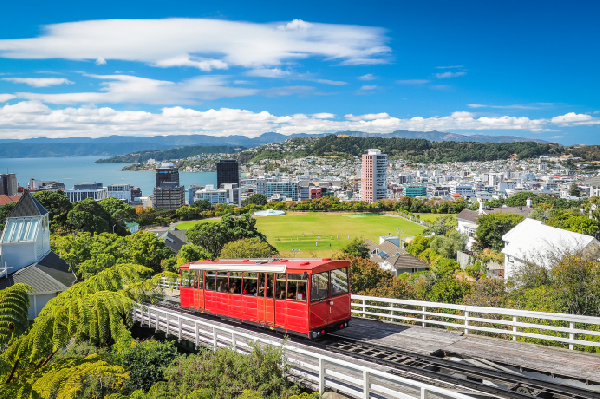
Wellington Cable Car: This historic funicular runs from Lambton Quay to Kelburn, offering panoramic city views. The top station includes a small museum and provides access to the Botanic Garden.
Weta Workshop: The special effects studio behind films like The Lord of the Rings and Avatar offers guided tours showcasing props, costumes, and behind-the-scenes processes.
Zealandia Eco-sanctuary: This protected valley sanctuary showcases New Zealand’s native wildlife in a predator-free environment. Night tours offer opportunities to see rare species like kiwi and tuatara.
Practical Information – Wellington
Accommodation: Range from luxury hotels to boutique B&Bs. Cuba Street and Te Aro areas offer convenient access to restaurants and nightlife.
Transportation:The compact city center is highly walkable. An extensive bus network serves outer suburbs. Parking can be challenging in central areas.
Coffee Culture:Wellington is renowned for its specialty coffee scene. Numerous independent cafés dot the city.
Weather:Be prepared for changeable conditions, including strong winds and rain, even in summer.
Recommended Stay:2-3 days
Palmerston North: University City
Located in the Manawatū region, Palmerston North (often called “Palmy”) is a university city with attractive parks and gardens. It serves as an agricultural research and education hub.
Major Attractions
The New Zealand Rugby Museum: Located at Te Manawa museum complex, this extensive collection traces the history of rugby in New Zealand, including significant artifacts from All Blacks history.
Victoria Esplanade:A extensive riverside park featuring rose gardens, a fernery, playgrounds, and a miniature railway operating on weekends.
The Manawatū Gorge Track:* This popular walking track (currently closed due to slips; check status before visiting) follows the Manawatū River through a scenic gorge with diverse native bush.