The Ultimate Travel Guide to a Budapest Danube River Cruise
Flowing majestically through the heart of the Hungarian capital, the Danube River is more than just a body of water; it is the lifeblood and the defining feature of Budapest. A cruise along this legendary river offers an unparalleled perspective of the city, famously dubbed the “Pearl of the Danube.” From this unique vantage point, passengers are treated to a living panorama of history, architecture, and urban life, witnessing the seamless blend of the hilly, historic Buda with the vibrant, flat Pest. This guide provides a comprehensive overview for any traveler looking to experience the magic of a Budapest Danube River cruise.
Why a Danube Cruise is a Must-Do Experience
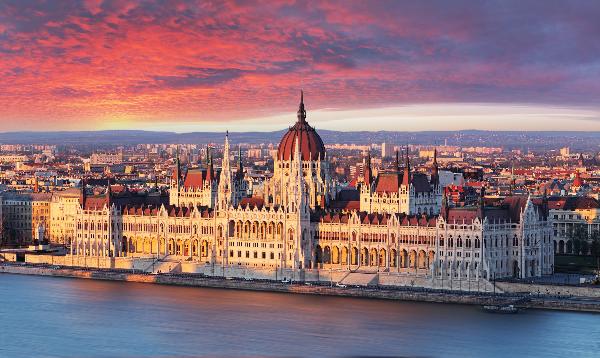
A Danube River cruise is arguably the quintessential Budapest experience. It allows visitors to comprehend the city’s scale and grandeur in a way that walking or driving cannot. The cruise path gracefully navigates between two UNESCO World Heritage Sites: the Buda Castle Quarter and the Banks of the Danube, which include the Hungarian Parliament Building and Andrássy Avenue. The view of the Parliament Building, especially when illuminated at night, reflecting gold upon the water, is an image that defines a trip to Budapest for many. Whether under the bright sun, during the “golden hour,” or under a blanket of stars, the river reveals a different, yet always captivating, personality.
Types of Danube Cruises Available
Budapest offers a wide array of cruise options to suit every preference, schedule, and budget. Understanding the differences is key to choosing the perfect experience.
Daytime Sightseeing Cruises
These cruises, typically lasting 60 to 90 minutes, are ideal for first-time visitors. They provide excellent photo opportunities and a narrated history of the iconic landmarks lining the riverbanks. The commentary, available in multiple languages via headphones or loudspeakers, offers valuable context to the stunning visuals.
Evening or Night Cruises
This is often considered the crown jewel of Danube experiences. As dusk falls, Budapest undergoes a breathtaking transformation. The city’s major monuments, including the Castle, the Chain Bridge, the Parliament, and the Gellért Baths, are dramatically illuminated. A night cruise showcases this spectacular “light painting,” creating a truly romantic and unforgettable atmosphere. Many evening cruises include a complimentary drink, such as a glass of Hungarian sparkling wine, beer, or a soft drink.
Dinner Cruises
For those seeking a more luxurious and comprehensive experience, dinner cruises combine fine dining with sightseeing. Lasting 2-3 hours, these cruises typically feature a buffet or a set menu with a selection of Hungarian and international dishes, live music (often traditional Gypsy or Hungarian folk music), and an open bar. It’s a perfect option for a special occasion.
Specialty Cruises
Cocktail or Party Cruises: Aimed at a younger crowd, these cruises feature a DJ, vibrant music, and a lively party atmosphere on the water.
Seasonal Cruises: During Christmas and New Year’s Eve, special cruises are offered. The Christmas markets along the banks add a festive charm, while the New Year’s Eve fireworks display over the Danube is legendary and best viewed from a boat.
Private Boat Tours: For ultimate flexibility and privacy, travelers can charter smaller private boats for personalized tours.
Key Landmarks Visible from the Cruise
The cruise route is a continuous parade of Budapest’s most famous sights. Here’s what to look out for, from north to south (the typical direction).
The Hungarian Parliament Building
An iconic symbol of Budapest and Hungary, this neo-Gothic masterpiece is the third-largest parliament building in the world. Its intricate facade, adorned with 88 sculptures, and its majestic dome are breathtaking from the river. The sight of it glowing at night is simply sublime.
Buda Castle and Castle Hill
Dominating the Buda skyline, the sprawling Royal Palace complex houses the Hungarian National Gallery and the Budapest History Museum. The funicular leading up to it is also visible. The district behind it is a labyrinth of medieval streets and baroque buildings.
The Chain Bridge
Budapest’s first permanent stone bridge connecting Buda and Pest, the Chain Bridge is a monumental feat of engineering and a beloved city symbol. Sailing directly under its arches is a highlight of any cruise.
Matthias Church and Fisherman’s Bastion
Located on Castle Hill, the colorful tiled roof of Matthias Church and the fairytale-like turrets of Fisherman’s Bastion create a picturesque ensemble. The Bastion offers one of the best panoramic views of Pest, which you will be experiencing in reverse from the boat.
Gellért Hill and the Liberty Statue
Rising sharply from the riverbank, Gellért Hill is crowned by the Liberty Statue, holding a palm leaf aloft. At its base sits the famous Gellért Baths, an Art Nouveau jewel. The hill itself is a natural landmark with significant historical importance.
Margaret Island
A long, slender island in the middle of the Danube, Margaret Island is Budapest’s recreational oasis. Cruises often pass by its northern and southern tips, offering glimpses of its gardens, musical fountain, and historic ruins.
The Shoes on the Danube Bank
A powerful and somber memorial. Sixty pairs of iron shoes are fixed to the riverbank, honoring the Jews who were shot and fell into the Danube during World War II. It’s a poignant reminder of the city’s tragic history.
Food and Drink on Board
The culinary experience on a Danube cruise varies greatly depending on the type of tour selected.
Sightseeing Cruises: Usually offer a cash bar where you can purchase local beers (like Dreher or Borsodi), wines (Tokaji or Egri Bikavér), and soft drinks. Some include one complimentary drink.
Dinner Cruises: These feature extensive menus. A typical Hungarian buffet might include:
Goulash Soup (Gulyásleves): A hearty meat and vegetable soup, not to be confused with the stew.
Chicken Paprikash (Csirkepaprikás): Tender chicken in a rich paprika-infused sour cream sauce, often served with dumplings (nokedli).
Stuffed Cabbage (Töltött Káposzta): Cabbage leaves filled with a mixture of pork mince and rice, cooked in a tomato-based sauce.
Dobos Torte or Somlói Galuska: Classic Hungarian desserts for a sweet finish.
It is advisable to book dinner cruises well in advance, especially during peak season, and to inform the company of any dietary restrictions.
Booking Your Cruise: Practical Tips
When to Book: It is highly recommended to book online in advance through reputable companies. This guarantees your spot, often at a discounted rate, and allows you to compare options. Walk-up tickets are available at dockside booths but can sell out, particularly for popular evening slots.
Departure Points: Most cruises depart from piers located along the Pest side of the river, between the Elizabeth Bridge and the Chain Bridge. The exact pier number will be specified on your ticket.
Best Time to Go: Spring (April-May) and Autumn (September-October) offer pleasant weather and beautiful colors. Summer cruises are popular but can be crowded. Winter cruises provide a unique, cozy perspective and views of the Christmas markets.
What to Bring: Even in summer, it can be chilly on the water, so bring a light jacket or sweater. Don’t forget your camera! For daytime cruises, sunscreen and a hat are essential. Ensure your phone or camera is fully charged for night cruises.
Accessibility: Most larger cruise boats are wheelchair accessible, but it is crucial to confirm this with the operator at the time of booking.
Getting to the Departure Piers
The departure piers are centrally located and easily accessible by various modes of public transport.
By Metro: The M2 (red) line is the most convenient. Get off at Kossuth Lajos tér for piers near the Parliament or at Vörösmarty tér for piers further south.
By Tram: Tram line 2 runs along the Pest embankment and is one of Europe’s most scenic tram lines. It stops at multiple points near all major piers.
By Bus: Several bus lines serve the area around Vigadó tér and Elizabeth Bridge.
On Foot: If you are staying in the city center (District V), the piers are generally within a pleasant 10-20 minute walk.
Accommodation Tips with River Views
To extend your Danube experience, consider staying at a hotel with a river view. Waking up to the sight of the Parliament or Buda Castle is a memorable part of any trip.
Luxury: The Four Seasons Hotel Gresham Palace offers an unbeatable location at the foot of the Chain Bridge with stunning Art Nouveau architecture. The InterContinental Budapest also provides spectacular, direct views of the river and Castle Hill.
Mid-Range: Hotels like the Danubius Hotel Astoria City Center or the K&K Hotel Opera are excellent choices with good access to both the river and other city attractions.
Budget-Friendly: While direct river views are less common in this category, many hostels and apartments in Districts V, VI, and VII are within easy walking distance of the piers. Look for accommodations near Deák Ferenc tér, the city’s main transport hub.
Tip: When booking, filter for “river view” and carefully check the hotel’s location on a map to confirm its proximity to the Danube.
Cultural Insights and Etiquette
A Danube cruise is not just a tour; it’s an immersion into Hungarian culture and history.
A River of History: The Danube has been a witness to both triumph and tragedy—from the Ottoman occupation to the devastating floods of 1838, from the prosperity of the Austro-Hungarian Empire to the battles of World War II and the 1956 Uprising. The landmarks you see tell these stories.
Tipping: Tipping is customary in Hungary. For good service on a dinner cruise or at the bar on a sightseeing cruise, rounding up the bill or leaving 10-15% is appreciated.
The “Magyar” Spirit: Hungarians are proud of their unique language and culture, which is distinct from their Slavic, Germanic, and Latin neighbors. A simple “thank you” (“köszönöm”, pronounced ‘kur-sur-nurm’) goes a long way.
Respectful Behavior: While the atmosphere on most cruises is relaxed and festive, it is important to maintain a respectful demeanor when passing by memorials like the Shoes on the Danube Bank.
A Sample One-Day Itinerary Incorporating a Cruise
Morning: Explore Castle Hill on the Buda side. Visit Matthias Church, walk along Fisherman’s Bastion for panoramic photos, and explore the grounds of Buda Castle.
Lunch: Enjoy a traditional Hungarian lunch at a restaurant in the Castle District.
Afternoon: Cross the Chain Bridge into Pest. Visit St. Stephen’s Basilica to see its magnificent interior and the Holy Right Hand relic. Then, take a guided tour of the Parliament Building (book tickets far in advance).
Evening: This is the climax of your day. Head to the pier for an evening dinner cruise. Enjoy a Hungarian meal while watching the city light up around you—a perfect end to a day in Budapest.
Late Evening: After your cruise, take a leisurely stroll along the illuminated riverbanks or enjoy a nightcap at a “ruin pub” in the Jewish Quarter.
Conclusion
A journey along the Danube River is more than a simple boat trip; it is an essential narrative thread in understanding Budapest. It connects the city’s historic halves, illuminates its architectural splendors, and reflects its vibrant soul. From capturing that perfect photograph of the Parliament to feeling the romance of a starlit sky over Castle Hill, a Danube cruise offers moments of pure magic that will remain etched in memory long after your visit has ended. It is an experience that truly captures why Budapest is considered one of Europe’s most beautiful cities.