The Ultimate Travel Guide: Reykjavik to the Volcanic Eruption Zone and Back
Iceland, the land of fire and ice, offers one of the most dynamic and awe-inspiring travel experiences on Earth. At the heart of this experience is the capital, Reykjavik, which serves as the perfect gateway to the country’s volatile and magnificent volcanic landscapes. This guide provides a comprehensive journey from the cosmopolitan charm of Reykjavik to the raw, primal power of an active volcanic eruption zone, and back again, covering everything a traveler needs to know.
Part 1: Reykjavik – The Northernmost Capital
Reykjavik, a vibrant and colorful city, blends modern Scandinavian culture with a deep-seated connection to nature and history. It is the cultural, economic, and governmental heart of Iceland, where most journeys begin and end.
Key Attractions in Reykjavik
Hallgrímskirkja Church: This iconic Lutheran parish church, towering over the city center, is one of Iceland’s tallest structures. Its unique architecture is inspired by the basalt lava flows common in Iceland’s landscape. Visitors can take an elevator to the top for a panoramic view of the city’s colorful rooftops, the sea, and the distant mountains.
Harpa Concert Hall and Conference Centre: A masterpiece of contemporary architecture, Harpa’s honeycombed glass facade reflects the sky and harbor, creating a dazzling light show. It is home to the Icelandic Symphony Orchestra and the Icelandic Opera. Even without attending a show, walking through its interiors is a captivating experience.
Perlan (The Pearl): Situated on Öskjuhlíð hill, Perlan offers a 360-degree viewing platform with unparalleled views. It houses natural history exhibits, including an artificial ice cave, and a museum that explores Iceland’s natural wonders.
The Sun Voyager (Sólfar): This striking stainless steel sculpture by Jón Gunnar Árnason resembles a Viking longship but is officially an “ode to the sun.” Located by the seaside, it is a popular spot for photography, especially at sunset.
The National Museum of Iceland: For those interested in the country’s history and culture, this museum provides a thorough overview from the Viking settlement age to the modern day, featuring artifacts like medieval wooden carvings and Viking-age weapons.
Food and Dining in Reykjavik
Reykjavik’s food scene has exploded in recent years, moving far beyond traditional fare to become a destination for foodies.
Traditional Icelandic Cuisine: For the adventurous eater, samples of traditional foods like hákarl (fermented shark), plokkfiskur (fish stew), and kjötsúpa (lamb soup) can be found at restaurants such as Íslenski Barinn or Café Loki.
The Hot Dog Stand (Bæjarins Beztu Pylsur): A legendary institution, this hot dog stand has served everyone from Bill Clinton to Kim Kardashian. Order one “eina með öllu” (with everything) – a delicious blend of lamb, pork, and beef with crispy onions, raw onions, ketchup, sweet mustard, and remoulade.
New Nordic Fine Dining: Reykjavik boasts several world-class restaurants. Dill Restaurant, Iceland’s first Michelin-starred establishment, offers a seasonal tasting menu based on traditional Icelandic ingredients. Other notable mentions include Grillmarkaðurinn (Grill Market) and Matarkjallarinn (Food Cellar).
Coffee Culture: Icelanders are serious about their coffee. The city is dotted with excellent coffee shops like Reykjavik Roasters and Kaffibrennslan, perfect for a cozy break.
Accommodation in Reykjavik
Reykjavik offers a wide range of accommodations to suit all budgets.
Luxury: Hotels like Canopy by Hilton Reykjavik City Centre and The Reykjavik EDITION offer top-tier amenities and prime locations.
Mid-Range: Boutique hotels such as Alda Hotel and Room With A View provide excellent service and comfort without the luxury price tag.
Budget: For backpackers and budget-conscious travelers, hostels like Kex Hostel and Loft Hostel are social hubs with great atmospheres.
Cultural Insights: Reykjavik Vibe
Reykjavik is surprisingly small and walkable, with a population of just over 130,000. The culture is characterized by a fierce sense of independence, creativity, and a deep respect for nature. The weekend nightlife is famously vibrant, starting late and lasting into the early hours. Icelanders are generally reserved but friendly and helpful. Tipping is not customary, as service charges are included in all prices.
Part 2: The Journey to the Volcanic Eruption Zone
Iceland is one of the most volcanically active places on Earth. When an eruption occurs, it becomes a major attraction. However, visiting an active volcano requires careful planning, respect for nature, and a focus on safety. The specific location of eruptions changes; recent events have primarily been on the Reykjanes Peninsula.
Understanding Volcanic Activity in Iceland
The Reykjanes Peninsula, where Keflavik International Airport is located, entered a new period of volcanic activity in 2021 after 800 years of dormancy. Eruptions here are typically fissure eruptions, characterized by fountains of lava rather than large explosive events. Conditions and accessibility change daily.
How to Visit Safely and Responsibly
Safety is the absolute priority. Volcanic areas are unpredictable. Toxic gases, new fissures, lava flow changes, and unstable ground are real dangers.
Check Official Sources: Before any attempt to visit, consult the Icelandic Meteorological Office (vedur.is) and the Department of Civil Protection and Emergency Management (safetravel.is) for the latest gas pollution forecasts, weather, and area closures.
Never Go Alone or Unprepared: The terrain is rough and treacherous. Hikes can be long (10-20 km round trip) and demanding.
Hire a Certified Guide: This is the most highly recommended option. Guides know the safest routes, are trained in first aid, and understand the evolving hazards. Numerous tour companies from Reykjavik offer guided hikes to eruption sites.
Essential Gear: Sturdy hiking boots, waterproof and windproof layers, a headlamp, plenty of water and high-energy snacks, a gas mask/respirator (for sulfur dioxide gases), and a fully charged phone.
The Experience of a Lifetime
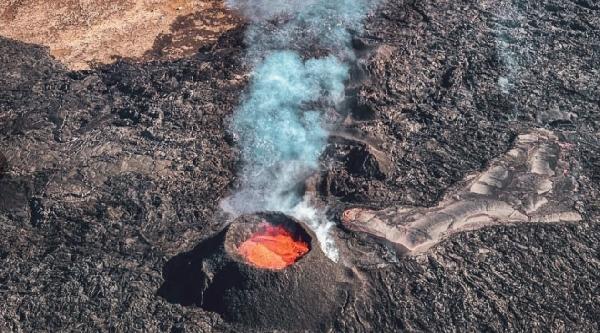
Witnessing an active volcanic eruption is a profoundly humbling and exhilarating experience. The sensory overload is immense: the intense heat radiating from the lava, the roaring sound of the fountains, the sharp smell of sulfur, and the mesmerizing sight of molten rock slowly carving new land. The contrast of the red-hot lava against the often dark Icelandic sky creates a spectacle that is both beautiful and terrifying.
Tours and Transportation from Reykjavik
Most visitors access the eruption sites via organized tours or by driving to designated parking areas and hiking from there.
Guided Hiking Tours: Companies like Icelandic Mountain Guides, Arctic Adventures, and Volcano Tours offer day trips from Reykjavik. This includes transportation to the trailhead, a certified guide, and necessary safety equipment.
Super Jeep Tours: For a more adventurous (and expensive) approach, Super Jeeps can navigate rougher terrain, getting you closer to the eruption site and reducing hiking time.
Helicopter Tours: For a truly breathtaking perspective, a helicopter tour provides an aerial view of the lava flows and craters. This is the safest way to view the eruption from above but is also the most costly.
Self-Driving: Only for the very experienced and well-prepared. You must rent a capable vehicle, meticulously monitor official sources, park only in designated areas, and be prepared for a strenuous and potentially dangerous hike. This option is generally not advised without local knowledge.
Part 3: The Return to Reykjavik – Relaxation and Reflection
After the intense experience of the volcano, returning to Reykjavik offers a chance to relax, process the journey, and enjoy some well-deserved comfort.
Soothe Your Muscles: The Blue Lagoon and Sky Lagoon
A visit to a geothermal spa is the perfect way to unwind after a long hike.
The Blue Lagoon: Located on the Reykjanes Peninsula near the airport, this world-famous spa is known for its milky-blue, mineral-rich geothermal seawater. While it’s a popular tourist destination, its otherworldly atmosphere and skin-healing properties make it a unique experience. Pre-booking is essential.
The Sky Lagoon: Closer to Reykjavik, Sky Lagoon offers a more modern and dramatic experience with an infinity-edge view over the North Atlantic Ocean. Its “7-Step Ritual” includes a cold plunge, sauna, and body scrub for a complete rejuvenation.
Culinary Recovery
Enjoy a hearty meal to replenish your energy. Reykjavik’s restaurants are ready to serve everything from a comforting bowl of lamb soup to a celebratory multi-course feast. Sharing stories of the volcanic adventure with fellow travelers in a cozy restaurant is a quintessential part of the experience.
A Final Cultural Immersion
Spend your last evening strolling through the old harbor, visiting a local pub to listen to live Icelandic music, or simply reflecting on the powerful demonstration of nature’s force you have witnessed. The contrast between the urban comfort of Reykjavik and the raw wilderness just beyond its borders encapsulates the very essence of Iceland.
Practical Information Summary
Best Time to Visit
The volcanic activity itself is not seasonal. However, accessibility is greatly affected by weather. Summer (June-August) offers 24-hour daylight (Midnight Sun), warmer temperatures, and generally easier hiking conditions. Winter (October-March) presents extreme challenges with limited daylight, snow, ice, and fierce storms, making any visit to an eruption site significantly more dangerous.
Budgeting for the Trip
High Cost: Iceland is an expensive country. Budget accordingly for accommodation, food, and tours.
Guided Volcano Hike: Expect to pay between $150 – $300 USD per person.
Helicopter Tour: A significant investment, typically starting from $500 per person for a shorter flight.
Accommodation & Food: A mid-range hotel room can cost $200-$400 per night. A main course at a mid-range restaurant is typically $30-$50.
Packing Essentials
Base Layers: Merino wool or synthetic thermal underwear.
Mid Layers: Fleece or down jacket for insulation.
Outer Layer: Waterproof and windproof jacket and pants (Gore-Tex or equivalent).
Footwear: Sturdy, waterproof, ankle-supporting hiking boots are non-negotiable for volcano hikes.
Accessories: Hat, gloves, buff or scarf, swimsuit (for lagoons), reusable water bottle.
A Final Note on Respect
The volcanic landscapes of Iceland are fragile and sacred. Travelers must adhere to the principle of “
“Þetta reddast”” (it will all work out) but with preparation and respect. Stay on marked paths where they exist, do not litter, do not attempt to walk on or touch fresh lava (it is extremely dangerous), and always follow the instructions of authorities and guides. By doing so, you help preserve this incredible land for future generations while having the adventure of a lifetime.