The Ultimate Travel Guide: Naples to the Amalfi Coast and Back
This guide provides a comprehensive overview for travelers exploring the vibrant city of Naples and the breathtaking Amalfi Coast. It covers essential information on attractions, cuisine, transportation, accommodation, and cultural nuances to help plan a memorable journey through this iconic region of Southern Italy.
Introduction to the Region
The journey from Naples to the Amalfi Coast is a passage through the heart of Campania, a region celebrated for its dramatic landscapes, historical depth, and culinary excellence. Naples, a raw and passionate city, serves as the gateway to this adventure, offering a stark contrast to the serene, cliff-side villages of the Amalfi Coast. This itinerary allows travelers to experience the full spectrum of Southern Italian life, from bustling urban centers to idyllic coastal retreats.
Naples: The Vibrant Gateway
Naples (Napoli) is a city of intense emotions, ancient streets, and unparalleled historical significance. It is the birthplace of pizza and a UNESCO World Heritage site, where life is lived loudly and passionately in the shadow of Mount Vesuvius.
Top Attractions in Naples
Historic Centre (Centro Storico): A UNESCO site, this labyrinth of narrow alleys is home to stunning churches, vibrant markets, and a palpable sense of history. Key sites include the Naples Cathedral (Duomo), which houses the vial of San Gennaro’s blood, and the Santa Chiara Cloister, known for its beautiful majolica-tiled courtyard.
National Archaeological Museum (MANN): One of the world’s most important museums for classical art and archaeology. It holds an extensive collection of Roman artifacts from Pompeii and Herculaneum, including mosaics, frescoes, and the Farnese Marbles.
Capodimonte Museum and Park: Housed in a former royal palace, this museum features a superb collection of Italian art, including works by Titian, Caravaggio, and Raphael. The surrounding park offers a peaceful escape from the city bustle.
Underground Naples (Napoli Sotterranea): A fascinating tour through 2,400-year-old Greek-Roman aqueducts and tunnels, offering a unique perspective on the city’s layered history.
Castel dell’Ovo: The city’s oldest castle, situated on the seafront in the Borgo Marinari district. It offers panoramic views of the Bay of Naples and Mount Vesuvius.
Naples Food & Drink
Neapolitan cuisine is hearty, simple, and deeply flavorful. The city is the undisputed home of pizza.
Pizza Margherita: The original pizza, invented at Pizzeria Brandi in 1889. Look for the “Vera Pizza Napoletana” certification for an authentic experience. Top pizzerias include Sorbillo, Da Michele, and Di Matteo.
Street Food: Don’t miss frittatina (a fried pasta ball), cuoppo (a paper cone filled with fried seafood or vegetables), and sfogliatella (a shell-shaped pastry filled with sweet ricotta).
Pasta: Try Spaghetti alle Vongole (with clams) or Ragù Napoletano, a rich, slow-cooked meat sauce.
Coffee: Naples has a strong coffee culture. A caffè sospeso (a “suspended coffee” paid for in advance for someone less fortunate) is a beautiful local tradition.
Getting Around Naples
The city has an extensive, if sometimes chaotic, public transport network. The metro system (Linea 1 and 2) is efficient for connecting key areas. Buses and funiculars are useful for reaching hillside neighborhoods like Vomero. For short distances in the historic center, walking is the best option. Be aware of traffic and vigilant with personal belongings.
Where to Stay in Naples
Historic Centre: Ideal for first-time visitors who want to be steps away from major sights, restaurants, and vibrant street life.
Chiaia: A more upscale and elegant neighborhood with high-end shopping, seafront promenades, and stylish hotels.
Vomero: A residential hilltop district offering tranquility, beautiful views, and easy access to Castel Sant’Elmo and the San Martino Museum.
The Journey to the Amalfi Coast
The transition from Naples’ urban energy to the Amalfi Coast’s coastal splendor is part of the adventure. The journey itself offers stunning vistas.
Transportation Options
Train + SITA Bus: The most common and cost-effective method. Take the Circumvesuviana train from Napoli Centrale or Piazza Garibaldi station to Sorrento (approx. 1 hour). From Sorrento’s bus station, take the SITA Sud bus along the coast. This bus ride is famous for its dramatic views but can be crowded in peak season.
Ferry: A scenic and relaxing alternative. Ferries depart from Naples’ Molo Beverello port to Positano, Amalfi, and Capri (seasonal). It provides a unique perspective of the coast from the water and avoids traffic.
Private Car or Taxi: Offers flexibility and comfort but is expensive. The coastal road (SS163) is narrow and winding; parking is extremely difficult and costly in all towns.
Car Rental: Generally not recommended for exploring the coast itself due to traffic and parking nightmares. It can be useful for exploring inland areas like the Cilento region.
The Amalfi Coast: A Mediterranean Dream
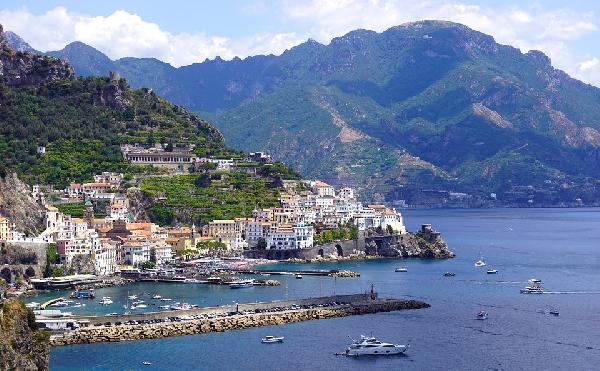
The Amalfi Coast (Costiera Amalfitana) is a 50-kilometer stretch of coastline renowned for its extraordinary beauty, with pastel-colored villages clinging to steep cliffs above turquoise waters.
Key Towns and Attractions
Positano
The iconic vertical town, cascading down the cliffside to a small beach. It’s known for its chic atmosphere, designer boutiques, and stunning vistas.
Spiaggia Grande: The main beach, perfect for people-watching and renting a sun lounger.
Path of the Gods (Sentiero degli Dei): The trailhead is accessible from Positano. This world-famous hike offers unparalleled views of the coastline.
Church of Santa Maria Assunta: Famous for its majolica-tiled dome and the Byzantine icon of the “Black Madonna.”
Amalfi
The historic maritime republic that gives the coast its name. It has a more open layout compared to Positano and a rich history.
Amalfi Cathedral (Duomo di Sant’Andrea): The stunning 9th-century cathedral with a striking Arab-Norman facade and a grand staircase.
Paper Museum (Museo della Carta): Housed in an ancient paper mill, it details Amalfi’s historic paper-making industry.
Valley of the Mills (Valle dei Mulini): A scenic walk through a lush valley with ruins of old paper mills.
Ravello
Perched high in the mountains above Amalfi, Ravello is an oasis of calm and culture, known for its exquisite gardens and classical music concerts.
Villa Cimbrone: Famous for its “Terrace of Infinity,” which offers one of the most spectacular views on the entire coast.
Villa Rufolo: Its beautiful gardens inspired Wagner’s opera “Parsifal” and now host the renowned Ravello Festival.
Other Notable Stops
Praiano & Furore: Quieter villages ideal for escaping the crowds. Praiano offers beautiful sunsets, while Furore is home to a stunning fjord.
Atrani: A tiny fishing village just a 15-minute walk from Amalfi, with a charming square and beach.
Emerald Grotto (Grotta dello Smeraldo): A sea cave near Conca dei Marini where light filters through an underwater cavity, illuminating the water in an emerald green hue.
Amalfi Coast Food & Drink
The cuisine here is lighter than in Naples, focusing on fresh seafood, citrus, and vegetables grown on terraced gardens.
Seafood: Freshly caught fish is a staple. Try Scialatielli ai Frutti di Mare (fresh ribbon pasta with seafood) or grilled whole fish.
Sfuso Wine: Sample local wine sold “sfuso” (on tap) from small shops. Look for wines from the Tramonti hills.
Limoncello: The coast is famous for its large, sweet Sfusato Amalfitano lemons. This sweet lemon liqueur is a must-try digestivo.
Delizia al Limone: A signature dessert—a soft lemon sponge cake filled and covered with lemon cream.
Getting Around the Amalfi Coast
The primary mode of public transport is the SITA Sud bus network, which connects all major towns along the SS163 road. It is reliable but can be extremely crowded. Ferry services between towns are highly recommended for their speed, comfort, and scenic value, though they are more expensive and weather-dependent. Taxis are available but are a premium service. Walking is a pleasure in the smaller towns but involves many stairs and steep inclines.
Where to Stay on the Amalfi Coast
Positano: Best for a luxurious, romantic stay with high-end hotels and breathtaking views. Be prepared for many stairs.
Amalfi:A good base for exploring due to its central location and better transport links. Offers a range of accommodations and more practical amenities.
Ravello: Ideal for peace, quiet, and culture lovers. Offers cooler temperatures but requires a bus ride to reach the sea.
Sorrento: While not technically on the Amalfi Coast, it’s a popular and more affordable base with excellent ferry and bus connections to the coast and Pompeii.
The Return to Naples
The return journey to Naples follows the same routes in reverse. Travelers should plan their departure from the Amalfi Coast carefully, especially if they have a flight to catch from Naples International Airport (NAP). Allowing at least 3-4 hours for the return trip is advisable to account for potential traffic or transport delays.
Crucial Cultural Insights & Practical Tips
“La Dolce Vita” vs. “La Dolce Far Niente”
The pace of life slows dramatically as you move from Naples to the coast. Embrace “il dolce far niente”—the sweetness of doing nothing. Be patient with service, as meals are meant to be lingered over, and schedules are often fluid.
Aperitivo & Passeggiata
Join the locals in the early evening for an aperitivo (a pre-dinner drink often served with snacks) and a passeggiata (a leisurely stroll through the main streets or piazzas). This is a cherished social ritual.
Siesta & Opening Hours
Many smaller shops, especially in coastal towns and outside major city centers, close for a few hours in the afternoon (roughly 1:00 PM to 4:00 PM). Plan your shopping and sightseeing accordingly.
Sustainable Travel Tips
Avoid Overtourism: Visit popular sites early in the morning or late in the afternoon. Consider traveling in the shoulder seasons (April-May, September-October).
Support Local: Eat at family-run trattorias (“osterie”) and buy from local artisans rather than souvenir chains.
Respect the Environment: Use reusable water bottles (tap water is generally safe to drink in Naples) and dispose of trash properly. The health of the Mediterranean Sea is fragile.
Sensible Footwear: This cannot be overstated. Cobblestone streets, steep hills, and countless stairs demand comfortable, sturdy shoes.
Cautious with Valuables: Be vigilant against pickpocketing in crowded areas like Naples’ metro, train stations, and popular tourist spots. Use a money belt or cross-body bag.
A Sample 7-Day Itinerary
Day 1-3: Naples. Explore the historic center, visit MANN, see Pompeii/Herculaneum as a day trip, and indulge in the city’s food scene.
Day 4: Travel to Amalfi Coast. Take a morning ferry to Positano. Settle in, explore the town’s winding paths, and enjoy the beach.
Day 5: Path of the Gods & Positano. Hike the Path of the Gods from Bomerano to Nocelle, then descend to Positano. Relax in the afternoon.
Day 6: Amalfi & Ravello. Take a ferry or bus to Amalfi to see the Duomo. Then, take a bus up to Ravello to visit Villa Cimbrone and Villa Rufolo.
Day 7: Return to Naples & Departure. Take a morning ferry or bus/train combination back to Naples for your flight home.
A Note on Day Trips: Pompeii & Herculaneum
A trip to this region would be incomplete without visiting the archaeological sites of Pompeii and Herculaneum. Both were buried by the eruption of Mount Vesuvius in 79 AD, preserving them in time. Pompeii is larger and offers a more comprehensive view of an ancient Roman city. Herculaneum is smaller but better preserved, with intact wooden elements and two-story buildings. Both are easily accessible via the Circumvesuviana train line from Naples and make for an unforgettable day trip.
A journey from Naples to the Amalfi Coast is an immersion into some of Italy’s most powerful contrasts—ancient history and modern vitality, urban grit and coastal serenity. With careful planning and an open mind, it becomes an unforgettable adventure that captures the very essence of Southern Italy.