The Ultimate Nordic & Icelandic Adventure: A Comprehensive Travel Guide
This guide details an epic journey through the heart of Northern Europe, combining the historic cities and scenic landscapes of Germany, Denmark, Sweden, Norway, and Finland with the otherworldly natural wonders of Iceland. The itinerary covers a rich tapestry of cultures, cuisines, and breathtaking geology.
Part 1: The Continental Circuit: Hamburg to Oslo
Hamburg, Germany
Often the starting point for this Nordic adventure, Hamburg is Germany’s grand maritime gateway. This vibrant city offers a blend of historic architecture and modern urban life.
Attractions: Explore the stunning Elbphilharmonie concert hall for its architecture and panoramic city views. Wander through the historic Speicherstadt, the world’s largest warehouse district, a UNESCO World Heritage site with its red-brick buildings and canals. Visit the HafenCity for a glimpse of innovative urban development.
Food & Drink: Sample fresh fish sandwiches at the Fischmarkt (especially lively on Sunday mornings). Enjoy traditional German cuisine in a cozy pub, and don’t miss trying a local Astra beer.
Transportation: Hamburg Airport (HAM) is well-connected internationally. The city has an excellent public transport system (U-Bahn, S-Bahn). The main train station, Hamburg Hauptbahnhof, offers connections to Denmark and beyond.
Cultural Insight: Hamburg’s identity is deeply tied to its port, one of the largest in Europe. This has fostered a cosmopolitan and open-minded culture.
Copenhagen, Denmark
A short train or bus ride from Hamburg brings you to the Danish capital, a city renowned for its cycling culture, design aesthetic, and “hygge” (coziness).
Attractions: Take a picture with the iconic Little Mermaid statue. Spend a day at the free-spirited Freetown Christiania. Visit the amusement park Tivoli Gardens, especially magical at night. Explore the colorful canal of Nyhavn and see the changing of the guard at Amalienborg Palace.
Food & Drink: Try the famous open-faced sandwiches, smørrebrød. Indulge in a Danish pastry from a local bakery. For a unique experience, visit Torvehallerne market for diverse food stalls. Don’t forget to try a hot dog from a street vendor.
Transportation: Copenhagen Airport (CPH) is a major hub. The city is incredibly bike-friendly, with extensive rental options. An efficient metro and train system connects all districts.
Cultural Insight: Danes value equality, simplicity, and a high quality of life. The concept of “hygge” is central to their social interactions, emphasizing comfort and togetherness.
Helsingborg & Stockholm, Sweden
A short ferry ride from Helsingør (home of Hamlet’s Kronborg Castle) across the Øresund Strait lands you in
Helsingborg, Sweden. From here, a train journey north leads to the capital.
Attractions in Stockholm: Explore the cobblestone streets and historic buildings of Gamla Stan (Old Town). Visit the Vasa Museum, which houses an almost fully intact 17th-century warship. Wander through the trendy district of Södermalm. Consider a boat tour through the Stockholm archipelago.
Food & Drink: Experience a traditional Swedish “fika” (coffee break) with a cinnamon bun. Feast on meatballs with lingonberries and mashed potatoes. Sample seafood delicacies like gravlax (cured salmon). For the adventurous, surströmmed (fermented herring) is a unique cultural experience.
Transportation: Stockholm Arlanda Airport (ARN) is the main international airport. The city’s metro system, known as “T-bana,” is efficient and features artistically decorated stations.
Cultural Insight: Swedes practice “lagom,” a philosophy of “not too much, not too little”—just the right amount. This reflects in their balanced lifestyle, design, and social etiquette.
Helsinki, Finland (and Return to Stockholm)
An overnight ferry from Stockholm provides a classic Scandinavian travel experience, arriving in Helsinki the next morning.
Attractions in Helsinki: Visit the unique rock-carved Temppeliaukio Church. Wander through the vibrant market square (Kauppatori) by the harbor. See the striking architecture of the Helsinki Cathedral and the Uspenski Cathedral. Discover the design district for Finnish classics like Marimekko and Iittala.
Food & Drink: Enjoy a traditional Finnish sauna experience, often followed by a grilled sausage. Try reindeer meat or creamy salmon soup. Sample Karjalanpiirakka (Karelian pasty).
Transportation: Helsinki Airport (HEL) is well-connected. The city is compact and easily walkable, with trams providing excellent coverage.
Cultural Insight: The sauna is a cornerstone of Finnish culture, a place for physical and mental relaxation. Finns are often reserved but very trustworthy and value their connection to nature.
Karlstad & Oslo, Norway
The journey continues west from Stockholm to
Karlstad, a pleasant city on the shores of Lake Vänern, before reaching the Norwegian capital.
Attractions in Oslo: Explore the fascinating Vigeland Sculpture Park. Visit the museums on the Bygdøy Peninsula, including the Fram Museum (polar exploration) and the Viking Ship Museum. See the modern opera house, designed to look like a glacier sliding into the fjord. Walk along the lively Aker Brygge waterfront.
Food & Drink: Try freshly caught Norwegian salmon or cod. Sample brunost (brown cheese), a sweet whey cheese. For a treat, enjoy Norwegian waffles with sour cream and jam.
Transportation: Oslo Airport (OSL) at Gardermoen is the main airport. The city center is walkable, and public transport is reliable.
Cultural Insight: Norwegians have a deep love for nature and outdoor activities (“friluftsliv”). Their culture is shaped by a history of seafaring and a strong sense of egalitarianism.
Part 2: The Icelandic Ring Road & Beyond
The adventure takes a dramatic turn with a flight from Oslo to Reykjavík, launching into Iceland’s raw and elemental landscape.
Reykjavík & The Golden Circle
Reykjavík, the world’s northernmost capital, is a colorful, creative, and compact city.
Attractions in Reykjavík: Climb to the top of Hallgrímskirkja church for a panoramic view of the city. See the Sun Voyager (Sólfar) sculpture. Explore the Old Harbor area and visit Harpa Concert Hall.
The Golden Circle: This classic route includes three major sites:
Þingvellir National Park:A UNESCO site where you can walk between the North American and Eurasian tectonic plates. It was also the original site of Iceland’s ancient parliament, the Althing.
Geysir Geothermal Area:Watch Strokkur geyser erupt every 5-10 minutes, shooting boiling water up to 30 meters into the air.
Gullfoss Waterfall:The “Golden Falls,” a massive two-tiered waterfall cascading into a deep canyon.
Food & Drink: Try Icelandic hot dogs (pylsur) with crispy onions. Sample fresh seafood like langoustine. For the adventurous, there’s hákarl (fermented shark). Visit a public swimming pool for a truly local experience.
Accommodation Tip: Book accommodation well in advance, especially during summer. Options range from hotels and guesthouses to farm stays and Airbnb rentals.
The South Coast: Waterfalls, Black Sand, and Glacier Lagoons
The journey along Iceland’s South Coast is a parade of natural wonders.
The Blue Lagoon:A world-famous geothermal spa located in a lava field. The mineral-rich, milky-blue water is renowned for its skin-healing properties. Pre-booking is essential.
Kerið Crater Lake:A striking volcanic crater with vivid red slopes and an aqua-blue lake at its bottom.
Reynisfjara (Black Sand Beach):A stunningly beautiful but powerful beach near Vík, known for its black sand, basalt column cliffs, and towering sea stacks. Caution: Beware of “sneaker waves.”
Sólheimasandur Plane Wreck:The skeletal remains of a US Navy DC-3 plane that crash-landed in 1973. It’s located on a vast black sand plain; access requires a long walk or shuttle.
Seljalandsfoss & Skógafoss Waterfalls:Seljalandsfoss is unique for the path that allows you to walk behind the curtain of water. Skógafoss is powerful and wide, with a staircase leading to a breathtaking view from the top.
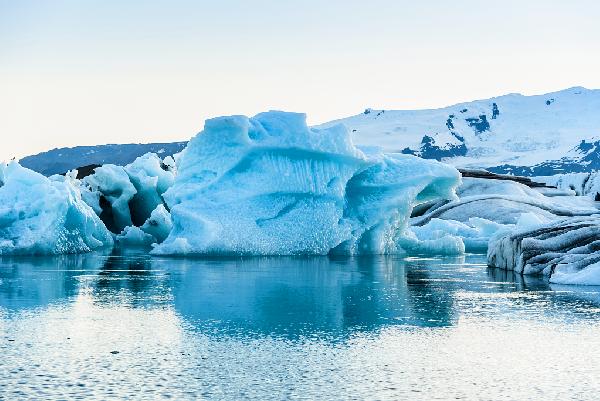
Jökulsárlón Glacier Lagoon & Diamond Beach:A breathtaking lagoon filled with icebergs calved from a nearby glacier. Across the road, on Diamond Beach, icebergs wash ashore on the black sand, glittering like jewels.
The East Fjords & The Power of the North
The route continues into the less-traveled East Fjords, characterized by serene landscapes and fishing villages, before heading north to some of Iceland’s most powerful sights.
The Eastfjords:A region of dramatic fjords, steep mountains, and peaceful fishing towns like Seyðisfjörður, known for its colorful buildings and connection to Europe via ferry.
The North & West: Fjords, History, and Volcanoes
The final leg of the circuit explores Iceland’s second city, its rich literary history, and a peninsula known as “Iceland in Miniature.”
A Final Note on Traveling in Iceland
Transportation:The most flexible way to explore Iceland is by renting a car or camper van. This allows for stops at countless unmarked scenic spots. The Ring Road (Route 1) circles the island and is generally well-maintained, but always check road conditions at road.is. For highland travel (F-roads), a 4×4 vehicle is mandatory.
Accommodation Tips:
Cultural Insight – Þetta reddast: