The Ultimate Nordic Arctic Adventure: A Travel Guide from Helsinki to Kirkenes
This comprehensive guide details an epic journey through the heart of Scandinavia’s Arctic wonders, connecting the vibrant capitals with the remote, pristine landscapes of the far north. The route from Helsinki, Finland, through Oulu, Kemi, Haparanda, Rovaniemi, Saariselkä, and finally to Kirkenes, Norway, offers a profound immersion into Nordic culture, unique natural phenomena, and unforgettable adventures like the Sampo Icebreaker cruise. This is a journey into the realm of the Midnight Sun in summer and the ethereal Aurora Borealis in winter.
Introduction: The Allure of the Arctic Circle
Traveling through Finland and into Norway’s far north is an experience defined by extremes. Visitors encounter the stark beauty of the Arctic landscape, the warmth of Sámi culture, the thrill of husky sledding, and the serene magic of the Northern Lights. This route is meticulously planned to showcase the diversity of the Nordic Arctic, from bustling cities to silent, snow-covered fells. The best time to embark on this journey depends on desired experiences: winter (December to March) for snowy activities and aurora viewing, and summer (June to August) for the Midnight Sun and hiking.
Chapter 1: Helsinki, Finland – The Baltic Gateway
Helsinki, Finland’s stylish capital, serves as the perfect starting point. Built on a peninsula in the Gulf of Finland, it seamlessly blends modern design with historic architecture.
Key Attractions
Suomenlinna Sea Fortress: A UNESCO World Heritage site, this 18th-century fortress sprawls across six islands. Visitors can explore its tunnels, museums, and cannons while enjoying picturesque seaside walks.
Helsinki Cathedral & Senate Square: An iconic symbol of the city, the gleaming white cathedral dominates the skyline. The neoclassical Senate Square offers a glimpse into Helsinki’s imperial past.
Temppeliaukio Church (Rock Church): Carved directly into solid rock, this architectural marvel is renowned for its exceptional acoustics and copper-domed roof.
Design District: Helsinki is a UNESCO City of Design. Its Design District is home to countless boutiques, galleries, and studios showcasing Finnish brands like Marimekko and Iittala.
Food & Drink
Classic Finnish: Try Karjalanpiirakka (Karelian pasty), Lohikeitto (creamy salmon soup), and reindeer meat.
Market Halls: Visit Vanha Kauppahalli (Old Market Hall) for local delicacies, including smoked fish and Finnish cheeses.
Coffee Culture: Finns are among the world’s top coffee consumers. Enjoy a cup and a pulla
Transportation & Accommodation
Helsinki-Vantaa Airport (HEL) is the main international gateway. The city’s public transport system (HSL) is efficient, with trams, buses, and a metro connecting all major sites. The Helsinki Card offers unlimited travel and free entry to many attractions. For accommodation, options range from design-conscious hotels like Hotel St. George to budget-friendly hostels in the city center.
Chapter 2: Oulu – The Northern Tech Hub
Taking a train or flight north from Helsinki brings travelers to Oulu, a vibrant university city known for its technology sector but brimming with charm. It’s a more relaxed introduction to Northern Finland.
Key Attractions
Oulu Market Square (Kauppatori): The heart of the city, featuring the iconic Toripolliisa statue (Market Square Policeman). In winter, the square transforms into a ice skating rink.
Science Centre Tietomaa: A fantastic interactive science museum housed in a former leather factory, great for families.
Hupisaaret Islands: A beautiful park area with canals, gardens, and the Northern Ostrobothnia Museum, which details regional history.
Food & Drink
Oulu has a thriving food scene. Sample fresh fish from the Bothnian Bay or visit one of the many pubs and microbreweries that cater to the student population.
Transportation & Accommodation
The train from Helsinki to Oulu takes approximately 6-8 hours, offering scenic views of the Finnish countryside. Oulu is a very walkable and bikeable city, with an extensive network of cycle paths. Accommodation includes business hotels and cozy guesthouses.
Chapter 3: Kemi & Haparanda/Tornio – The Twin Towns and the Icebreaker
A short journey from Oulu leads to Kemi, a small coastal town famous for one of the world’s most unique tourist attractions. Just across the Torne River lies its Swedish counterpart, Haparanda, creating a fascinating binational region.
Key Attractions
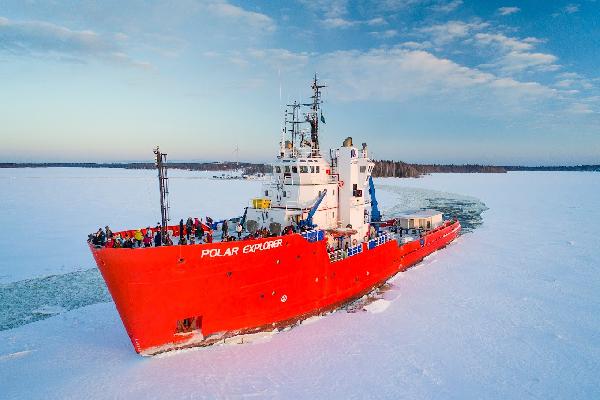
Sampo Icebreaker Cruise: The crown jewel of Kemi. This massive vessel takes passengers on a half-day cruise through the frozen Bay of Bothnia. The highlight is the opportunity to don a survival suit and float in the icy sea—a truly surreal experience.
Kemi SnowCastle: Built anew each winter, this magnificent castle is constructed entirely from snow and ice, featuring a hotel, restaurant, and chapel. (Note: It’s only available in winter).
The Border: Walk or cycle across the bridge from Tornio (Finland) to Haparanda (Sweden) and change countries and time zones (Finland is EET, Sweden is CET). Visit the unique IKEA store, which markets itself as being in both countries.
Food & Drink
In Kemi, enjoy seafood straight from the bay. In Haparanda/Tornio, you can experience both Finnish and Swedish cuisine; try Swedish meatballs or a Finnish reindeer burger.
Transportation & Accommodation
Trains and buses connect Oulu to Kemi. Kemi is small enough to explore on foot. Many visitors choose to stay in Kemi for the Icebreaker experience, with options ranging from the seaside Merihovi hotel to the extraordinary SnowCastle hotel (in winter).
Chapter 4: Rovaniemi – The Official Hometown of Santa Claus
Traveling north from Kemi/Haparanda, the next major stop is Rovaniemi, the capital of Finnish Lapland and the gateway to the Arctic. Famously known as the hometown of Santa Claus, it offers much more than just Christmas magic.
Key Attractions
Santa Claus Village: Located directly on the Arctic Circle line, this is a year-round Christmas wonderland. Meet Santa Claus, cross the Arctic Circle, and send postcards from the official Santa Claus Main Post Office.
Arktikum Science Museum: A superb museum and science center that explores Arctic nature, Northern Lights science, and the history and culture of Finnish Lapland.
Pilke Science Centre: Focused on sustainable forestry in Finland, with many hands-on exhibits.
Husky & Reindeer Safaris: Numerous local operators offer unforgettable sled rides through the Lappish wilderness.
Aurora Borealis Hunting: Rovaniemi is an excellent base for Northern Lights tours, which take visitors away from city lights for optimal viewing.
Food & Drink
This is the place to fully embrace Lappish cuisine. Must-try dishes include sautéed reindeer (
poronkäristys) with mashed potatoes and lingonberries, and Arctic char. For a unique dining experience, try Restaurant Nili for traditional Lappish food in a rustic setting.
Transportation & Accommodation
Rovaniemi is accessible by train, bus, or plane. The airport has connections to Helsinki and other European cities. Within Rovaniemi, local buses run to Santa Claus Village. Accommodation is diverse, including the iconic Arctic TreeHouse Hotel, glass-roofed aurora cabins like Nova Skyland, and city-center hotels like Santa’s Hotel Santa Claus.
Chapter 5: Saariselkä – The Heart of Finnish Lapland’s Wilderness
A three-hour bus ride north from Rovaniemi leads deeper into Lapland to Saariselkä. This resort village is not a town but a collection of hotels and services nestled amidst the stunning Urho Kekkonen National Park. It’s a premier destination for outdoor activities.
Key Attractions
Urho Kekkonen National Park: One of Finland’s largest protected areas, offering exceptional hiking trails in summer and cross-country skiing routes in winter.
Aurora Hunting: With minimal light pollution, Saariselkä offers some of Finland’s best chances to see the Northern Lights. Many hotels offer aurora alarms.
Saariselän Kota & Smoke Sauna: Experience authentic Finnish culture with a traditional smoke sauna followed by a dip in a frozen lake (avanto).
Gold Panning & Sami Culture: Visit the Tankavaara Gold Prospector Museum and learn about the region’s gold rush history. Tours are also available to learn about the indigenous Sámi people.
Kaunispää Fell: Take a chairlift to the top for breathtaking panoramic views of the endless Lapland wilderness.
Food & Drink
Hotels in Saariselkä often feature excellent restaurants specializing in Lappish game. Cloudberry, a rare Arctic berry, is a local delicacy often served as a dessert or liqueur.
Transportation & Accommodation
The main mode of transport to Saariselkä is by bus from Rovaniemi or Ivalo Airport (IVL), which is just 30 minutes away. Within Saariselkä, everything is accessible on foot or via hotel shuttles. Accommodation is focused on resorts like Holiday Club Saariselkä and Kakslauttanen Arctic Resort, famous for its glass igloos.
Chapter 6: Kirkenes – The Gateway to the Barents Sea
The final leg of this Arctic journey involves crossing from Finland into Norway. A bus ride from Saariselkä takes travelers to Kirkenes, a small but significant town located far east in Norway, close to the Russian border.
Key Attractions
The Russian Border: Take a guided tour to see the border station between Norway and Russia (note: access can be restricted based on current political situations).
Snowhotel Kirkenes: Similar to Kemi’s SnowCastle but with a distinct Norwegian twist. It is rebuilt every winter and features stunning ice sculptures.
King Crab Safari: The flagship experience of Kirkenes. Join a safari on the frozen fjord to catch giant King Crabs, followed by a feast where they are boiled fresh and served with bread and mayonnaise.
Andersgrotta Bomb Shelter: A historical site from World War II, offering insights into Kirkenes’s history as one of the most bombed towns in Europe.
Sámi Culture: Visit the Sámi Siida museum to learn about the coastal Sámi culture, which differs from that of the inland Sámi in Finland.
Food & Drink
The undisputed king here is the King Crab. This is the best place in Europe to enjoy this delicacy. Other local specialties include other fresh seafood from the Barents Sea.
Transportation & Accommodation
The bus from Saariselkä to Kirkenes takes about 4-5 hours. Kirkenes has its own airport (KKN) with flights to Oslo. The town is small and easily navigable on foot or by bike. For a unique stay, consider the Snowhotel (winter) or the nearby Thon Hotel Kirkenes, which offers king crab fishing activities.
Crucial Travel Tips for the Nordic Arctic
Packing Essentials
Winter (Oct-Apr): Thermal base layers, insulated mid-layers, a high-quality waterproof/windproof outer shell, insulated boots with good grip, wool socks, hat, scarf, mittens (not gloves), and lip balm.
Summer (Jun-Aug): Layers are still key. Pack t-shirts, long-sleeved shirts, a fleece, a waterproof jacket, sturdy hiking boots, and insect repellent for mosquitoes (which can be plentiful).
Year-round: Swimsuit for saunas and hotels pools, a power adapter (European Type C/F), and a good camera.
Cultural Etiquette
Sámi Culture: The Sámi are the indigenous people of Lapland. Always show respect. Ask for permission before taking photographs of people or their reindeer.
The Sauna: Sauna is a sacred part of Finnish culture. It is typically done naked and segregated by gender unless with family. Shower before entering and be prepared for silence or quiet conversation.
“Everyman’s Right” (Jokamiehenoikeus): In Finland and Sweden, this law allows everyone to roam freely in nature, pick berries and mushrooms, and camp temporarily. The crucial rule is: “Do not disturb, do not destroy.”
Tipping: Tipping is not mandatory or expected in Finland or Norway as service charges are included. Rounding up the bill or leaving a small tip for exceptional service is appreciated but not required.
A Note on Costs
The Nordic countries, especially Norway, are expensive destinations. Budget accordingly for accommodation, dining, and activities. Purchasing activity packages in advance can sometimes offer savings. Consider purchasing food from supermarkets for some meals to manage costs.
A Journey of a Lifetime
The route from Helsinki to Kirkenes is more than just a trip; it’s an expedition into some of Europe’s last great wilderness areas. It connects travelers with powerful natural forces—the dark winters illuminated by auroras, the endless light of summer, and the profound silence of the snow-covered forests. From urban design to ancient Sámi traditions and from floating in an ice floe to feasting on king crab, this journey offers a deep and multifaceted understanding of life in the European Arctic.