The Ultimate Nile Journey: A Travel Guide from Cairo to Aswan, Luxor, and Hurghada
This comprehensive guide details a classic Egyptian itinerary, taking travelers from the bustling capital of Cairo, south along the life-giving Nile to Aswan, then northwards to the monumental temples of Luxor via Edfu, before concluding with a relaxing retreat on the Red Sea coast in Hurghada, and finally returning to Cairo. This route offers a perfect blend of ancient history, vibrant culture, and modern leisure.
Cairo: The Gateway to the Pyramids
Cairo, Egypt’s sprawling capital, is a vibrant, chaotic, and mesmerizing metropolis that serves as the starting point for most Egyptian adventures. It is a city where ancient history and modern life collide amidst the sounds of car horns and calls to prayer.
Key Attractions in Cairo
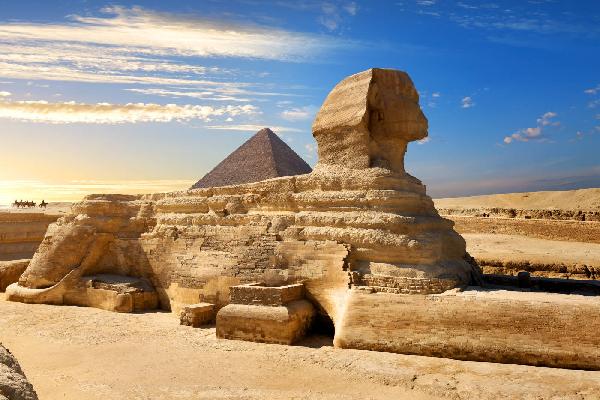
The Giza Plateau: Home to the last surviving wonder of the ancient world. Visitors can explore the Great Pyramid of Khufu, the Pyramid of Khafre, the Pyramid of Menkaure, and the enigmatic Great Sphinx. A camel or horse ride in the surrounding desert offers a classic photo opportunity.
The Egyptian Museum: Located in Tahrir Square, this historic museum houses an unparalleled collection of pharaonic antiquities, including the golden treasures from Tutankhamun’s tomb. Note that many key artifacts are gradually being moved to the new Grand Egyptian Museum (GEM).
The Grand Egyptian Museum (GEM): A state-of-the-art museum near the Giza Plateau, partially open and set to become the world’s largest archaeological museum. It promises a stunning new home for the Tutankhamun collection and other priceless artifacts.
Khan el-Khalili Bazaar: A labyrinthine market dating back to the 14th century. It’s a sensory overload of spices, perfumes, jewelry, lanterns, and souvenirs. Haggling is expected and part of the experience.
Islamic Cairo: Explore this historic district to see magnificent mosques like the Mosque of Muhammad Ali in the Citadel of Saladin, offering panoramic views of the city, and the Sultan Hassan Mosque.
Coptic Cairo: A peaceful area showcasing Egypt’s Christian heritage, home to the Hanging Church, the Coptic Museum, and the Ben Ezra Synagogue.
Cairo Food & Drink
Egyptian cuisine is hearty and flavorful. Must-try dishes include Koshari (a mix of rice, lentils, pasta, and chickpeas topped with tomato sauce and fried onions), Ful Medames (mashed fava beans), Taameya (Egyptian falafel), and grilled meats like Kofta. For a sweet treat, try Umm Ali (a bread pudding) or Baklava. Don’t miss drinking sweet mint tea or strong Egyptian coffee.
Transportation: Getting To & Around Cairo
Most international travelers arrive at Cairo International Airport (CAI). The city has a metro system that is efficient for crossing long distances, but taxis and ride-hailing apps like Uber and Careem are the most convenient ways for tourists to get around. Pre-arranged private drivers are also a popular and stress-free option for day trips to Giza.
Accommodation Tips
Cairo offers a wide range of accommodations. For proximity to the pyramids, consider hotels in Giza. For a more central location with access to museums, restaurants, and nightlife, Zamalek Island (a leafy, upscale neighborhood in the Nile) or downtown Cairo near Tahrir Square are excellent choices.
Cultural Insights
Cairo is a predominantly Muslim city; dressing modestly is recommended. While Fridays are the holy day, the weekend in Egypt is now Friday and Saturday. Be prepared for bustling crowds and assertive vendors, especially at tourist sites. A friendly “La, shukran” (No, thank you) is usually sufficient.
Aswan: The Nubian Gem
The journey south typically continues by overnight sleeper train or a short flight from Cairo to Aswan. Aswan has a distinctly different, more relaxed atmosphere than Cairo. It is the gateway to Nubian culture and the site of monumental ancient engineering.
Key Attractions in Aswan
Abu Simbel: A day trip from Aswan (usually departing very early in the morning), these two massive rock-cut temples built by Ramesses II were miraculously relocated in the 1960s to save them from the rising waters of Lake Nasser. The scale and artistry are breathtaking.
Philae Temple: Dedicated to the goddess Isis, this beautiful temple was also moved piece by piece to Agilkia Island to save it from flooding. A short boat ride is required to reach it.
High Dam: An engineering marvel of the 20th century, the Aswan High Dam created Lake Nasser and tamed the Nile’s annual floods.
Unfinished Obelisk: Lying in a granite quarry, this massive obelisk offers insight into ancient stone-working techniques. Had it been completed, it would have been the largest ever erected.
Aswan Souq: Less overwhelming than Cairo’s bazaar, this market is perfect for buying spices, Nubian crafts, and perfumes.
Nubian Village: Take a boat to a Nubian village on the west bank of the Nile to experience vibrant-colored houses, learn about Nubian culture, and perhaps hold a baby crocodile.
Felucca Ride: A sunset sail on a traditional wooden felucca around Aswan’s islands, including Kitchener’s Island and its botanical gardens, is a quintessential Egyptian experience.
Aswan Food & Drink
In addition to classic Egyptian fare, Aswan offers Nubian specialties. Try Nubian-style fish or tagines. Fresh dates are abundant and delicious here.
Transportation
Aswan is well-connected by train from Cairo and Luxor. The city itself is walkable in parts, but taxis and horse-drawn carriages (caleches) are common for getting around. Boats are essential for reaching attractions on the islands and the west bank.
Accommodation Tips
Many hotels in Aswan are situated on islands in the Nile, such as Elephantine Island, offering stunning views and a peaceful retreat. There are also numerous options along the Corniche (the Nile waterfront).
Edfu: Temple of the Falcon God
The journey from Aswan to Luxor is often made by Nile cruise ship, with a key stop at Edfu. This is one of the best-preserved cult temples in Egypt.
Key Attraction in Edfu
Temple of Horus: This magnificent Ptolemaic temple, dedicated to the falcon-headed god Horus, is almost completely intact. Visitors are greeted by a massive pylon (gateway) and can walk through its grand halls and colonnades, surrounded by detailed hieroglyphic reliefs that tell stories of mythological battles. The temple provides an unparalleled look into ancient Egyptian religion and architecture.
Transportation & Visit
Most visitors arrive at Edfu via their Nile cruise. From the riverbank, travelers take a horse-drawn carriage (a standard and enjoyable part of the experience) to the temple, which is located in the town. Independent travelers can reach Edfu by train or taxi from Luxor or Aswan.
Luxor: The World’s Greatest Open-Air Museum
Often called Thebes in ancient times, Luxor is arguably the crown jewel of any Egyptian itinerary. The city is divided by the Nile: the East Bank, representing life and the living, and the West Bank, representing death and the afterlife.
Key Attractions on the East Bank
Karnak Temple Complex: The largest religious building ever constructed. It is a vast city of temples built over 2,000 years. The highlight is the breathtaking Hypostyle Hall, with its 134 massive columns.
Luxor Temple: Located in the heart of the modern city, this temple is beautifully illuminated at night. It was connected to Karnak by a 3-kilometer avenue of sphinxes.
Key Attractions on the West Bank
Valley of the Kings: The burial place of Egypt’s New Kingdom pharaohs, including Tutankhamun. Visitors can descend into several elaborately decorated tombs (a ticket typically allows entry to 3 tombs). The separate ticket for Tutankhamun’s tomb is worth considering.
Temple of Hatshepsut: A stunning mortuary temple built into a cliff face for Egypt’s powerful female pharaoh. Its modern design belies its ancient origins.
Valley of the Queens: Home to the tombs of royal wives and children. The most famous is the beautifully restored tomb of Queen Nefertari (requires a separate, expensive ticket).
Medinet Habu: The mortuary temple of Ramesses III, featuring well-preserved reliefs and massive statues. It is less crowded than other sites but equally impressive.
Colossi of Memnon: Two gigantic seated statues of Amenhotep III that once guarded his mortuary temple. They are the first thing visitors see upon arriving on the West Bank.
Luxor Food & Drink
The restaurant scene in Luxor caters well to tourists. Alongside Egyptian classics, many international options are available. Rooftop restaurants on the East Bank offer spectacular views of the Nile and the Luxor Temple lights.
Transportation
The East Bank sites are easily accessible by taxi or on foot. To explore the sprawling West Bank efficiently, it is highly recommended to hire a private car and driver for the day or join an organized tour. A hot air balloon ride at dawn over the West Bank provides an unforgettable aerial perspective.
Accommodation Tips
The East Bank has the majority of hotels, ranging from budget hostels to luxury international chains located on the Nile Corniche. For a more tranquil stay with incredible views, consider one of the hotels on the West Bank.
Hurghada: Red Sea Relaxation
After an intense immersion in ancient history, a transfer east from Luxor across the Eastern Desert brings travelers to Hurghada on the Red Sea coast. This resort town is dedicated to sun, sea, and sand.
Key Attractions & Activities in Hurghada
Snorkeling and Diving: The Red Sea is world-renowned for its crystal-clear waters and vibrant coral reefs teeming with marine life. Giftun Island is a popular destination for boat trips.
Water Sports: From windsurfing and kitesurfing to parasailing and jet-skiing, Hurghada offers every conceivable aquatic activity.
Desert Safaris: Take a quad biking or jeep safari into the Eastern Desert to visit Bedouin tribes, experience a traditional tea ceremony, and enjoy a spectacular desert sunset.
Marina Hurghada: A modern promenade lined with shops, restaurants, and cafes—a great place for an evening stroll.
Hurghada Food & Drink
Given its tourist focus, Hurghada offers a vast array of international cuisines. However, it remains an excellent place to enjoy incredibly fresh seafood, often grilled simply with herbs and lemon.
Transportation
The drive from Luxor to Hurghada takes approximately 4-5 hours by car or bus. Hurghada also has an international airport (HRG) with connections to Cairo and Europe. Within Hurghada, taxis are readily available.
Accommodation Tips
Hurghada is famous for its all-inclusive resort hotels that stretch along the coastline. These offer a wide range of amenities, including private beaches, multiple pools, and on-site dining options, making them ideal for families and travelers seeking relaxation.
The Return to Cairo & Final Tips
The journey concludes with a short flight from Hurghada back to Cairo International Airport (CAI), or alternatively, a longer bus journey can be taken.
Essential Travel Tips for Egypt
Visa: Most nationalities require a visa, which can often be obtained online (e-Visa) or on arrival at major airports.
Best Time to Visit: The ideal season is during the cooler months from October to April. The summer months (May-September) can be extremely hot.
Currency: The Egyptian Pound (EGP). While credit cards are accepted in larger establishments, it is essential to carry cash for smaller vendors, tips, and local markets.
Bargaining: Haggling is standard practice in souqs and with non-metered taxis. Be polite but firm.
Tipping (Baksheesh): Tipping is an ingrained part of the culture for small services. Keep small bills handy for restroom attendants, guides, drivers, and hotel staff.
Dress Code: Modest dress is respectful, especially when visiting mosques and religious sites. Covering shoulders and knees is advised.
Hydration & Health: Drink plenty of bottled water. Be cautious with street food; ensure it is freshly cooked.
Guides: Hiring a knowledgeable Egyptologist guide at major sites like Luxor and Giza can dramatically enhance your understanding and appreciation of the history.
A journey through Egypt from Cairo to Aswan, Edfu, Luxor, and Hurghada is more than a vacation; it is a voyage through millennia of human civilization, offering an unforgettable tapestry of monumental ruins, timeless river views, rich cultures, and breathtaking natural beauty.