The Ultimate Japan Travel Guide: Osaka, Kyoto, Nara, Mt. Fuji, and Tokyo
Embarking on a journey through Japan’s iconic Golden Route is an unforgettable experience, blending ultra-modern metropolises with ancient cultural heartlands. This guide will take you through the vibrant street life of Osaka, the serene temples of Kyoto, the friendly deer of Nara, the majestic sight of Mt. Fuji, and the electric energy of Tokyo. Here is a comprehensive, objective look at what to expect, how to get around, what to eat, and the cultural nuances you’ll encounter.
Part 1: Osaka – The Nation’s Kitchen
Osaka is Japan’s third-largest city and its undisputed culinary capital. It’s a city of commerce, comedy, and incredible street food, with a more down-to-earth and direct atmosphere than Tokyo.
Key Attractions in Osaka
Dotonbori: This is the pulsating heart of Osaka’s entertainment district. At night, it transforms into a neon-lit spectacle, famous for the giant mechanical signs like the Glico Running Man and the moving crab of Kani Doraku. The area is packed with restaurants, street food stalls, and entertainment venues. It’s less a place for quiet contemplation and more for sensory immersion.
Osaka Castle: One of Japan’s most famous landmarks, this visually stunning castle is set within a large park. While the main keep is a concrete reconstruction with a modern interior (housing a museum), the views from the top floor are spectacular. The surrounding Nishinomaru Garden is a popular spot for cherry blossom viewing in spring.
Shinsekai & Tsutenkaku Tower: This district offers a nostalgic, almost retro feel of post-war Japan. The Tsutenkaku Tower is the area’s symbol. Shinsekai is known for its kushikatsu (deep-fried skewers) restaurants and has a unique, slightly gritty charm that contrasts with the polished gleam of other city centers.
Kuromon Ichiba Market: Known as “Osaka’s Kitchen,” this covered market stretches for over 600 meters. It’s a fantastic place to sample fresh seafood like uni (sea urchin), oysters, and tuna sashimi, as well as other local snacks. It’s bustling, loud, and a true taste of local life.
Osaka’s Culinary Scene
Osakan people are known for
kuidaore, which means “to eat oneself into ruin.” Don’t miss these local specialties:
Takoyaki: Ball-shaped snacks made of wheat flour batter and cooked in a special molded pan, filled with minced octopus, tempura scraps, pickled ginger, and green onion. They are slathered in a savory-sweet sauce and mayonnaise.
Okonomiyaki: Often described as a Japanese savory pancake or pizza. A batter of flour, grated yam, and eggs is mixed with cabbage and your choice of meat or seafood, then grilled on a teppan (iron griddle) and topped with sauce, mayo, and bonito flakes.
Kushikatsu: Various ingredients like meat, seafood, and vegetables, skewered, breaded, and deep-fried. The key rule is to never double-dip the skewer in the shared tonkatsu sauce pot.
Transportation & Practical Tips for Osaka
Osaka is a major transportation hub. The city’s subway system is efficient and easy to navigate. Consider an
IC Card (ICOCA or Suica) for seamless travel on trains and buses across the region. The Osaka Amazing Pass can be a great value if you plan to visit multiple paid attractions and use the subway extensively.
Local Insight: For a less crowded alternative to Dotonbori, explore the nearby Hozenji Yokocho alley, a narrow stone-paved lane centered around a moss-covered Fudo Myoo statue. It offers a more atmospheric dining experience.
Part 2: Kyoto – The Heart of Traditional Japan
As Japan’s imperial capital for over a thousand years, Kyoto is the custodian of the nation’s traditional culture. It’s a city of over 2,000 temples and shrines, exquisite gardens, and refined geisha districts.
Key Attractions in Kyoto
Fushimi Inari Shrine: World-famous for its thousands of vermilion torii gates that form a network of trails up the sacred Mount Inari. The hike to the summit takes about 2-3 hours round trip. For the best experience and photos, go very early in the morning or later in the evening to avoid the crowds.
Arashiyama District: A picturesque area on the western outskirts of Kyoto. Must-sees include the Arashiyama Bamboo Grove, a mesmerizing path through towering bamboo stalks, and the Togetsukyo Bridge spanning the Katsura River. The nearby Tenryu-ji Temple has one of Kyoto’s most beautiful gardens.
Kinkaku-ji (The Golden Pavilion): A Zen temple literally covered in gold leaf, reflecting brilliantly in its surrounding pond. It is one of Japan’s most iconic sights. The visit follows a set path and can be very crowded, but the view is undeniably stunning.
Gion & Higashiyama District: Stroll through the preserved streets of Higashiyama, with their traditional wooden machiya houses, leading up to Kiyomizu-dera Temple. Gion is Kyoto’s most famous geisha district. You might spot a geiko or maiko (apprentice geisha) in the evening on their way to appointments.
Kiyomizu-dera Temple: Known for its massive wooden stage jutting out from the main hall, offering panoramic views of Kyoto. The temple complex is vast and includes the Otawa Waterfall, where visitors drink from three streams for different benefits.
Kyoto’s Culinary Scene
Kyoto cuisine (
Kyo-ryori) is known for its refinement and emphasis on seasonal, local ingredients.
Kaiseki Ryori: A multi-course haute cuisine meal that is as much about art and seasonality as it is about taste. It’s a quintessential Kyoto experience, though often expensive.
Yudofu: Simple, delicate tofu hot pots, particularly associated with temples in the Nanzen-ji area.
Matcha Sweets: Kyoto is the home of Japanese tea ceremony culture. Sample matcha (green tea) flavored treats like soft serve ice cream, warabimochi (jelly-like confection), and traditional wagashi (Japanese sweets).
Transportation & Practical Tips for Kyoto
While Kyoto has a subway system, its main attractions are spread out and often best accessed by bus. The
Kyoto City Bus One-Day Pass is extremely cost-effective. Buses can get very crowded, so be prepared to stand. Renting a bicycle is also a wonderful way to explore the flatter parts of the city.
Local Insight: To escape the crowds, visit some of Kyoto’s lesser-known gems like Ginkaku-ji (The Silver Pavilion) and the Philosopher’s Path in the north, or Daigo-ji Temple in the south. Always remember to be respectful at temples and shrines: bow slightly before entering gates, wash your hands at the chozuya (purification fountain), and avoid photographing main halls where it’s prohibited.
Part 3: Nara – The Cradle of Japanese Civilization
A short trip from Kyoto or Osaka, Nara was Japan’s first permanent capital. It is home to some of Japan’s oldest and largest temples and, famously, hundreds of freely roaming deer.
Key Attractions in Nara
Todai-ji Temple: A UNESCO World Heritage site that houses the Daibutsu (Great Buddha), a colossal bronze statue of Vairocana Buddha standing 15 meters tall. The main hall, Daibutsuden, is one of the world’s largest wooden buildings. The scale is truly awe-inspiring.
Nara Park: A vast public park that is home to most of Nara’s major attractions and over 1,200 sacred deer. The deer have learned to bow to visitors to ask for shika senbei (deer crackers), which can be purchased from vendors.
Kasuga Taisha Shrine: Established in 768 AD, this Shinto shrine is famous for its hundreds of stone and bronze lanterns that line its paths. The lanterns are lit only during specific festivals, creating a magical atmosphere.
Isuien Garden & Neiraku Museum:A beautiful strolling garden divided into two parts, offering borrowed scenery from Todai-ji and Wakakusayama Hill. It’s a peaceful oasis away from the main tourist throngs.
Culinary Scene & Transportation in Nara
Nara is known for
kakinoha-zushi (sushi wrapped in persimmon leaves), pickles, and local sake. The city is very walkable from the main Kintetsu-Nara or JR Nara stations. You can comfortably see the main sights on a day trip.
Local Insight: While the deer are generally gentle, they can be assertive if they see you have food. Keep shika senbei out of sight until you’re ready to feed them, and avoid teasing them. Do not feed them anything other than the specially made crackers.
Part 4: Mount Fuji & The Fuji Five Lakes (Fujigoko)
The journey from Kansai (Osaka/Kyoto) to Kanto (Tokyo) offers the perfect opportunity to witness Japan’s most sacred and iconic natural symbol.
Experiencing Mount Fuji
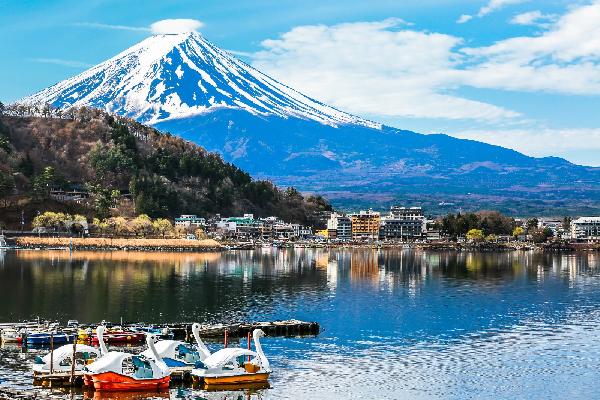
The Fuji Five Lakes (Fujigoko): The area at the northern foot of Mount Fuji. Lake Kawaguchiko is the most accessible and developed, offering the best views of the mountain and numerous hotels and onsens. It’s the best base for sightseeing.
Chureito Pagoda: This five-storied pagoda in Fujiyoshida City offers one of Japan’s most photographed views. The pagoda frames Mount Fuji perfectly, especially during cherry blossom season or autumn.
Climbing Mount Fuji:The official climbing season is very short, from early July to early September. Outside this period, it is extremely dangerous due to weather and snow. The climb is strenuous and typically done overnight to reach the summit for sunrise (Goraiko).
Fuji-Q Highland:A major amusement park near Lake Kawaguchiko known for its record-breaking roller coasters and thrill rides.
Culinary Scene & Transportation around Mt. Fuji
The region is known for hoto noodles, a hearty dish with flat udon-like noodles in a miso-based soup with vegetables. Access from Osaka/Kyoto is best via a Shinkansen to Mishima or Shin-Fuji station, then connecting buses to the lakes. From Tokyo, direct highway buses from Shinjuku Station to Kawaguchiko Station are convenient and affordable.
Local Insight: Mount Fuji is notoriously shy and often obscured by clouds. Check the live webcams online before you go and aim for clear days in the colder months (autumn to winter) for the best visibility. Staying overnight in a ryokan (traditional inn) with an onsen that faces Fuji increases your chances of a clear view at sunrise.
Part 5: Tokyo – The Dazzling Metropolis
A sprawling megacity that seamlessly blends futuristic technology with deep-rooted traditions, Tokyo is a universe of its own, offering endless discoveries.
Key Attractions in Tokyo
Shibuya Crossing:The world’s busiest pedestrian scramble. Witnessing the synchronized chaos of hundreds of people crossing from all directions is a quintessential Tokyo experience. For a great view, head to the second-floor Starbucks in the Tsutaya building.
Senso-ji Temple & Asakusa:Tokyo’s oldest temple, located in the Asakusa district. Approach through the Kaminarimon (Thunder Gate) and walk down the Nakamise-dori shopping street lined with traditional snacks and souvenirs. The atmosphere is lively and deeply traditional.
Shinjuku Gyoen National Garden:A stunning park that showcases three distinct garden styles: Japanese traditional, French formal, and English landscape. It’s one of Tokyo’s best cherry blossom viewing spots.
The Imperial Palace East Gardens:The inner grounds of the palace are generally not open to the public, but the East Gardens offer a peaceful green space in the heart of the city with historical ruins of the old Edo Castle.
Akitahara / Harajuku:A district of contrasts. Takeshita Street is a narrow alley packed with trendy youth fashion, crazy crepe stands, and quirky shops. Just a few minutes’ walk away is Omotesando, a tree-lined avenue known as Tokyo’s Champs-Élysées, filled with high-end designer boutiques.
teamLab Borderless / Planets:Immersive digital art museums where artworks move between rooms, interact with visitors, and blur the boundaries between art and the viewer. A truly unique sensory experience (note: teamLab Borderless in Odaiba has relocated; check for the new location).
Tokyo’s Culinary Scene
Tokyo holds more Michelin stars than any other city in the world, but its food scene caters to all budgets.
Sushi:From conveyor belt sushi (kaiten-zushi) for a fun, affordable meal to exclusive omakase experiences at a sushi-ya counter where the chef decides your menu.
Ramen:A deeply personal obsession. Different broths (shoyu-soy sauce, miso, tonkotsu-pork bone) and regional styles abound. Look for restaurants with vending machine ticket systems for ordering.
Tsukiji Outer Market:While the inner wholesale market has moved to Toyosu, the outer market remains at Tsukiji, bustling with small shops and restaurants serving incredibly fresh seafood bowls (kaisendon) and other delicacies.
Izakaya:Japanese-style pubs serving small plates of food along with drinks like beer or sake. They are perfect for experiencing a wide variety of Japanese comfort foods in a lively atmosphere.
Transportation & Practical Tips for Tokyo
Tokyo’s subway and train network is vast, efficient, clean, but can be complex for first-time visitors. A
Suica or Pasmo IC card is essential for touch-and-go travel on all lines. Google Maps is incredibly accurate for navigating the system with real-time schedules and platform information.
Avoid speaking loudly on phones on trains; it’s considered rude. During rush hour (7:30-9:30 AM), trains can be extremely crowded.
Local Insight: For a different perspective on Tokyo’s neighborhoods (“shitamachi”), explore Yanaka Ginza, a nostalgic shopping street that survived WWII bombings and earthquakes, or Kagurazaka, a hilly area with a faint Parisian flair and hidden ryotei (high-end traditional restaurants). Don’t be afraid to get lost; some of Tokyo’s best discoveries are found by wandering its endless alleys.
A Note on Nationwide Travel: The Japan Rail Pass
The JR Pass allows for unlimited travel on most Japan Railways trains, including the famous Shinkansen (bullet trains), for a fixed period (7, 14, or 21 days). With this itinerary covering long distances between Osaka/Kyoto/Nara and Tokyo/Mt. Fuji area), it can offer significant savings compared to buying individual tickets.
Crucially, you must purchase the JR Pass Exchange Orderoutsideof Japan before your trip; you cannot buy it once you are in Japan.