The Ultimate Iceland Travel Guide: From Arrival to the Golden Circle & South Coast
This comprehensive guide outlines a classic Icelandic itinerary, perfect for a 5 to 7-day journey. It covers the essential experiences from the moment you land at Keflavík International Airport to your departure, taking you through the vibrant capital, the geologically astounding Golden Circle, and the breathtakingly diverse South Coast.
Arrival at Keflavík Airport (KEF) & Transfer to Reykjavík
Most international flights arrive at Keflavík International Airport (KEF), located about 50 kilometers southwest of Reykjavík. The journey from the airport to the city is the first taste of Iceland’s dramatic, lunar-like landscape.
Transportation Options from KEF to Reykjavík
Airport Shuttle Bus (Flybus/Gray Line): This is the most popular and convenient option. The buses are synchronized with all flight arrivals. You can book a ticket to a central bus terminal (BSÍ) or a more convenient “Hotel Pickup” service where a smaller bus transfers you directly to your hotel after arriving at the terminal.
Public Bus (Strætó): Route 55 runs between KEF and Reykjavík but is less frequent and not tailored for travelers with lots of luggage. It is the most budget-friendly option but requires more planning.
Taxi or Private Transfer: A more expensive but highly convenient choice, especially for groups or those arriving late. Pre-booking is recommended. The ride to Reykjavík takes approximately 45 minutes.
Rental Car: For maximum flexibility on this itinerary, picking up a rental car directly at the airport is highly advisable. Major rental companies have desks inside the terminal. It allows you to start your exploration immediately.
Pro Tip
Before leaving the airport, consider a stop at the duty-free store to purchase alcohol, as it is significantly cheaper than in state-run liquor stores (Vínbúðin) in the city.
Chapter 1: Reykjavík – The Northernmost Capital
Reykjavík is a compact, colorful, and vibrant city that serves as the perfect base for exploring Iceland. Spend your first day or two acclimating and exploring its unique culture.
Key Attractions
Hallgrímskirkja Church: This iconic concrete church, inspired by basalt lava flows, dominates the Reykjavík skyline. Take the elevator to the top of the tower for a panoramic view of the city’s colorful rooftops and the surrounding mountains and sea.
Harpa Concert Hall: A architectural masterpiece with a geometric glass facade that reflects the sky and harbor. Even if you don’t see a show, wandering through its interior is a stunning experience.
Sun Voyager (Sólfar): A striking steel sculpture on the seaside promenade, resembling a Viking longship. It’s a beautiful spot for photos, especially at sunset.
Perlan Museum: Located on Öskjuhlíð hill, this museum features a rotating glass dome. Its “Wonders of Iceland” exhibition includes a real indoor ice cave and a panoramic viewing platform.
The Old Harbour: A lively area where you can find whale watching tours, seafood restaurants, and various cultural museums.
Food & Drink Recommendations
Traditional Icelandic Fare: Try Plokkfiskur (a hearty fish stew), or for the adventurous, Hákarl (fermented shark).
Hot Dog (Pylsa): A must-try from Bæjarins Beztu Pylsur, a famous hot dog stand. Order “eina með öllu” (one with everything).
New Nordic Cuisine: Reykjavík has a thriving food scene. Restaurants like Dill and Grillmarkaðurinn (The Grill Market) offer innovative dishes using local ingredients.
Coffee Culture: Icelanders love their coffee. Visit local roasteries like Reykjavík Roasters for a perfect brew.
Accommodation Tips
Reykjavík offers a wide range of accommodations, from luxury hotels like
Canopy by Hilton and Tower Suites to budget-friendly hostels and guesthouses. For a central location, look for places in the 101 postcode area.
Chapter 2: The Golden Circle – Iceland’s Classic Route
The Golden Circle is a 300-kilometer loop that can be done as a day trip from Reykjavík. It showcases three of Iceland’s most famous natural wonders.
Þingvellir National Park
A UNESCO World Heritage site of immense historical and geological significance. This is where the North American and Eurasian tectonic plates are pulling apart at a rate of about 2 cm per year, creating a vast rift valley. It was also the original site of the Alþingi, one of the world’s oldest parliamentary institutions, established in 930 AD. Walk through the Almannagjá gorge and see the clear waters of Silfra Fissure, a popular snorkeling and diving spot.
Geysir Geothermal Area
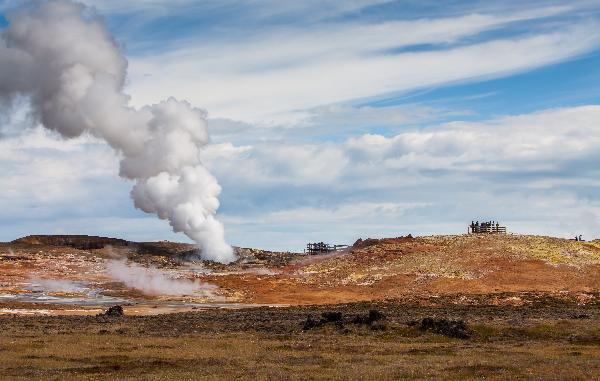
Home to the Great Geysir, from which all other geysers get their name. While Geysir itself is mostly dormant, its neighbor, Strokkur, erupts every 5-10 minutes, shooting a column of boiling water up to 40 meters into the air. The entire area is a bubbling, steaming landscape of hot springs and fumaroles.
Gullfoss Waterfall
The “Golden Falls” is a massive, two-tiered waterfall on the Hvítá River. The water plummets 32 meters into a deep canyon, creating an immense spray that often results in stunning rainbows on sunny days. There are walking paths along the edge of the canyon offering different vantage points.
Transportation & Tips
The Golden Circle is easily accessible by rental car, with well-marked roads. Alternatively, numerous guided bus tours are available from Reykjavík. To avoid the largest crowds, start your day early or visit in the late afternoon.
Chapter 3: The South Coast to Jökulsárlón & Blue Ice Cave
The journey along Iceland’s South Coast is one of the world’s most scenic drives, featuring waterfalls, black sand beaches, and glaciers.
Seljalandsfoss and Gljúfrabúi Waterfalls
Seljalandsfoss is a graceful 60-meter waterfall that you can walk behind, offering a unique “behind-the-curtain” perspective. Be prepared to get wet! A short walk to the east is Gljúfrabúi, a hidden waterfall tucked inside a canyon, which requires wading through a small stream or climbing rocks to see it fully.
Skógafoss Waterfall
A powerful and majestic waterfall with a 60-meter drop and a width of 25 meters. On sunny days, a single or even double rainbow is often visible. A steep staircase leads to a viewing platform at the top, offering spectacular views of the coastline. This is also the starting point of the famous Fimmvörðuháls hiking trail.
South Coast Seascapes
The drive itself is an attraction. You’ll pass by vast sandar (glacial outwash plains), dramatic sea cliffs, and the towering glacier-capped volcanoes Eyjafjallajökull and Hekla.
Jökulsárlón Glacier Lagoon
Often called “the Crown Jewel of Iceland,” this stunning glacial lagoon is filled with icebergs that have calved from the Breiðamerkurjökull glacier. The icebergs float in the lagoon before drifting out to sea. You can take an amphibious boat or zodiac tour to get up close to the ice. Keep an eye out for seals swimming in the icy waters.
Diamond Beach
Directly across the road from Jökulsárlón is Breiðamerkursandur, a black sand beach more commonly known as the Diamond Beach. Here, icebergs from the lagoon wash ashore, glittering like diamonds against the black volcanic sand—a photographer’s paradise.
Blue Ice Cave Adventure
Important: Visiting a natural blue ice cave can only be done as part of a guided tour with certified operators. These caves form in the glaciers during winter and are constantly changing. Tours typically depart from the Jökulsárlón area or Skaftafell and involve a super-jeep ride and a hike onto the glacier. The experience of standing inside a crystal-blue ice cave is otherworldly and a true highlight of any trip to Iceland.
Accommodation Tips for the South Coast
Given the distance from Reykjavík, it’s advisable to stay overnight along the South Coast. Towns like Vík, Kirkjubæjarklaustur, or Höfn offer a range of hotels, guesthouses, and countryside hotels. Booking well in advance is crucial, especially during peak season.
Chapter 4: Return to Reykjavík & Departure
The drive back to Reykjavík from the South Coast offers another chance to appreciate the landscapes you passed on the way out. You might stop at places you missed or revisit favorites in different light.
Last-Minute Exploration & Souvenirs
Use your final hours in Reykjavík to explore any missed sights, relax at a local swimming pool (like Laugardalslaug), or shop for souvenirs. Look for authentic Icelandic products such as lopapeysa (woolen sweaters), salt licorice, or skincare products made from geothermal ingredients.
The Blue Lagoon or Sky Lagoon
Many travelers choose to visit these famous geothermal spas either upon arrival or before departure due to their proximity to Keflavík Airport.
The Blue Lagoon: A world-renowned spa with milky-blue, mineral-rich waters. Pre-booking is mandatory.
The Sky Lagoon: Located in Reykjavík, this newer lagoon offers an incredible infinity-edge view of the North Atlantic and a signature 7-step ritual.
Transfer Back to Keflavík Airport (KEF)
The same transportation options apply for your return journey. Allow plenty of time to return your rental car (if applicable) and check in for your flight. It is recommended to be at the airport at least two hours before your departure time.
Practical Information & Cultural Insights
When to Visit
Summer (June-August): Midnight sun, warmer weather (8-15°C / 46-59°F), all roads accessible, lush green landscapes. High season with more crowds.
Winter (November-March): Limited daylight (4-7 hours), chance to see the Northern Lights, snow-covered landscapes. Ice cave tours are available. Road conditions can be challenging; a 4×4 vehicle is often necessary.
Shoulder Seasons (April-May, September-October):A good balance of daylight, fewer crowds, and milder weather. A great time for photography.
Money & Tipping
The currency is the Icelandic Króna (ISK). Credit and debit cards are accepted almost everywhere, including for small purchases. Tipping is not customary or expected in Iceland; it is not part of the service culture.
What to Pack
Layered Clothing: Weather can change rapidly. Pack a waterproof and windproof outer layer, fleece or wool mid-layers, and thermal base layers.
Sturdy Waterproof Hiking Boots: Essential for exploring waterfalls, glaciers, and uneven terrain.
Swimsuit & Towel: For geothermal pools and lagoons.
Camera & Extra Batteries: The scenery is breathtaking, and cold weather can drain batteries quickly.
Respecting Nature & Local Etiquette
Stay on Marked Paths: Iceland’s ecosystem is extremely fragile. Venturing off-trail can cause damage that takes decades to heal.
Do Not Walk on Moss:The arctic moss is alive and can be destroyed by footsteps; it grows only 1 cm per year.
“Þetta reddast”: This common Icelandic phrase means “It will all work out okay.” It reflects the nation’s resilient and pragmatic spirit in the face of their island’s challenging environment.
Sustainability: Icelanders are very environmentally conscious. Use refillable water bottles—Icelandic tap water is among the purest in the world.
This itinerary provides a framework for an unforgettable Icelandic adventure, blending iconic sights with profound natural beauty and unique cultural experiences. With careful planning and respect for the environment, your journey through the Land of Fire and Ice will be truly memorable.