The Ultimate Iceland Travel Guide: From Arrival to Departure
This comprehensive guide details a classic Icelandic itinerary, covering the essential experiences from Keflavík Airport to the iconic Golden Circle, the stunning South Coast, and the world-famous Blue Lagoon. Designed for travelers seeking a blend of natural wonders, cultural insights, and practical advice, this journey showcases the best of Iceland’s dramatic landscapes.
1. Arrival at Keflavík Airport (KEF) & Transfer
Most international flights arrive at Keflavík International Airport (KEF), located about 50 kilometers southwest of Reykjavík. The journey from the airport sets the tone for the entire trip, traversing a starkly beautiful lava field.
Transportation from KEF to Reykjavík
Airport Shuttle (Flybus): The most popular and convenient option. The Flybus meets all arriving flights and takes passengers to the BSÍ Bus Terminal in Reykjavík. For door-to-door service, book the Flybus+ which transfers you to your specific hotel or guesthouse.
Public Bus: A cheaper but less frequent option (Strætó bus #55). It is less practical for travelers with lots of luggage.
Rental Car: Renting a car at the airport offers maximum flexibility. Major rental companies have desks in the arrivals hall. It is highly recommended to book well in advance.
Private Transfer: A pre-booked private car or taxi offers a direct, comfortable, though more expensive, transfer to your accommodation.
Practical Tips
- The currency is the Icelandic Króna (ISK), but credit/debit cards are accepted almost everywhere.
- Consider purchasing a local SIM card or an eSIM at the airport for data and navigation.
- Duty-free stores at KEF are an excellent place to buy alcohol, which is expensive in regular Icelandic stores.
2. Reykjavík: The Northernmost Capital
Reykjavík, a vibrant and colorful city, serves as the perfect base for exploring southwestern Iceland. It combines a small-town charm with a rich cultural scene.
Key Attractions
Hallgrímskirkja Church: This iconic Lutheran church, resembling basalt lava flows, is the city’s tallest building. Take the elevator up the tower for a panoramic view of the city’s colorful rooftops and the surrounding mountains and sea.
Harpa Concert Hall: A architectural masterpiece with a stunning geometric glass facade. Wander inside to appreciate the design and check the schedule for concerts or events.
Sun Voyager (Sólfar): A striking steel sculpture of a Viking ship-dream boat, located by the seaside. It’s a beautiful spot for photos, especially at sunset.
Perlan (The Pearl): Houses a museum with a real indoor ice cave and a panoramic observation deck offering 360-degree views of Reykjavík.
The Old Harbour: A lively area for whale watching tours, seafood restaurants, and charming shops.
Food & Drink
Icelandic Hot Dog (Pylsa): A must-try from Bæjarins Beztu Pylsur, a famous hot dog stand. Order “eina með öllu” (one with everything).
Seafood: Sample fresh cod, arctic char, or the infamous fermented shark (hákarl) for the adventurous.
Lamb: Icelandic lamb is free-range and exceptionally tender, often found in traditional stews (kjötsúpa).
Coffee Culture: Reykjavík has a thriving coffee scene. Spend a cozy afternoon in one of its many cafés.
Accommodation Tips
Options range from luxury hotels like
Canopy by Hilton to boutique hotels like Alda Hotel, budget-friendly guesthouses, and hostels. Staying in the city center (101 postcode) allows for easy exploration on foot.
3. The Golden Circle: Iceland’s Classic Route
The Golden Circle is a 300-kilometer loop from Reykjavík that covers three of Iceland’s most famous sites: Þingvellir National Park, Geysir Geothermal Area, and Gullfoss Waterfall. It can be done as a day trip.
Þingvellir (Thingvellir) National Park
A UNESCO World Heritage Site of immense historical and geological significance. It is where the North American and Eurasian tectonic plates are pulling apart, creating a dramatic rift valley. It was also the original site of Iceland’s parliament, the Alþingi, established in 930 AD. Walk through the Almannagjá gorge and see the Öxarárfoss waterfall.
Geysir Geothermal Area
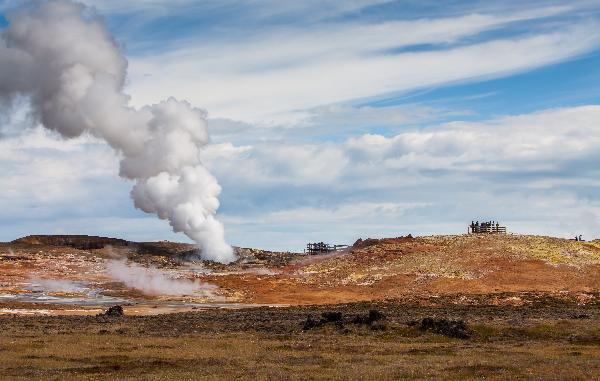
Home to the Great Geysir, from which all geysers get their name. While Geysir itself is mostly dormant, its neighbor, Strokkur, erupts every 5-10 minutes, shooting a column of boiling water 15-20 meters into the air. The area is filled with bubbling mud pots and steaming vents.
Gullfoss Waterfall
The “Golden Waterfall” is a powerful two-tiered cascade that plummets 32 meters into a deep canyon. On sunny days, rainbows are often visible in the mist. There are walking paths along the edge offering spectacular views from above and at river level.
Transportation & Tours
The Golden Circle is easily accessible by rental car. Alternatively, numerous guided bus tours are available from Reykjavík, ranging from large coaches to smaller mini-bus experiences that may include extra stops like a greenhouse tomato farm or a secret lagoon.
4. South Coast Adventure: Waterfalls, Black Sand Beaches & Jökulsárlón
The journey along Iceland’s South Coast is a highlight reel of waterfalls, glaciers, and volcanic beaches. A multi-day trip is recommended to fully appreciate this region.
Seljalandsfoss & Skógafoss Waterfalls
Seljalandsfoss: A graceful 60-meter waterfall where you can walk on a path that goes completely behind the cascade. Wear waterproof clothing as you will get wet. A hidden waterfall, Gljúfrabúi, is located a short walk to the left, tucked inside a canyon.
Skógafoss: One of Iceland’s biggest and most iconic waterfalls, with a powerful 25-meter wide curtain of water dropping 60 meters. A staircase leads to a viewing platform at the top for a breathtaking perspective. This waterfall marks the start of the famous Fimmvörðuháls hiking trail.
South Coast Seascapes & Vik
The coastline features dramatic sea cliffs, bird colonies, and the famous Reynisfjara Black Sand Beach near the village of Vík. Caution is paramount here due to “sneaker waves” that are unpredictable and powerful. Admire the Reynisdrangar basalt sea stacks rising from the ocean, which Icelandic folklore says are trolls turned to stone.
Jökulsárlón Glacier Lagoon & Diamond Beach
A breathtaking glacial lagoon filled with icebergs calved from the Breiðamerkurjökull glacier. Boat tours (amphibious or zodiac) are available to navigate among the floating ice. Across the road, on the black sand beach of Breiðamerkursandur, smaller icebergs wash ashore, glittering like diamonds against the dark sand—a phenomenal photo opportunity.
Crystal Blue Ice Cave Tour
A winter-only experience (typically November to March). These natural caves form at the edge of glaciers, like Vatnajökull. The ice compresses over centuries, squeezing out air bubbles and creating an intense blue color. Visiting an ice cave requires a guided tour with a certified operator for safety, as conditions are constantly changing.
5. Whale Watching from Reykjavík or Húsavík
Iceland is one of the best places in Europe for whale watching. While Húsavík in the north is dubbed the “Whale Watching Capital of Europe,” excellent tours also depart from Reykjavík’s Old Harbour.
Common Species: Minke whales, humpback whales, white-beaked dolphins, and harbor porpoises. Orcas are also sometimes spotted, especially in winter.
Tour Options: Choose from traditional large boats for stability or faster RIB (Rigid Inflatable Boat) tours for a more adventurous and intimate experience.
Best Time: Tours run year-round, but the peak season is from April to October when sightings are most frequent and weather is more favorable.
What to Wear: Even in summer, it can be very cold on the water. Operators provide warm flotation suits, but dressing in layers is essential.
6. The Blue Lagoon & Sky Lagoon
A visit to a geothermal spa is an essential Icelandic experience.
The Blue Lagoon
Located in a lava field near Grindavík and conveniently close to Keflavík Airport, the Blue Lagoon is world-famous. Its milky-blue, mineral-rich waters are renowned for their skin-healing properties.
Booking: Pre-booking is mandatory. Choose from Comfort, Premium, or Luxury Retreat Spa packages.
Amenities: The entrance fee includes a silica mud mask, a towel, and your first drink. In-water massages and skincare treatments are available for an extra cost.
Tips: Apply conditioner to your hair before entering to protect it from the minerals. Shower thoroughly without your swimsuit before entering, as is customary in Iceland.
The Sky Lagoon
A newer rival located in Reykjavík, Sky Lagoon offers a more dramatic infinity-edge view of the North Atlantic Ocean. Its signature “7-Step Ritual” includes a cold plunge, sauna, sky view, and body scrub for a complete spa experience.
7. Departure: Transfer Back to Keflavík Airport
The journey concludes with a transfer back to KEF. It is crucial to plan this carefully.
Flybus/Private Transfer: Book your return shuttle or private transfer in advance. Specify your pickup location and allow plenty of time (typically 3 hours before your flight).
Rental Car Return: If you have a rental car, refuel near the airport and follow signs for the rental return area. Allow extra time for inspection and paperwork.
Final Stop at Blue Lagoon: Many travelers choose to visit the Blue Lagoon on their way to the airport, as it is located between Reykjavík and KEF. You can store your luggage there while you relax.
Cultural Insights & Etiquette
Tipping: Tipping is not customary or expected in Iceland. Service charges are included in all prices.
Sustainability: Icelanders have a deep respect for nature. Always stay on marked paths, do not walk on moss as it takes decades to grow back, and never leave any litter behind.
The Swimsuit Shower: It is mandatory by law to shower thoroughly without your swimsuit before entering any public pool or geothermal spa. It’s a matter of hygiene, not modesty.
“Þetta reddast”: This common Icelandic phrase means “It will all work out okay,” reflecting the nation’s resilient and pragmatic spirit in the face of challenging nature and weather.
Final Practical Tips
Weather: Iceland’s weather is notoriously unpredictable. Dress in layers (thermal base layer, insulating mid-layer, waterproof/windproof outer layer) regardless of the season.
Road Safety: Check road.is and safetravel.is for current conditions. Be aware of high winds when opening car doors and always fill up your gas tank when you see a station in rural areas.
Northern Lights (Aurora Borealis): Visible from late September to mid-April. They require clear, dark skies and solar activity. Use aurora forecast apps and consider a guided tour for the best chance of seeing them.
Budgeting: Iceland is expensive. Save money by booking accommodation and cars well in advance, buying groceries from Bonus or Krónan supermarkets, and utilizing free natural attractions.
A journey through Iceland is an encounter with raw, elemental forces of nature. From the moment you land until you depart, you are immersed in a landscape that is both serene and powerful, leaving an indelible mark on every traveler.