The Ultimate Iceland Ring Road & South Coast Adventure: Reykjavik to Jökulsárlón
This comprehensive travel guide details a classic Icelandic itinerary, a loop that combines the cultural heartbeat of the capital with the raw, untamed power of its most iconic natural wonders. The journey from Reykjavik to the Glacier Lagoon and back along the South Coast encapsulates the very essence of Iceland—a land of fire and ice, where volcanoes simmer beneath glaciers, waterfalls cascade from cliffs, and black sand beaches meet the raging North Atlantic.
Trip Overview
This itinerary is typically undertaken over 5 to 7 days, allowing for a comfortable pace to absorb the stunning landscapes. It begins and ends in Reykjavik, venturing first to the Snæfellsnes Peninsula, often called “Iceland in Miniature,” before circling back to tackle the world-famous Golden Circle. The route then follows the dramatic South Coast, culminating at the jewel-like Jökulsárlón glacier lagoon and Diamond Beach, with optional, highly recommended additions like a blue ice cave tour. The return journey revisits the powerful South Coast waterfalls.
Duration: 5-7 days
Style: Self-drive road trip or guided multi-day tours
Best Time to Visit: Summer (June-August) for midnight sun and accessibility; Winter (November-March) for Northern Lights and ice caves, but with more challenging weather.
Key Themes: Glaciers, waterfalls, volcanic landscapes, geothermal activity, and unique coastal formations.
Part 1: Reykjavik – The Northernmost Capital
Reykjavik, a compact and colorful city, serves as the perfect gateway to Iceland. It blends quirky charm, a vibrant cultural scene, and a relaxed atmosphere with all the amenities a traveler needs.
Attractions & Experiences
Hallgrímskirkja Church: This iconic expressionist church, inspired by Iceland’s basalt landscapes, dominates the city skyline. Visitors can take an elevator to the top of the tower for a panoramic view of the city’s colorful rooftops and the surrounding mountains and sea.
Harpa Concert Hall: A architectural masterpiece on the waterfront, Harpa’s geometric glass facade reflects the sky and harbor. Even without attending a concert, it’s worth wandering inside to admire the interplay of light and structure.
Sun Voyager (Sólfar): This striking steel sculpture on the seaside promenade resembles a Viking longship but is officially an “ode to the sun.” It’s a popular spot for photos, especially at sunset.
Perlan (The Pearl): Located on Öskjuhlíð hill, this glass-domed building offers another excellent viewing platform. It also houses a natural history museum and a remarkable indoor ice cave replica.
Laugavegur Street: The main shopping and dining street, lined with boutiques, art galleries, cafes, and bars. It’s the heart of the city’s social life.
Food & Drink
Reykjavik’s food scene is innovative and often focuses on fresh, local ingredients.
Must-Try Foods: Icelandic lamb, fresh seafood (especially cod, arctic char, and langoustine), and skyr (a thick, protein-rich dairy product).
Local Experience: Try a pylsa (Icelandic hot dog) with “the works” from Bæjarins Beztu Pylsur, a famous hot dog stand. For a more adventurous palate, sample fermented shark (hákarl) at a place like Café Loki.
Dining Recommendations: From fine dining at Dill (Iceland’s first Michelin-starred restaurant) to casual fare at seafood shacks like Saegreifinn (The Sea Baron), there’s something for every budget.
Accommodation Tips
Reykjavik offers a wide range of accommodation, from luxury hotels to cozy guesthouses and hostels. It’s advisable to book well in advance, especially during peak season. Areas like Miðbær (the city center) and 101 Reykjavik are ideal for being within walking distance of major attractions.
Cultural Insight
Reykjavik embodies the Icelandic spirit of resilience and creativity. The city has a thriving art and music scene. Icelanders are generally reserved but friendly and have a deep, almost spiritual connection to their nature, which is evident in their literature, art, and environmental policies.
Part 2: Snæfellsnes Peninsula – Iceland in Miniature
A two-to-three-hour drive north from Reykjavik leads to the Snæfellsnes Peninsula, a region that packs a vast array of Icelandic landscapes into one accessible area, crowned by the glacier-capped stratovolcano, Snæfellsjökull.
Attractions & Experiences
Snæfellsjökull National Park: Made famous by Jules Verne’s “Journey to the Center of the Earth,” this glacier is the park’s centerpiece. The surrounding park features lava fields, caves, and dramatic coastlines.
Kirkjufell Mountain: Often cited as the most photographed mountain in Iceland. Its distinct arrowhead shape, often paired with the nearby Kirkjufellsfoss waterfall, is a breathtaking sight.
Arnastapi & Hellnar: Charming coastal villages connected by a scenic coastal path. Look for the Gatklettur stone arch and the basalt columns at Arnarstapi.
Djúpalónssandur & Dritvík: A dramatic black pebble beach littered with the rusted remains of a shipwrecked trawler. Here, visitors can test their strength on the historic “lifting stones” once used to hire fishermen.
Búðir Black Church (Búðakirkja): A small, stark black wooden church set against a vast lava field, creating a hauntingly beautiful and photogenic scene.
Transportation
The Snæfellsnes Peninsula is best explored by car. A regular 2WD vehicle is sufficient for the main ring road of the peninsula (Route 54) during summer. The journey from Reykjavik and a full loop of the peninsula can be done as a long day trip, but an overnight stay in a town like Grundarfjörður or Stykkishólmur is highly recommended.
Part 3: The Golden Circle – The Classic Route
Returning to Reykjavik, the next leg is the world-renowned Golden Circle, a compact route covering about 300 kilometers that showcases three of Iceland’s most popular attractions.
Attractions & Experiences
Þingvellir National Park: A site of profound historical and geological significance. It is where the North American and Eurasian tectonic plates are pulling apart, creating a massive rift valley. It was also the original site of Iceland’s parliament, the Alþingi, established in 930 AD.
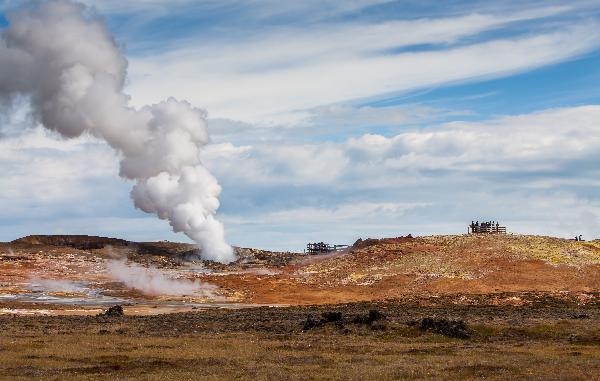
Geysir Geothermal Area: Home to the Great Geysir, from which all others get their name. While Geysir itself is mostly dormant, its neighbor, Strokkur, erupts reliably every 5-10 minutes, shooting a column of boiling water up to 40 meters into the air.
Gullfoss Waterfall (Golden Falls): A massive, two-tiered waterfall where the river Hvítá plunges 32 meters into a deep canyon. The power and scale are awe-inspiring, and on sunny days, rainbows dance in the spray.
Secret Lagoon (Gamla Laugin): For a more authentic and less crowded alternative to the Blue Lagoon, this natural geothermal pool in Flúðir is Iceland’s oldest swimming pool, surrounded by steaming vents.
Transportation & Tours
The Golden Circle is easily accessible from Reykjavik. Countless bus tours are available for those without a car. Self-driving offers flexibility to explore at one’s own pace and visit secondary sites like the Friðheimar tomato farm for a lunch inside a greenhouse.
Part 4: The South Coast to Jökulsárlón
This is where the journey into Iceland’s wild interior truly begins. The South Coast road (Route 1) winds past some of the country’s most spectacular and accessible natural wonders.
Attractions & Experiences
Seljalandsfoss Waterfall: A graceful waterfall that drops 60 meters over a cliff. Its unique feature is the pathway that allows visitors to walk completely behind the curtain of water—a truly immersive experience. Remember to wear waterproof clothing!
Skógafoss Waterfall: A powerful, broad waterfall that crashes down 60 meters. A staircase leads to a viewing platform at the top for a stunning overview of the South Coast. This waterfall is often accompanied by a brilliant rainbow on sunny days.
Sólheimasandur Plane Wreck: The eerie wreckage of a US Navy DC-3 that crash-landed on the black sand beach in 1973. The site is now a famous photographic subject. Note: The walk from the parking area is a flat but long 4km (one-way).
Reynisfjara Black Sand Beach: Near the village of Vík, this is one of the world’s most beautiful yet dangerous beaches. Its striking features include towering basalt sea stacks (Reynisdrangar), a cave of basalt columns, and immense waves. Critical Warning: Always keep a safe distance from the water due to “sneaker waves” which are unpredictable and powerful enough to drag people out to sea.
Jökulsárlón Glacier Lagoon: A breathtaking lagoon filled with icebergs calved from the Breiðamerkurjökull glacier. Boat tours (amphibious or zodiac) offer a close-up view of the floating ice sculptures in various shades of blue and white.
Diamond Beach: Just across the road from Jökulsárlón, where icebergs wash ashore on the black sand beach, glistening like diamonds against the dark volcanic sand. It’s a photographer’s paradise, especially at sunrise or sunset.
The Blue Ice Cave Experience
A winter-only addition (typically November to March), exploring a natural blue ice cave is a highlight for many visitors. These caves form at the edge of glaciers like Vatnajökull and are accessible only through guided tours with certified operators. The otherworldly blue light filtering through the ice creates a magical and unforgettable experience. Safety is paramount; never attempt to enter an ice cave without a professional guide.
Food & Accommodation
The South Coast has limited but growing amenities. The towns of Vík and Kirkjubæjarklaustur offer hotels, guesthouses, and restaurants serving hearty Icelandic fare. For more flexibility, consider self-catering accommodations. A popular stop for food is the restaurant at Jökulsárlón, which offers soups and sandwiches with a view of the lagoon.
Part 5: The Return Journey to Reykjavik
The drive back to Reykjavik along the South Coast provides an opportunity to see the waterfalls in a different light or visit any sites missed on the way out. It’s also a chance to reflect on the incredible diversity witnessed in just a few days.
Optional Stops
Skaftafell Nature Reserve: Part of Vatnajökull National Park, this area is a hiker’s paradise with trails leading to viewpoints like Svartifoss waterfall, famed for its backdrop of dark basalt columns.
The Lava Centre: An interactive, high-tech exhibition about Iceland’s volcanic activity, located in Hvolsvöllur. It’s an excellent educational stop, especially for families.
Practical Travel Information
Transportation: Self-Drive vs. Guided Tours
Self-Drive: Offers maximum flexibility and freedom. A 4×4 is recommended for F-roads (mountain roads) in summer and is often essential for safety in winter due to snow and ice. Always check road conditions at road.is and weather at vedur.is.
Guided Tours: A stress-free alternative, especially for first-time visitors or those traveling in winter. Multi-day tours bundle accommodation and transportation, allowing travelers to relax and enjoy the scenery.
Accommodation Strategy
Booking accommodation months in advance is crucial, particularly for summer travel and popular locations like Vík and near Jökulsárlón. Options range from hotels and guesthouses to farm stays and Airbnb rentals. For budget travelers, hostels and camping (in designated areas) are available.
Packing Essentials
All Seasons: Waterproof and windproof jacket and pants, layered clothing (thermal base layers, fleece), sturdy waterproof hiking boots, swimsuit and towel (for pools and lagoons).
Summer: Eye mask for sleeping during the midnight sun.
Winter: Thermal layers, insulated jacket, hat, gloves, scarf, microspikes or crampons for icy paths, and a tripod for Northern Lights photography.
Cultural & Environmental Etiquette
Sustainability: Iceland’s ecosystem is fragile. Always stay on marked paths to protect vegetation and never walk on moss-covered lava fields.
Swimming Pools: Public pools are a cornerstone of Icelandic culture. Shower thoroughly without your swimsuit before entering, as mandated by hygiene rules.
Tipping: Tipping is not customary or expected in Iceland. Service charges are included in all prices.
The Elves: Respect local folklore; many Icelanders believe in or respect the existence of “hidden people” (elves). It’s considered rude to mock these beliefs.
This journey from Reykjavik through Snæfellsnes, the Golden Circle, and along the South Coast to Jökulsárlón is more than just a vacation; it is an immersion into one of the planet’s most dynamic and beautiful landscapes. With careful planning and respect for the powerful forces of nature, it promises an adventure of a lifetime.