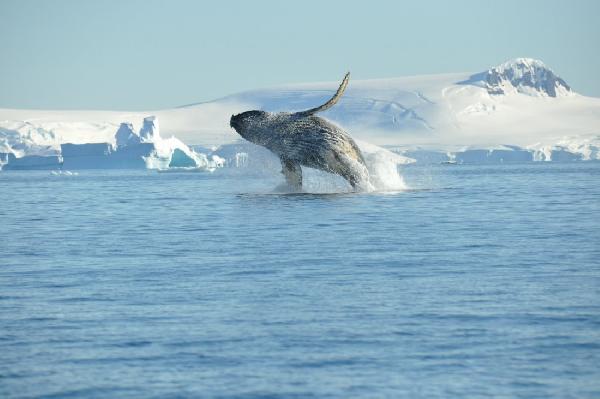
The Ultimate Antarctic Expedition: Ushuaia to the White Continent and Beyond
This comprehensive travel guide details one of the most epic maritime journeys on Earth: the classic Antarctic expedition cruise that begins and ends in Ushuaia, Argentina. This route traverses the legendary Drake Passage, explores the wildlife-rich Falkland Islands and South Georgia Island, and culminates in the surreal landscapes of the Antarctic Peninsula. It is a voyage for the intrepid traveler, offering unparalleled wildlife encounters, profound historical insights, and a deep connection with the planet’s last great wilderness.
Introduction: The Journey of a Lifetime
The “Antarctic Circle” expedition, often starting from the southernmost city in the world, Ushuaia, is not merely a cruise but a profound expedition into the heart of the Southern Ocean. This itinerary is typically offered over 18-23 days, allowing for comprehensive exploration of the sub-Antarctic islands and the Peninsula. Travelers aboard specialized ice-strengthened vessels embark on an adventure that follows in the wake of legendary explorers like Shackleton, encountering vast penguin colonies, towering icebergs, and awe-inspiring glaciers. The experience is defined by a spirit of discovery, with itineraries remaining flexible to accommodate weather, ice conditions, and wildlife sightings.
Chapter 1: Ushuaia, Argentina – The End of the World
Nestled between the snow-capped peaks of the Andes and the Beagle Channel, Ushuaia bills itself as “El Fin del Mundo” – the End of the World. This vibrant city is the primary gateway for Antarctic expeditions and deserves exploration before setting sail.
Attraction Introductions
Tierra del Fuego National Park: Argentina’s only coastal national park offers stunning landscapes of mountains, forests, glaciers, and coastline. Visitors can hike trails like Senda Costera, take a photo at the “End of the World” post office, and ride the Southern Fuegian Railway.
Beagle Channel: Boat tours navigate this historic channel, offering views of sea lion colonies, cormorant rookeries, and the iconic Les Eclaireurs Lighthouse.
Martillo Island: Home to a large colony of Magellanic and Gentoo penguins, accessible via guided tours.
Museo Marítimo y del Presidio de Ushuaia: Housed in the city’s former prison, this museum provides a fascinating, if somber, look at the region’s penal history and maritime heritage.
Food Recommendations
Centolla: The star of local cuisine, this king crab is best enjoyed simply boiled or in a rich crab stew.
Cordero Fueguino: Tender, slow-roasted Patagonian lamb, often cooked over an open fire.
Craft Beer: Ushuaia has a burgeoning craft beer scene, with local breweries like Cervecería Beagle offering unique blends inspired by the region.
Accommodation Tips
Ushuaia offers a wide range of accommodations, from luxury hotels like the Arakur Ushuaia Resort & Spa with its breathtaking views, to charming inns and hostels. It is highly recommended to arrive at least one or two days before the ship’s departure to buffer against potential flight delays and to fully experience the city.
Cultural Insights
Ushuaia’s identity is deeply tied to its remote location and its history as a penal colony. This has fostered a resilient and independent spirit among its residents. The city thrives on tourism and adventure, with a palpable sense of anticipation as travelers from around the globe gather for their journey south.
Chapter 2: The Drake Passage – Gateway to Antarctica
The Drake Passage is the infamous body of water between Cape Horn and the Antarctic Peninsula, where the Atlantic, Pacific, and Southern Oceans converge. Crossing it is a rite of passage.
The Experience
The Drake can be either the “Drake Lake” (calm) or the “Drake Shake” (rough). The swells can be significant, but modern expedition vessels are well-equipped to handle them. The crossing typically takes about two days each way.
Onboard Activities
Lectures: The expedition team, comprising historians, glaciologists, ornithologists, and marine biologists, delivers informative talks to prepare travelers for what they will see.
Wildlife Spotting: The nutrient-rich waters attract numerous seabirds, including Wandering Albatrosses, Giant Petrels, and Cape Petrels, which effortlessly glide alongside the ship.
Biosecurity Procedures: All gear is vacuumed and inspected to prevent introducing invasive species to the pristine Antarctic environment.
Practical Advice
Travelers are strongly advised to take motion sickness medication prophylactically. Staying hydrated, eating light meals, and focusing on the horizon can also help mitigate seasickness.
Chapter 3: The Falkland Islands (Islas Malvinas)
A British Overseas Territory with a complex history, the Falkland Islands are a haven for birdwatchers and nature enthusiasts. The rugged landscape is home to vast sheep farms and incredible biodiversity.
Attraction Introductions
Stanley: The quaint capital feels like a slice of Britain in the South Atlantic. Attractions include Christ Church Cathedral with its iconic whalebone arch, the Falkland Islands Museum, and colorful houses.
Volunteer Point: A highlight for any visitor, this site hosts a massive colony of King Penguins, easily distinguishable by their orange ear patches. They are joined by Gentoo and Magellanic penguins.
Saunders Island: A wildlife spectacular, offering views of Black-browed Albatross colonies, Rockhopper Penguins, and King Penguins all in one location.
Carcass Island: Named after a Royal Navy ship, this rodent-free island is a bird paradise, with plentiful Magellanic Penguins, oystercatchers, and songbirds.
Food Recommendations
In Stanley, pubs like The Victory Bar offer classic British fare and a warm atmosphere. Given the islands’ reliance on imports, fresh local produce is limited, but lamb is a staple and often excellent. Don’t miss a chance to try a traditional “smoko” (a morning or afternoon tea break).
Cultural Insights
The culture is distinctly British, with a strong “Kelper” (islander) identity shaped by isolation and self-reliance. The 1982 conflict between the UK and Argentina is a recent and poignant part of the islands’ history, with memorials and museums dedicated to preserving its memory. Respect for this history is paramount for visitors.
Chapter 4: South Georgia Island – The Serengeti of the Southern Ocean
Often described as the jewel of the Southern Ocean, South Georgia is a place of sublime and almost overwhelming beauty and wildlife density. It is a British Overseas Territory and a site of profound historical significance.
Attraction Introductions
Salisbury Plain, St. Andrew’s Bay, Gold Harbour: These locations feature some of the largest King Penguin colonies on Earth, with hundreds of thousands of birds creating a deafening, mesmerizing spectacle. The beaches are also crowded with massive elephant seals and fur seals.
Grytviken: This historic whaling station is the final resting place of Sir Ernest Shackleton. Visitors can pay their respects at his grave, explore the whaling museum in the Norwegian Lutheran Church, and learn about the island’s industrial past at the South Georgia Museum.
Fortuna Bay: This scenic bay offers the opportunity to retrace the final leg of Shackleton’s epic traverse of South Georgia to reach the whaling station at Stromness.
Prion Island: A carefully managed site (visits often require special permits) where visitors can see nesting Wandering Albatrosses up close.
Practical Information & Cultural Insights
Landings on South Georgia are highly regulated to protect its fragile ecosystem. All visitors must undergo rigorous biosecurity checks. There is no permanent civilian population; the only residents are scientists and museum staff. The history here is palpable, from the heroic age of exploration to the grim era of industrial whaling, making it a deeply moving destination.
Chapter 5: South Orkney Islands & The Journey South
Often bypassed by shorter itineraries, the South Orkney Islands are a remote archipelago located in the Scotia Sea. The primary destination here is Coronation Island.
Attraction Introductions
Laurie Island: Home to Orcadas Base, an Argentine scientific research station that is one of the oldest continuously inhabited bases in Antarctica. Visits are not always guaranteed but offer a unique glimpse into polar science.
Powell Island: A designated Important Bird Area (IBA), it hosts large colonies of Chinstrap and Adélie penguins.
Scenic Cruising: The approach to the South Orkneys offers stunning vistas of tabular icebergs and pack ice, signaling the true arrival in the Antarctic region.
Chapter 6: The Antarctic Peninsula – The White Continent
The crown jewel of the expedition, the Antarctic Peninsula is a land of dramatic contrasts: towering mountains, immense glaciers, and ice-choked waterways teeming with life.
Attraction Introductions
Landings and Zodiac Cruises: The core of the Antarctic experience. Travelers disembark via sturdy Zodiac boats to walk amongst penguin colonies (Gentoo, Chinstrap, and Adélie), visit historic huts, and witness seals basking on ice floes.
The Lemaire Channel: Dubbed “Kodak Gap,” this narrow, spectacular channel is flanked by steep cliffs and glaciers. Navigating it is weather-dependent but unforgettable.
Deception Island: A volcanic caldera that ships can sail into. Visitors can land at black-sand beaches like Whalers Bay, see the remains of a whaling station, and even take a polar plunge in the geothermally heated water.
Paradise Bay & Neko Harbour: These locations offer some of the most stunning scenery on the continent and opportunities to set foot on the Antarctic mainland. The sound of calving glaciers is a common and thrilling occurrence.
Scientific Bases: Visits to active research stations like Ukraine’s Vernadsky Station (known for its homemade vodka) or Poland’s Arctowski Station provide insight into international scientific cooperation in this extreme environment.
The Onboard Experience: Food & Accommodation
Life onboard the expedition vessel is comfortable and focused on exploration. Meals are typically served buffet-style in a communal dining room and are of high quality, designed to fuel passengers for their adventures. Accommodation ranges from functional cabins to more luxurious suites, but all are a cozy retreat after a day of exploration. The ship itself is the primary accommodation for the entire voyage once it departs Ushuaia.
Cultural Insights: The Antarctic Treaty
Antarctica has no indigenous human population and is governed by the Antarctic Treaty System, which dedicates the continent to peace and scientific research. Visitors are bound by the principles of the treaty and IAATO (International Association of Antarctica Tour Operators) guidelines, which enforce strict rules to minimize human impact: maintaining distance from wildlife, not walking on fragile vegetation, and leaving no trace.
Chapter 7: The Return via Drake Passage & Ushuaia
The journey northward across the Drake Passage provides time for reflection and consolidation. The expedition team often holds recap sessions and shares photographs. Upon returning to Ushuaia, travelers disembark with a newfound appreciation for the fragility and power of the southern polar region.
Post-Voyage Tips
It is wise to book a flexible flight out of Ushuaia, allowing for a day or two after disembarkation in case of delays due to weather during the return crossing. This also provides an opportunity to decompress and process the incredible experience before traveling home.
Conclusion: A Transformative Expedition
A journey from Ushuaia through the Southern Ocean to Antarctica is more than a vacation; it is a pilgrimage. It connects travelers to the raw power of nature, the heroism of past explorers, and the urgent need to protect one of Earth’s last wild places. The memories of throngs of penguins, the silence of a glacial landscape, and the camaraderie forged aboard ship will last a lifetime, leaving an indelible mark on all who undertake this epic voyage.