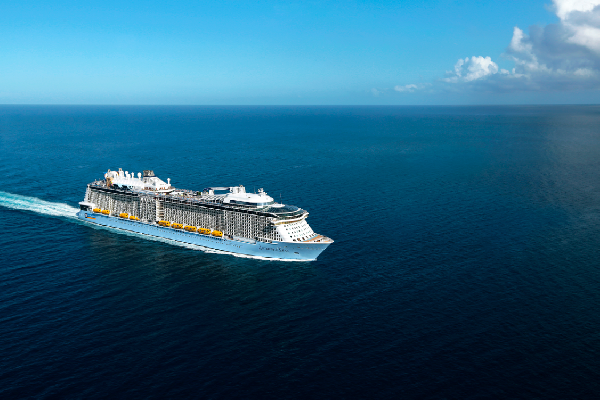
Sydney to New Zealand Fjords: A Grand Sea Voyage
Embarking on a sea voyage from Sydney, Australia, to the majestic fjords of New Zealand’s South Island is a journey of a lifetime. This itinerary, typically offered as a 12 to 14-day cruise, weaves together the vibrant urban energy of iconic cities with the raw, untamed beauty of some of the planet’s most stunning natural landscapes. It is a tale of two worlds: the sun-drenched, cosmopolitan harbor of Sydney and the deep, silent fjords carved by ancient glaciers. This guide will walk you through the experience, from the bustling departure point to the serene fjords and the charming ports in between.
Departure: Sydney, Australia
Sydney is more than just a departure point; it is a world-class destination that deserves exploration before you set sail. The city’s iconic skyline, dominated by the Sydney Opera House and the Harbour Bridge, is a breathtaking sight from the water as your ship glides out of Circular Quay.
Attractions: Spend at least a day or two pre-cruise exploring. A guided tour of the Sydney Opera House is essential to appreciate its architectural genius. For the adventurous, the BridgeClimb offers unparalleled 360-degree views of the harbor. The Royal Botanic Garden, The Rocks historic district, and Bondi Beach are also must-visit spots.
Food & Culture: Sydney’s food scene is a reflection of its multicultural fabric. Enjoy fresh seafood at the Sydney Fish Market, sample modern Australian cuisine at a harborside restaurant, or explore the diverse culinary offerings in neighborhoods like Surry Hills and Chinatown. The city’s culture is laid-back yet sophisticated, with a strong emphasis on outdoor living and coffee culture.
Practical Tip: Arrive in Sydney at least two days before your cruise to account for any travel delays and to combat jet lag. Consider purchasing an Opal card for easy access to public transport, including ferries that offer fantastic harbor views.
At Sea: The Tasman Sea Crossing
The journey from Sydney to New Zealand involves crossing the Tasman Sea, which can be unpredictable. These sea days are not merely transit; they are an integral part of the cruise experience.
Onboard Experience: Modern cruise ships are floating resorts. Take this time to enjoy the amenities: relax by the pool, indulge in spa treatments, attend enrichment lectures about New Zealand’s geography and Maori culture, watch live shows, or simply find a quiet spot with a book and watch the ocean.
Wildlife Watching: Keep a watchful eye on the sea. Albatrosses, petrels, and other seabirds are constant companions. You might even be lucky enough to spot dolphins or whales playing in the ship’s wake.
Practical Tip: The Tasman Sea can be rough. If you are prone to seasickness, come prepared with medication, acupressure bands, or ginger candies. The middle of the ship on a lower deck typically experiences the least motion.
Fiordland National Park: A Symphony of Stone and Water
The crown jewel of this itinerary is the day spent cruising through the pristine wilderness of Fiordland National Park, a UNESCO World Heritage site. The ship slows to a near-silent crawl, allowing passengers to absorb the awe-inspiring scenery. Park rangers often board the ship to provide commentary.
Milford Sound / Piopiotahi
Milford Sound is the most famous of all the fjords, and for good reason. As you enter, you are dwarfed by sheer rock faces that rise vertically from the dark water, their peaks often shrouded in mist.
Attractions: The most iconic sight is Mitre Peak, which rises an astonishing 1,692 meters (5,551 feet) directly from the sea. Waterfalls are everywhere, with Stirling Falls and Bowen Falls being the most prominent. On a rainy day, which is common, hundreds of temporary “silver” waterfalls cascade down the cliffs—a truly magical sight.
Wildlife: Look for colonies of New Zealand Fur Seals basking on the rocks at Seal Point. You might also spot Fiordland Crested Penguins, especially in the quieter months.
Practical Tip: Be on deck early for the entrance into Milford Sound. The weather can change in an instant, so dress in layers with a waterproof outer shell. Binoculars are essential for wildlife spotting.
Doubtful Sound / Patea
If Milford is the dramatic star, Doubtful Sound is the serene and mysterious sibling. It is larger, wider, and feels even more remote.
Attractions: The journey through Doubtful Sound is characterized by a profound sense of peace and isolation. The silence is broken only by the sound of waterfalls and bird calls. Keep an eye out for the “bowing trees” on the hillsides, permanently shaped by the prevailing winds.
Experience: Many cruises schedule a “sound of silence” moment here, where the captain turns off the engines, allowing passengers to fully immerse themselves in the untouched natural soundscape.
Dusky Sound / Tamatea
Dusky Sound is a complex network of islands, channels, and fjords. It was a place of significance for both Maori and early European explorers.
Attractions: The ship navigates through a labyrinth of islands like Resolution Island and Anchor Island. The scenery is lush and densely forested. The history here is palpable; Captain Cook spent several weeks here in 1773, repairing his ship, the *Resolution*.
Ports of Call: South & North Islands
Dunedin (Port Chalmers)
Dunedin is often called the “Edinburgh of New Zealand,” a title reflected in its Scottish heritage and Victorian and Edwardian architecture.
Attractions: A highlight is a trip to the Otago Peninsula, home to incredible wildlife. You can visit the Royal Albatross Centre at Taiaroa Head, the world’s only mainland breeding colony for these majestic birds. Nearby, you can see Yellow-eyed Penguins and New Zealand Fur Seals.
City & Culture: In the city itself, explore the beautifully restored Dunedin Railway Station, visit Olveston House, or take a tour of the Speight’s Brewery. The University of Otago adds a youthful vibrancy to the city.
Food: Dunedin is known for its cheese rolls—a simple but delicious local specialty. The region also produces excellent craft beer and chocolate.
Practical Tip: Wildlife tours on the peninsula often require advance booking due to their popularity and conservation limits.
Christchurch (Port of Lyttelton)
Christchurch is a city in rebirth, innovatively rebuilding itself after devastating earthquakes in 2010 and 2011.
Attractions: Witness the city’s resilience through transitional projects like the Cardboard Cathedral. The Botanic Gardens remain a beautiful oasis. A poignant must-see is the 185 Empty Chairs memorial, a tribute to earthquake victims. For a different experience, take a drive to a working farm or explore the French-inspired town of Akaroa on Banks Peninsula.
Food & Culture: The city has a burgeoning food scene centered around new markets and innovative restaurants housed in shipping containers at the Re:START Mall (though this has now largely been redeveloped, the spirit continues).
Practical Tip: The city center is spread out due to reconstruction. Consider using the public shuttle or a hop-on-hop-off bus to get around efficiently.
Wellington
New Zealand’s cool little capital is nestled between a magnificent harbor and lush green hills. It packs a cultural punch far greater than its size would suggest.
Attractions: No visit is complete without Te Papa Tongarewa, the national museum, which offers fascinating and interactive exhibits on New Zealand’s history, nature, and culture. Take the cable car up to Kelburn for panoramic views and explore the beautiful Botanic Garden. A stroll through the vibrant Cuba Street precinct is also highly recommended.
Food & Culture: Wellington boasts more cafes and restaurants per capita than New York City. It’s the birthplace of the famous Flat White coffee. It’s also the heart of New Zealand’s film industry—Weta Workshop offers incredible behind-the-scenes tours of their special effects and prop-making magic.
Practical Tip: Wellington is famously windy—hold onto your hat! The compact city center is very walkable.
Picton
Picton is the picturesque gateway to the South Island’s Marlborough Sounds, a stunning network of sea-drowned valleys.
Attractions:The main activity is getting out on the water. Scenic cruises through the Queen Charlotte Sound offer breathtaking views and chances to see dolphins, seals, and seabirds. For the active traveler, a section of the renowned Queen Charlotte Track offers stunning coastal walks.
Food & Drink: Picton is your access point to the Marlborough wine region, world-famous for its Sauvignon Blanc. Many shore excursions include wine tours and tastings at several of the region’s top wineries.
Practical Tip: If you’re not on an organized tour, the town itself is small and easily explored on foot. The waterfront pathway is lovely for a stroll.
The Return Journey: At Sea & Arrival in Sydney
The voyage back across the Tasman Sea provides time to reflect on the incredible experiences and slowly transition back to reality. It’s a chance to revisit your favorite spots on the ship, exchange contact information with new friends, and sort through your photographs.
Disembarkation:The ship will typically arrive back in Sydney early in the morning. Disembarkation is a structured process based on your flight schedules or assigned tags. Have one last breakfast onboard and patiently wait for your group to be called.
Practical Tip: If you have a late flight home, many cruise lines offer shore excursions that end at the airport, or you can store your luggage at Circular Quay and spend your final hours exploring The Rocks or enjoying one last Sydney coffee.
Cruise Travel Tips & Local Insights
Booking Excursions: While you can explore some ports like Wellington and Picton independently, for nature-based destinations like Dunedin’s peninsula or Milford Sound (if offered as an excursion from another port), booking through the ship is often more reliable due to timing and distance.
Packing: Pack for all seasons, even on one trip. The key is layering. Include t-shirts, long sleeves, a warm fleece or sweater, a waterproof and windproof jacket, comfortable walking shoes, and a formal outfit if your cruise has formal nights. Don’t forget sunscreen, sunglasses, and binoculars.
New Zealand Biosecurity: New Zealand has extremely strict biosecurity laws to protect its unique ecosystem. You will be required to fill out a declaration form. Declare any outdoor gear, sports equipment, or food items. There are heavy fines for non-compliance.
Tipping & Currency: Tipping is not a ingrained custom in Australia or New Zealand, though it is appreciated for good service. Most cruise lines automatically add gratuities to your onboard account. The local currencies are the Australian Dollar (AUD) and New Zealand Dollar (NZD). Most places in port accept major credit cards.
Sustainability: Be a responsible traveler. Respect wildlife by keeping a safe distance. Follow marked tracks. Dispose of all rubbish properly. Choose reef-safe sunscreen if swimming. Your actions help preserve these beautiful places for future generations.
A cruise from Sydney to New Zealand’s fjords is an epic journey that contrasts urban sophistication with primordial nature. It’s an experience that will leave you with memories of towering cliffs, serene waters, charming cities, and the warm spirit of Australasia long after you’ve returned home.