Puebla & Cholula: A Guide to Mexico’s City of Angels and the Great Pyramid
Nestled in the shadow of the mighty Popocatépetl volcano, the twin destinations of Puebla and Cholula offer one of Mexico’s most profound and captivating travel experiences. This region is a living tapestry where pre-Hispanic grandeur, colonial elegance, and vibrant modern culture are intricately woven together. Often overlooked by travelers rushing to more famous sites, a journey here reveals the deep, layered soul of Mexico. Puebla, a UNESCO World Heritage site, is known as the “City of Angels” and is celebrated for its exquisite Talavera tilework, majestic churches, and culinary genius. Just a short distance away, the town of Cholula guards a secret: the Great Pyramid of Cholula, the largest pyramid by volume in the world, crowned by a brilliant Spanish church. This guide will lead you through the essential attractions, flavors, and cultural nuances of this unforgettable corner of Mexico.
Part 1: Puebla – The Radiant City of Angels
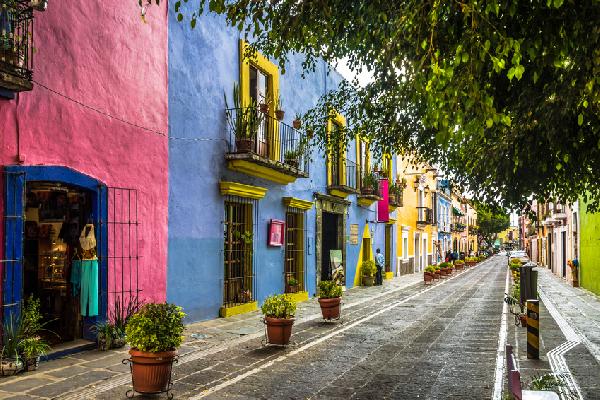
Founded in 1531, Puebla de Zaragoza is a masterpiece of Spanish colonial planning. Its historic center is a symphony of colorful buildings, ornate baroque churches, and bustling plazas. The city’s nickname, “City of Angels” (
Ciudad de los Ángeles), is steeped in legend, with one story claiming angels themselves descended to lay out the city’s streets.
Key Attractions in Puebla
Zócalo (Main Square): The heart of Puebla is its magnificent Zócalo, a sprawling plaza shaded by ancient trees and surrounded by arcades. It’s a social hub where locals gather day and night. On one side stands the imposing Puebla Cathedral, its two towers among the tallest in Mexico. The interior is a breathtaking display of onyx, gold leaf, and classic Renaissance architecture. Take a moment to appreciate the massive 18th-century organ.
Capilla del Rosario (Rosary Chapel): Housed within the Templo de Santo Domingo, this chapel is arguably the pinnacle of Mexican Baroque. Its interior is a delirious explosion of gold stucco, intricate carvings, and figures covered in gold leaf. The sheer opulence is designed to overwhelm the senses and convey the glory of God. It’s a truly awe-inspiring sight that should not be missed.
Biblioteca Palafoxiana (Palafoxiana Library): A haven for bibliophiles, this 1646 library was the first public library in the Americas. Walking in feels like stepping into a scene from a movie. The magnificent baroque bookshelves, made of fine wood, colotape, and gold leaf, house over 45,000 books and manuscripts. The atmosphere is one of profound reverence and history.
Callejón de los Sapos (Alley of the Frogs): This charming, cobblestoned alley is the center of Puebla’s antique trade. On weekends, it transforms into a vibrant flea market where you can find everything from vintage Talavera pottery to old vinyl records and furniture. It’s also lined with charming cafes and bars, making it a perfect spot for an evening drink.
Museo Amparo: This world-class museum presents a stunning collection of pre-Hispanic, colonial, and modern art within two beautifully restored colonial buildings. The curation is exceptional, and the rooftop café offers one of the best panoramic views of the city’s tiled rooftops and church domes.
Barrio del Artista (Artist’s Quarter): A picturesque square where local artists set up their easels to paint and sell their work. You can watch them create landscapes and portraits in real-time, and it’s a great place to pick up a unique, affordable souvenir.
Puebla’s Culinary Scene
Puebla is arguably the culinary capital of Mexico. This is the birthplace of iconic dishes that have become synonymous with Mexican cuisine worldwide.
Mole Poblano: The king of Puebla’s cuisine. This complex sauce is made with over 20 ingredients, including several types of chili peppers, chocolate, spices, nuts, and seeds. It’s slow-cooked for hours and typically served over chicken. Don’t expect a sweet chocolate sauce; it’s rich, savory, smoky, and deeply complex.
Chiles en Nogada: A patriotic dish traditionally served around Mexican Independence Day (September). It consists of a poblano chili stuffed with a sweet-and-savory picadillo (a mixture of meat, fruits, and spices), topped with a creamy walnut sauce (nogada) and sprinkled with pomegranate seeds, representing the colors of the Mexican flag: green, white, and red.
Cemitas: Puebla’s signature sandwich. It’s built on a special sesame-seed egg bread and piled high with breaded and fried beef cutlet (milanesa), avocado, Oaxaca cheese, onions, and the essential herb: pápalo, which has a unique, sharp flavor.
Tacos Árabes: A testament to Puebla’s immigrant history, these are “Arab-style” tacos. Marinated pork is cooked on a vertical spit (like shawarma) and served in a pita-like bread (pan árabe) with a tangy yogurt-based sauce.
Where to Eat: For a classic, upscale experience, try Fonda de Santa Clara. For a more local vibe and incredible Cemitas, head to Antigua Cemita Poblana or Cemitas Las Poblanitas.
Part 2: Cholula – The City of the Great Pyramid
A mere 20-minute drive from central Puebla lies Cholula, one of the oldest continuously inhabited cities in the Americas. To the casual observer, it’s a charming town dominated by the beautiful
Santuario de la Virgen de los Remedios sitting atop a large hill. But this “hill” is, in fact, the Great Pyramid of Cholula, or Tlachihualtépetl (“man-made mountain”), the largest monument ever built by humanity in terms of volume.
The Great Pyramid of Cholula Experience
The experience of visiting the pyramid is one of discovery and layered history.
The Tunnels: The most direct way to comprehend the scale and history of the pyramid is by walking through its nearly 5 miles (8 km) of excavated tunnels. As you walk through these dimly lit passages carved by archaeologists, you can see the different construction phases—the pyramid was built and enlarged by successive cultures over six stages, spanning from the 3rd century BC to the 9th century AD. You are literally walking through a thousand years of history.
The Archaeological Zone: Above ground, you can explore the excavated sections of the pyramid complex. You’ll see the Patio of the Altars, with its intricate pre-Hispanic murals still preserving their original red pigment, and get a sense of the pyramid’s massive base, which covers nearly 45 acres.
The Summit & The Sanctuary: The climb to the top of the pyramid-hill is rewarded with one of Mexico’s most iconic and symbolic views. The Spanish, in a powerful act of religious domination, built the bright yellow Santuario de la Virgen de los Remedios directly on top of the pyramid. Standing there, you see the whitewashed church against the backdrop of the smoking Popocatépetl volcano. This juxtaposition is a physical representation of Mexico’s complex identity—a fusion of indigenous and Spanish cultures.
The Great Pyramid Museum: Located at the site’s entrance, this modern museum provides excellent context. Its collection includes artifacts found during excavations, models of the pyramid’s construction phases, and explanations of the site’s significance as a major center for the cult of Quetzalcoatl.
Exploring Cholula’s Town Center
Don’t rush away after seeing the pyramid. Cholula’s central square, the
Plaza de la Concordia, is lively and beautiful. It’s surrounded by colorful portals housing restaurants and cafes. A short walk away is the immense San Pedro Cholula Church and its adjoining cloister. The real charm lies in wandering the cobblestone streets, discovering the 365 churches—one for every day of the year, according to local lore—that dot the town.
Part 3: Practical Travel Information
Getting There and Around
By Air: The nearest airport is Hermanos Serdán International Airport (PBC), about 30 minutes from Puebla’s center. It has limited international flights. A more common option is to fly into Mexico City (MEX or NLU) and take a bus directly to Puebla.
By Bus: Mexico’s first-class bus service is excellent. Buses from Mexico City’s TAPO or Terminal del Norte bus stations to Puebla’s CAPU bus station run frequently throughout the day. Companies like ADO and Estrella Roja offer comfortable, safe, and affordable rides with stunning views of the volcanoes.
Getting Between Puebla and Cholula: From Puebla’s CAPU bus station, frequent local buses marked “Cholula” or “UTC” make the trip in about 20-30 minutes for a very low fare. Taxis and ride-sharing apps like Uber are also readily available and affordable for this route.
Getting Around Town: Both Puebla’s historic center and Cholula’s main areas are very walkable. For longer distances within Puebla, taxis and Uber are reliable.
Accommodation
Puebla offers a wide range of options. For a first-time visitor, staying in or near the historic center is ideal. You’ll find everything from luxurious hotels in restored colonial mansions (e.g., La Purificadora) to charming boutique hotels and budget-friendly hostels. Cholula, being a university town, has a good selection of boutique hotels and B&Bs that offer a quieter, more local experience.
Local Insights & Travel Tips
The Best Time to Visit: The climate is pleasant year-round due to the high altitude. Spring (Mar-May) has perfect weather. The rainy season is summer (Jun-Sep), with short afternoon showers. September is fantastic for Chiles en Nogada but also coincides with Independence Day celebrations, so book ahead.
A Note on Altitude: Puebla sits at about 7,000 feet (2,135 meters) above sea level. Take it easy for the first day or two, stay hydrated, and avoid heavy meals and alcohol until you acclimate.
Shopping for Talavera: Authentic Talavera pottery is regulated and must meet specific standards. Look for holographic seals on the bottom certifying its authenticity. For the best selection, visit the Talavera de la Luz factory or shops on Calle 6 Oriente in Puebla.
Safety: Puebla is considered one of Mexico’s safest cities. Standard precautions apply: be aware of your surroundings in crowded areas, don’t flash valuables, and use authorized taxi services.
A Perfect Day Trip Combo: Start your day early at the Cholula pyramid to avoid the midday sun. After exploring the tunnels and summit, head into Cholula’s center for lunch. Then, take a bus back to Puebla to spend the afternoon exploring the Zócalo, Capilla del Rosario, and other central attractions before enjoying a famous Poblano dinner.
A Journey Through Layers of Time
A trip to Puebla and Cholula is more than just a vacation; it’s an immersion into the foundational layers of Mexican culture. It’s where you can taste history in a mole sauce, see it in the golden excess of a baroque chapel, and literally walk through it in the tunnels of a man-made mountain. From the spiritual power of standing atop the Great Pyramid to the simple joy of people-watching in Puebla’s Zócalo, this region offers a profound connection to Mexico’s past and present.