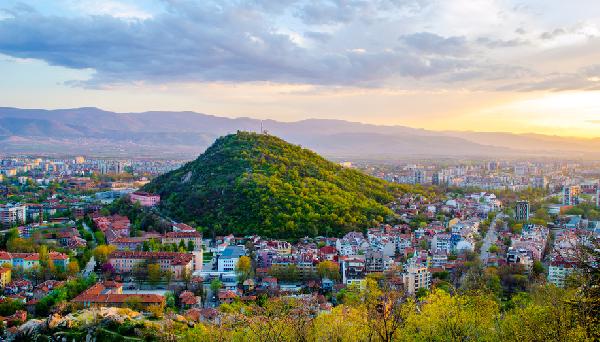
Comprehensive Travel Guide: Budapest to Budapest via Romania, Bulgaria, and Serbia
This guide details a classic Balkan and Carpathian circuit, a journey through historic cities, stunning mountain scenery, and rich cultural crossroads. The route takes you from the grandeur of Budapest, through Transylvanian gems, into the heart of Bulgaria, north through Serbia, and back to your starting point.
Route Overview
Core Route: Budapest (Hungary) → Timișoara (Romania) → Sibiu → Brașov → Sinaia → Bucharest → Veliko Tarnovo (Bulgaria) → Plovdiv → Sofia → Niš (Serbia) → Belgrade → Budapest
Travel Style: This itinerary is ideally suited for a combination of train and bus travel, with occasional car rentals for flexibility. It covers a significant distance, so a minimum of two to three weeks is recommended.
Best Time to Visit: Late spring (May-June) and early autumn (September-October) offer pleasant temperatures, fewer crowds, and beautiful landscapes. Summer can be hot, especially in the cities, and winter offers excellent skiing in the Carpathians.
Detailed Destination Guide
1. Budapest, Hungary (Start/End Point)
Often called the “Queen of the Danube,” Budapest is a city of thermal baths, grand architecture, and a vibrant nightlife, split into the historic Buda and bustling Pest sides.
Key Attractions:
Buda Castle & Fisherman’s Bastion: Offers panoramic views of the city and the Danube.
Hungarian Parliament Building: A stunning example of Neo-Gothic architecture, best seen from the river.
Széchenyi Thermal Bath: One of the largest spa complexes in Europe, a must-do experience.
St. Stephen’s Basilica: A magnificent church housing the holy right hand of St. Stephen.
Dohány Street Synagogue: The largest synagogue in Europe.
Practical Information:
Currency: Hungarian Forint (HUF)
Getting to Timișoara: Direct trains are available, taking approximately 3.5-4.5 hours.
Food to Try: Goulash, Lángos (fried dough), Dobos Torte.
2. Timișoara, Romania
Known as “Little Vienna,” Timișoara is a elegant city with beautiful Secessionist architecture and a pivotal history as the starting point of the 1989 Romanian Revolution.
Key Attractions:
The Three Squares (Piața Victoriei, Piața Libertății, Piața Unirii): Each square is surrounded by stunning Baroque and Art Nouveau buildings.
Timișoara Orthodox Cathedral: A massive Romanian Orthodox cathedral with impressive interior mosaics.
Revolution Memorial Museum: Chronicles the events of the 1989 revolution.
Practical Information:
Currency: Romanian Leu (RON)
Getting to Sibiu: Direct trains run regularly; the journey takes about 4-5 hours through scenic countryside.
Food to Try: Sarmale (cabbage rolls), Mămăligă (polenta), local wines from the Recas region.
3. Sibiu, Romania
A former European Capital of Culture, Sibiu’s historic center is a beautifully preserved gem of Transylvanian Saxon heritage, famous for its “eyes” – unique attic windows that seem to watch you.
Key Attractions:
The Large Square (Piața Mare): The heart of the city, surrounded by colorful Baroque houses and the Brukenthal Palace.
The Liars’ Bridge: A cast-iron bridge with a local legend that it will collapse if a liar stands on it.
Sibiu Lutheran Cathedral: Offers a fantastic view from its tower.
Astra Museum of Traditional Folk Civilization: An excellent open-air museum located just outside the city.
Practical Information:
Getting to Brașov: Trains are available but may require a change. Buses are often faster and more direct (approx. 2.5-3 hours).
Day Trip: Visit the nearby fortified churches of Biertan or the stunning Transfăgărășan Road (if traveling by car and open seasonally).
4. Brașov, Romania
A medieval Saxon city nestled at the foot of the Carpathian Mountains, Brașov is a perfect base for exploring the region, including the famous Bran Castle.
Key Attractions:
Council Square (Piața Sfatului): The main square lined with cafes and dominated by the Council House.
The Black Church (Biserica Neagră): The largest Gothic church in Southeastern Europe, named after a great fire blackened its walls.
Bran Castle: Often associated with the Dracula legend, this castle is a popular day trip (30-45 minutes from Brașov by bus).
Râșnov Fortress: A 13th-century peasant fortress located on the way to Bran.
Tâmpa Mountain: Hike or take the cable car for a superb view over Brașov and the surrounding mountains.
Practical Information:
Getting to Sinaia: Frequent trains connect Brașov and Sinaia; the journey is about 1 hour.
5. Sinaia, Romania
A picturesque mountain resort town known as the “Pearl of the Carpathians,” Sinaia is home to the breathtaking Peles Castle.
Key Attractions:
Peleș Castle: A stunning Neo-Renaissance castle that was the summer residence of the Romanian royal family. Its opulent interior is a must-see.
Sinaia Monastery: A peaceful Orthodox monastery dating back to the 17th century.
Hiking & Skiing: The town provides direct access to the Bucegi Mountains for excellent hiking in summer and skiing in winter.
Practical Information:
Getting to Bucharest: Trains from Sinaia to Bucharest are very frequent and take about 1.5 hours.
6. Bucharest, Romania
The bustling capital of Romania, a city of contrasts where Belle Époque architecture stands next to colossal communist-era structures like the Palace of the Parliament.
Key Attractions:
Palace of the Parliament: The world’s second-largest administrative building. Tours must be booked in advance.
The Old Town (Lipscani): A vibrant area filled with restaurants, bars, and shops in restored historic buildings.
The Village Museum (Muzeul Satului): A superb open-air museum showcasing traditional Romanian village life.
Arcul de Triumf: Bucharest’s own Arc de Triomphe.
Cismigiu Gardens: A beautiful central park for a relaxing stroll.
Practical Information:
Getting to Veliko Tarnovo: The most efficient way is by bus. Several companies operate direct routes; the journey takes approximately 4-5 hours, including the border crossing into Bulgaria.
Food to Try: Mititei (grilled minced meat rolls), Ciorbă de burtă (tripe soup), Papanasi (fried doughnuts with sour cream and jam).
7. Veliko Tarnovo, Bulgaria
The historic capital of the Second Bulgarian Empire, Veliko Tarnovo is dramatically set on several hills overlooking the Yantra River. Its fortress is one of Bulgaria’s most impressive sights.
Key Attractions:
Tsarevets Fortress: A massive medieval stronghold. The Sound and Light show over the fortress is a spectacular event (check schedules).
The Samovodska Charshiya Complex: A street with traditional crafts workshops where you can see artisans at work.
Gurko Street: Offers iconic views of the old houses clinging to the cliffs above the river.
Asen’s Monument: A prominent monument commemorating the kings of the Second Bulgarian Empire.
Practical Information:
Currency: Bulgarian Lev (BGN)
Getting to Plovdiv: Buses are frequent and reliable; the journey takes about 3 hours.
Food to Try: Tarator (cold cucumber and yogurt soup), Shopska salad, Grilled meats.
8. Plovdiv, Bulgaria
One of the oldest continuously inhabited cities in Europe, Plovdiv boasts a magnificent Old Town with Roman ruins and colorful National Revival architecture.
Key Attractions:
The Roman Theatre: A beautifully preserved 2nd-century theatre still used for performances today.
The Old Town: Wander through cobblestone streets past beautifully restored houses like the Balabanov and Hindliyan houses.
The Ancient Stadium of Philippopolis: Partly excavated and visible beneath the main pedestrian street.
The Kapana Creative District: A trendy area full of art galleries, workshops, cafes, and bars.
The Seven Hills: Hike up one of the hills, like Nebet Tepe, for sunset views over the city.