Cairo, Egypt: A Comprehensive Travel Guide
Cairo, the sprawling capital of Egypt, is a city where ancient history and modern life collide on a monumental scale. Known as “Umm al-Dunya” (the Mother of the World), it is a vibrant, chaotic, and utterly captivating metropolis that serves as the gateway to the pharaohs’ legacy. Situated on the banks of the Nile River, Cairo is home to towering pyramids, world-class museums, labyrinthine bazaars, and a rich Islamic heritage. This guide provides practical information and local insights for navigating this incredible city.
Introduction to Cairo
Cairo is one of the largest cities in Africa and the Arab world. Its history is layered, from the nearby ancient capital of Memphis to the Roman fortress of Babylon-in-Egypt, and the Islamic dynasties that founded the core of the modern city, Al-Qahira, in 969 AD. Today, it is a bustling hub of over 20 million people, offering an intense but rewarding experience for travelers. The city’s energy is palpable, from the cacophony of car horns in its bustling streets to the serene call to prayer echoing from minarets at dusk.
Top Attractions and Must-See Sights
The Giza Plateau
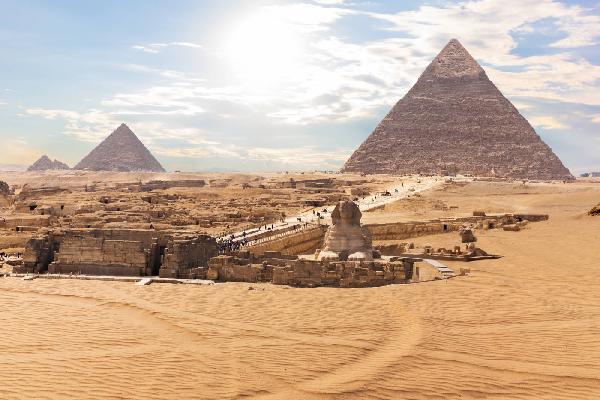
No visit to Cairo is complete without witnessing the last surviving wonder of the ancient world. The Pyramids of Giza and the Great Sphinx are located on the Giza Plateau, on the outskirts of the city.
The Great Pyramid of Khufu: The largest of the three, it was the tallest man-made structure in the world for over 3,800 years. Visitors can enter the interior chambers, though it involves navigating tight, sloping passages.
The Pyramid of Khafre: Appears taller than Khufu’s because it was built on higher ground and still retains some of its original limestone casing at the apex.
The Pyramid of Menkaure: The smallest of the three main pyramids.
The Great Sphinx: The legendary limestone statue with the body of a lion and the head of a pharaoh, believed to represent Khafre, guards the plateau.
Travel Tip: Visit early in the morning to avoid the worst of the crowds and heat. Hiring a knowledgeable guide is highly recommended to understand the history and avoid persistent touts. A camel or horse ride around the plateau offers a classic, if touristy, perspective.
The Egyptian Museum
Located in Tahrir Square, this iconic pink building houses the world’s most extensive collection of Pharaonic antiquities. While many key pieces are being moved to the new Grand Egyptian Museum (GEM), the old museum remains a treasure trove.
Tutankhamun’s Treasures: See the famous golden death mask and the complete collection of artifacts from his tomb.
The Royal Mummy Room: An extra-ticket exhibit where you can come face-to-face with the preserved remains of great pharaohs like Ramses II and Hatshepsut.
Note: The opening of the GEM near the Giza Plateau is imminent. Travelers should check the status, as it will eventually supersede the old museum as the premier destination for Pharaonic artifacts.
Khan el-Khalili Bazaar
This sprawling market in Islamic Cairo is a sensory overload in the best possible way. Established in the 14th century, its narrow alleyways are filled with the scent of perfumes, spices, and sheesha smoke, and the sounds of merchants and craftsmen at work.
Shopping: Find everything from gold and silver jewelry, papyrus paintings, alabaster statues, leather goods, and colorful lanterns.
Cultural Experience: Haggle for goods, sip mint tea at the famous El Fishawy café, and simply soak in the atmosphere.
Islamic Cairo
This historic district is a UNESCO World Heritage site, home to a dense concentration of medieval architecture, mosques, madrasas, and fortifications.
The Citadel: A fortified complex started by Saladin in the 12th century. It offers panoramic views of Cairo and houses the magnificent Mosque of Muhammad Ali, with its grand domes and towering minarets.
Al-Muizz Street: One of the oldest streets in Cairo, often described as an open-air museum of Islamic architecture.
Al-Azhar Mosque: One of the oldest universities in the world, founded in 970 AD.
Sultan Hassan Mosque & Madrasa: A massive Mamluk-era structure considered a masterpiece of Islamic architecture.
Coptic Cairo
This ancient enclave, built within the walls of the Roman fortress of Babylon, represents Egypt’s Christian heritage.
The Hanging Church (Al-Muallaqa): Built atop the fortress’s gatehouse, it is one of the oldest and most famous Coptic churches.
Church of St. Sergius and Bacchus (Abu Serga): Believed to have been built on the spot where the Holy Family rested during their flight into Egypt.
Ben Ezra Synagogue: The oldest synagogue in Cairo, with a rich history.
The Coptic Museum: Houses a vast collection of Coptic Christian art and artifacts.
Culinary Journey: Food and Drink
Egyptian cuisine is hearty, flavorful, and deeply satisfying. Cairo offers everything from street food stalls to upscale restaurants overlooking the Nile.
Must-Try Dishes
Koshary: Egypt’s national dish—a delicious and cheap vegetarian meal of rice, lentils, chickpeas, pasta, and fried onions, topped with a spicy tomato-vinegar sauce.
Ful Medames: A staple breakfast of mashed fava beans seasoned with olive oil, cumin, and lemon, often eaten with bread.
Taameya (Egyptian Falafel): Made from fava beans instead of chickpeas, giving it a distinct green color and fluffier texture.
Molokhia: A green soup made from jute leaves, often served with rabbit or chicken and rice.
Grilled Meats: Try kofta (spiced minced meat skewers) and kebab (grilled meat chunks).
Mahshi: Vegetables like vine leaves, zucchini, and bell peppers stuffed with herbed rice.
Sweets and Drinks
Umm Ali: A traditional bread pudding with nuts and raisins.
Konafa and Basbousa: Sweet pastries made with semolina and soaked in syrup.
Karkadeh: A refreshing hibiscus tea served hot or cold.
Sahlab: A warm, milky winter drink topped with nuts and cinnamon.
Egyptian Coffee: Strong, thick, and often flavored with cardamom.
Dining Recommendations
Street Food & Local Eateries: For an authentic koshary experience, visit Abou Tarek or Koshary El Tahrir. For taameya and ful, Felfela Restaurant (the takeaway branch) is a classic.
Nile View Dining: For a more upscale experience, restaurants on Nile boats (feluccas) or in hotels like the Nile Ritz-Carlton offer stunning views.
Khan el-Khalili Cafés: El Fishawy Café is a historic institution perfect for people-watching over a sheesha and tea.
Getting Around: Transportation
Cairo’s traffic is legendary and can be overwhelming. However, several efficient transportation options exist.
Cairo Metro
The metro is the fastest and most efficient way to bypass traffic. It has three lines and connects key areas like Helwan, Giza (near the pyramids), Ramses Square, and Heliopolis. Note: The first carriage on each train is reserved for women only.
Taxis and Ride-Hailing
Taxis are ubiquitous but ensure they use the meter (“al-3adad”) or agree on a price beforehand. Ride-hailing apps like Uber and Careem are widely used, affordable, and eliminate haggling, making them highly recommended for visitors.
Buses and Microbuses
The public bus network is extensive but can be confusing for non-Arabic speakers. Microbuses (minibusses) are a faster, more chaotic alternative used by locals but are not recommended for first-time visitors due to their informal routes.
Nile Taxis & Feluccas
For a scenic route, public river taxis run along the Nile. A felucca ride at sunset is a quintessential Cairo experience—a peaceful escape from the city’s hustle.
Accommodation Tips: Where to Stay
Zamalek
Located on Gezira Island in the Nile, Zamalek is an upscale, leafy neighborhood known for its art galleries, cafes, and quieter atmosphere. It’s an excellent base for travelers seeking a more relaxed vibe while still being central.
Downtown (Wust al-Balad)
The historic city center around Tahrir Square features grand 19th-century architecture. It is bustling, central, and home to many budget and mid-range hotels. It offers a raw, authentic Cairo experience.
Giza
Staying in Giza provides proximity to the pyramids. Many large chain hotels offer spectacular pyramid views from their rooms. However, it is less central for exploring other parts of Cairo.
The Nile Corniche
This area is lined with many of Cairo’s international five-star hotels (e.g., Four Seasons, Marriott, Sofitel). They offer luxury amenities, multiple dining options, and unparalleled views of the river.
Cultural Insights and Etiquette
Understanding local customs will greatly enhance your experience and interactions.
Greetings: A simple greeting goes a long way. Learn “As-salamu alaykum” (Peace be upon you) with the response “Wa alaykum as-salam.”
Dress Modestly: Both men and women should dress conservatively, especially when visiting mosques or religious sites. Women should carry a scarf to cover their hair inside mosques.
Haggling: Bargaining is expected in markets like Khan el-Khalili. Be polite, friendly, and see it as a game rather than a confrontation. Start at about half the asking price and negotiate from there.
Tipping (Baksheesh): Tipping is deeply ingrained in the culture for small services. Keep small change (5-20 EGP) handy for restroom attendants, hotel staff, guides, and drivers.
Photography: Always ask for permission before photographing people, especially women. Photography inside museums and at certain monuments may require an additional ticket (e.g., inside the Pyramids or the Royal Mummy Room).
Ramadan: If visiting during the holy month of Ramadan, be aware that Muslims fast from sunrise to sunset. It is respectful to avoid eating, drinking, or smoking in public during daylight hours. The city comes alive with special festivities at night.
Practical Information
Visa and Entry
Most nationalities require a visa to enter Egypt. This can often be obtained online as an e-Visa before travel or purchased upon arrival at Cairo International Airport for many countries. Always check the latest requirements with your local Egyptian embassy.
Currency
The local currency is the Egyptian Pound (EGP). ATMs are widely available. While credit cards are accepted in larger hotels and restaurants, cash is king in local markets and for taxis.
Language
The official language is Arabic. English is widely understood in tourist areas, hotels, and by most shopkeepers. Learning a few basic Arabic phrases will be appreciated.
Shopping and Souvenirs
Papyrus: Buy from reputable galleries to avoid fakes made from banana leaves.
Perfume Oils: Cairo is famous for its essential oils.
Gold and Silver: Khan el-Khalili is known for its jewelry.
Spices: Purchase from the spice section of Khan el-Khalili.
Alabaster and Pottery: Often sold by vendors near historical sites.
A Sample 3-Day Cairo Itinerary
Day 1: The Pharaohs’ Legacy
Morning: Explore the Giza Plateau (Pyramids & Sphinx).
Afternoon: Visit the Grand Egyptian Museum (when open) or the Solar Boat Museum.
Evening: Sound and Light Show at the Pyramids.
Day 2: Islamic History and Bazaar Life
Morning: Explore the Citadel and Mosque of Muhammad Ali.
Afternoon: Walk down Al-Muizz Street, visit Al-Azhar Mosque.
Evening: Get lost in Khan el-Khalili Bazaar; have dinner at a traditional restaurant.
Day 3: Christian Heritage and Nile Relaxation
Morning: Discover Coptic Cairo (Hanging Church, Abu Serga).
Afternoon: Visit the Egyptian Museum in Tahrir Square.
Late Afternoon/Evening: Enjoy a felucca ride on the Nile at sunset.
A Final Word
Cairo is not a city that reveals itself easily; it demands engagement. It can be loud, dusty, and chaotic, but it is also generous, historic, and profoundly awe-inspiring. By embracing its rhythm, respecting its culture, and delving into its layers of history, travelers will discover why Cairo has captivated explorers for millennia. A journey here is more than a vacation; it’s a passage through time.