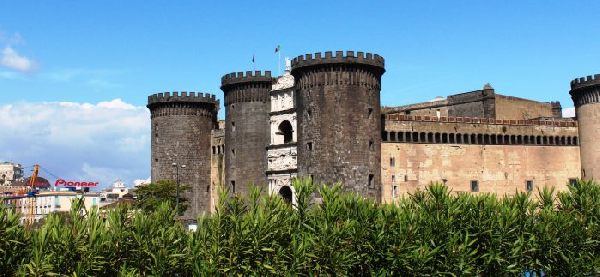
An Epic Italian-Maltese Voyage: Rome, Sicily, the Amalfi Coast, and Malta
This comprehensive travel guide outlines an unforgettable journey through the heart of the ancient world and the crystalline waters of the Mediterranean. The itinerary weaves together the colossal history of Rome and Pompeii, the vibrant and diverse landscapes of Sicily, the dramatic beauty of the Amalfi Coast, and the unique medieval charm of the Maltese archipelago. Travelers can expect a rich tapestry of art, archaeology, cuisine, and natural wonders.
Part 1: Italy – The Mainland & Sicily
Rome: The Eternal City
As the starting point, Rome offers a breathtaking introduction to Italy’s layered history. From the power of the Roman Empire to the grandeur of the Renaissance, the city is an open-air museum.
Key Attractions: The Colosseum, Roman Forum, and Palatine Hill form the epicenter of ancient Rome. The Vatican City, with St. Peter’s Basilica and the Sistine Chapel, is a must-see. Don’t miss the Pantheon, Trevi Fountain, and Spanish Steps.
Food & Drink: Indulge in classic Roman pasta dishes like Cacio e Pepe (cheese and pepper) and Carbonara. Enjoy a slice of thin, crispy pizza al taglio (pizza by the slice) and gelato from a local gelateria.
Transportation: Rome has an extensive metro, bus, and tram system. The historic center is best explored on foot.
Accommodation Tip: Stay in central neighborhoods like Trastevere for a lively, authentic atmosphere, or near Termini Station for convenience as a transport hub.
Cultural Insight: The concept of “la dolce vita” (the sweet life) is palpable here. Embrace long, leisurely meals and an evening stroll, or passeggiata, with the locals.
Pompeii & Naples: Frozen in Time
A short train ride from Rome lies one of the world’s most significant archaeological sites.
Key Attractions: The ruins of Pompeii offer a hauntingly vivid glimpse into Roman life, preserved under the ash of Mount Vesuvius in 79 AD. Allocate at least 4-5 hours to explore the amphitheater, villas, and plaster casts of the victims.
Naples: A gritty, vibrant city often used as a transit point, but worth exploring for its National Archaeological Museum (home to many artifacts from Pompeii) and the historic center, a UNESCO World Heritage site.
Food & Drink: Naples is the birthplace of pizza. Try an authentic Pizza Margherita at a historic pizzeria. Also sample street food like arancini (fried rice balls) and sfogliatella (a shell-shaped pastry).
Transportation: The Circumvesuviana train line connects Naples to Pompeii and Sorrento efficiently and inexpensively.
Sorrento: Gateway to the Amalfi Coast
A charming cliff-top town overlooking the Bay of Naples, Sorrento serves as a perfect, less chaotic base for exploring the region.
Key Attractions: Stroll through Piazza Tasso, enjoy the views from the Villa Comunale park, and descend to the Marina Grande, a picturesque fishing village.
Food & Drink: Sorrento is famous for limoncello, a lemon liqueur. Enjoy seafood pasta and anything with local lemons (delizie al limone).
Transportation: Use Sorrento as a hub for ferries to Capri and buses along the Amalfi Coast road to Positano and Amalfi.
Accommodation Tip: Agriturismos (farm-stays) in the hills above Sorrento offer stunning views and a tranquil experience.
Sicily: The Island of Myths
The journey continues by ferry or flight from Naples to Palermo, diving into the rich cultural mosaic of Sicily.
Palermo: The Heart of Sicilian Culture
Palermo’s history is a fusion of Norman, Arab, and Byzantine influences, visible in its architecture and food.
Key Attractions: The Palatine Chapel with its breathtaking Byzantine mosaics, the bustling markets of Ballarò and Vucciria, the Cathedral of Palermo, and the Catacombs of the Capuchins.
Food & Drink: Street food is king. Try pane e panelle (chickpea fritter sandwiches), arancini, and sfincione (Sicilian pizza). For a sweet treat, try cannoli and cassata.
The Southern Coast: Agrigento & Syracuse
Valley of the Temples (Agrigento): A stunning archaeological park featuring some of the best-preserved Ancient Greek temples outside of Greece, including the Temple of Concordia.
Syracuse (Siracusa): Explore the archaeological park with its Greek Theatre and the Ear of Dionysius. Wander through the beautiful island of Ortygia, with its Duomo built around an ancient Athena temple and the freshwater Arethusa Spring.
The Eastern Coast: Catania, Taormina & Mount Etna
Catania: A vibrant, baroque city built from black lava stone at the foot of Mount Etna. Visit the fish market (‘A Piscaria), Piazza del Duomo, and via Etnea.
Mount Etna: Europe’s largest active volcano. Guided tours offer hikes to crater zones, cable car rides, and insights into the unique volcanic landscape and wine production.
Taormina: A stunning hilltop town with glamorous appeal. The highlight is the ancient Greek Theatre with its iconic view of Mount Etna and the sea. Enjoy the public gardens and the charming Corso Umberto.
Cefalù: A picturesque fishing town on the return journey to Palermo, famous for its magnificent Norman Cathedral with superb mosaics and a lovely sandy beach.
Part 2: Malta – The Archipelago of Knights
A short flight from Sicily or Naples transports you to Malta, a nation with a heroic history and a landscape dotted with megalithic temples and fortified cities.
Valletta: The Fortress Capital
Built by the Knights of St. John, Valletta is a UNESCO World Heritage site packed within immense fortifications.
Key Attractions: St. John’s Co-Cathedral, with its opulent interior and Caravaggio masterpieces; the Grandmaster’s Palace; the Upper Barrakka Gardens for panoramic views of the Grand Harbour; and a walking tour of the city’s grid-like streets.
Food & Drink: Sample traditional Maltese rabbit stew (Fenek), pastizzi (flaky pastries filled with ricotta or peas), and ftira (Maltese bread).
Transportation: Malta’s bus system is extensive and reliable. Ferries connect Valletta to Sliema and the Three Cities across the harbour.
Accommodation Tip: Staying in Valletta offers a central, historic experience. Sliema and St. Julian’s provide more modern hotel options and nightlife.
The Ancient Inland: Mdina & Rabat
Mdina: The “Silent City,” Malta’s ancient capital. This fortified medieval town is a maze of narrow, quiet lanes, baroque palaces, and churches. The views from the bastions are spectacular.
Rabat: Just outside Mdina’s walls, Rabat is home to St. Paul’s Catacombs and offers a more lived-in local atmosphere.
The Island of Gozo: Rural Charm & Prehistory
A short ferry ride from Malta’s main island, Gozo is greener, more rural, and dotted with historical sites.
Key Attractions: The Ġgantija Temples, older than the pyramids of Egypt; the Azure Window site (though the arch collapsed, the area remains dramatic); the Citadel in Victoria (Rabat); and the inland sea of Dwejra.
Cultural Insight: Gozo has a distinct identity from mainland Malta, with its own dialects and traditions. Life moves at a slower pace here.
The Island of Comino & The North
The Blue Lagoon (Comino): A bay of breathtakingly bright turquoise waters over white sand. It is incredibly popular in summer; visit early in the morning or late in the afternoon to avoid the biggest crowds.
The Blue Grotto (Malta): A series of sea caverns on Malta’s southern coast. Take a traditional boat tour from Wied iż-Żurrieq to see the brilliant blue water illuminated by sunlight.
Popeye Village (Mellieha): The original film set for the 1980 Popeye musical, now a fun park and swimming spot. It’s particularly charming for families.
Mellieha Beach & St. Paul’s Bay: Mellieha Bay is one of Malta’s longest sandy beaches, ideal for families. St. Paul’s Bay is a large town known for its resorts, restaurants, and connection to the saint’s shipwreck.
The Dingli Cliffs: Located on Malta’s western coast, these are the highest point on the island. They offer dramatic, unspoiled views of the Mediterranean and are a fantastic spot for sunset.
A Note on Transportation Between Destinations
The itinerary involves multiple modes of transport for an efficient journey:
Italy Mainland: High-speed trains (Frecciarossa) connect Rome to Naples. The Circumvesuviana local train connects Naples to Pompeii and Sorrento.
Sicily: Trains connect major Sicilian cities like Palermo, Agrigento, Catania, and Syracuse. Buses are often needed for smaller towns like Taormina (from Giardini-Naxos station). Renting a car offers maximum flexibility for exploring rural areas.
Sicily to Malta: Regular flights connect Catania and Palermo to Malta International Airport (MLA). A slower but scenic option is an overnight ferry from Catania to Valletta.
Sicily to Mainland Italy: Ferries connect Palermo to Naples.
Within Malta:The bus network is comprehensive. Ferries are used to reach Gozo and Comino. Renting a car is possible but not necessary for a short stay; driving is on the left.
Culinary Journey Highlights
The gastronomy on this trip reflects each region’s history and geography.
Sicily:A land of bold flavors. Arab influences bring saffron, cinnamon, and dried fruit into savory dishes like caponata. Seafood is prevalent everywhere.
Malta:A unique fusion of Sicilian, North African, and British culinary traditions. Look for stuffat tal-fenek (rabbit stew), hobż biż-żejt (bread with oil, tomato, and tuna), and imqaret (date pastries).
Coffee Culture: In Italy, drink coffee like a local: a quick espresso at the bar. In Malta, coffee is also a social ritual, often influenced by Italian styles.
A Note on Timing & Pace
The described route covers significant ground. To fully appreciate it without rushing, a minimum of three weeks is recommended. Travelers can adjust by focusing on specific regions—for example, dedicating one week to Sicily and one week to Malta—for a more in-depth experience.
A Final Cultural Insight: “Piano, Piano”
A common phrase in Italy is “
piano, piano” (slowly, slowly). It encapsulates the Mediterranean approach to life. This journey is not about ticking boxes but about immersing oneself in the atmosphere—savoring a long lunch, getting lost in an ancient alleyway, or simply watching the sea change color at dusk. Embrace this philosophy for a truly transformative travel experience.