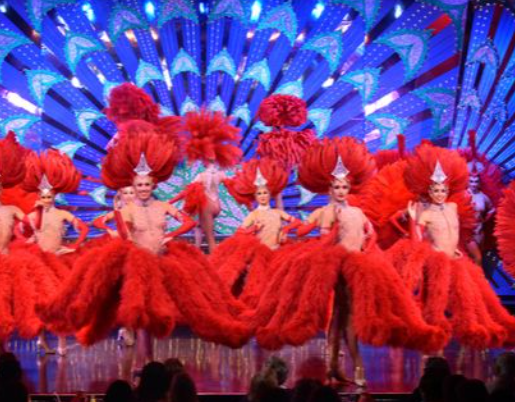
A Traveler’s Guide to Central Paris and the Moulin Rouge
Paris, the City of Light, is a tapestry of grand boulevards, hidden alleyways, and iconic landmarks. This guide focuses on a journey from the heart of Paris to one of its most legendary entertainment districts, Montmartre, home to the world-famous Moulin Rouge. We will explore the transition from the stately elegance of central Paris to the bohemian, artistic hilltop village, culminating in the glittering nightlife of the Boulevard de Clichy.
Part 1: The Heart of Paris – Les Halles to the Opéra
Our journey begins in the 1st arrondissement, a area steeped in history and modern energy. This is the true geographical center of Paris, where you can feel the city’s pulse.
Attractions and Experiences
The Louvre Museum: No visit to central Paris is complete without acknowledging the Louvre. While a comprehensive tour could take days, even viewing the exterior is an experience. The iconic glass pyramid, designed by I.M. Pei, creates a stunning juxtaposition against the classical French Renaissance architecture of the palace. Local Insight: Instead of joining the main pyramid queue, consider the entrance via the Carrousel du Louvre shopping mall, which often has shorter lines. The Tuileries Garden just outside is perfect for a post-museum stroll.
Palais Royal: A short walk north from the Louvre brings you to this serene oasis. Cross into the courtyard and you’ll find the famous “Les Deux Plateaux” installation by Daniel Buren—black and white striped columns of varying heights. It’s a favorite spot for photographers and locals seeking a quiet moment away from the city bustle. The surrounding arcades house elegant boutiques and the legendary restaurant, Le Grand Véfour.
Place Vendôme: Continuing north, you enter a world of unparalleled luxury. The octagonal square is a masterpiece of 18th-century architecture, home to the Ritz Hotel and high-end jewellers like Cartier and Van Cleef & Arpels. The centerpiece is the Vendôme Column, erected by Napoleon and made from melted-down enemy cannons.
Opéra Garnier: Your walk culminates at the magnificent Opéra Garnier, the setting for Gaston Leroux’s “The Phantom of the Opera.” This building is a quintessential example of Napoleon III style, opulently decorated with marble friezes, gilt, and mosaics. Practical Tip: You don’t need a ticket for a performance to appreciate its splendor. Self-guided tours allow you to marvel at the Grand Staircase and Marc Chagall’s breathtaking ceiling painting in the auditorium.
Food and Drink
The area around the Opéra is known for its classic brasseries and historic cafés.
Café de la Paix: A Parisian institution since 1862, directly opposite the Opéra Garnier. It’s perfect for a coffee or a glass of champagne, albeit at a premium price. The people-watching is unparalleled.
Boulangeries and Patisseries: Look for smaller, non-chain bakeries on side streets. A perfect lunch can be a simple jambon-beurre (ham and butter baguette) and a pain au chocolat.
Angelina: Just north of the Tuileries, this tearoom is famous for its ultra-rich hot chocolate, “L’Africain,” and its exquisite Mont-Blanc pastry (meringue, whipped cream, and chestnut vermicelli).
Transportation
This part of the journey is best explored on foot to fully appreciate the architectural transitions. The metro system is excellent for connecting points. Key stations include
Louvre-Rivoli (Line 1), Palais Royal – Musée du Louvre (Line 1 & 7), and Opéra (Lines 3, 7, 8).
Part 2: The Ascent to Montmartre and the Moulin Rouge
From the Opéra, it’s a straightforward journey north into the 9th arrondissement and the foothills of Montmartre. The atmosphere shifts dramatically from corporate elegance to a lively, slightly gritty entertainment district.
The Walk Up: Boulevard de Clichy
Walking from Opéra to Blanche metro station (the home of Moulin Rouge) takes about 20-25 minutes. As you proceed up the Rue Lafitte and onto the Boulevard de Clichy, you’ll notice a proliferation of sex shops, neon-lit clubs, and tourist-trap restaurants. This is Pigalle, Paris’s former red-light district. While safe, it’s wise to be mindful of your belongings and avoid overly aggressive touts.
The Main Attraction: Moulin Rouge
There it is: the iconic red windmill, its sails spinning slowly against the Parisian sky. Inaugurated in 1889, the Moulin Rouge is the birthplace of the modern can-can dance and has been a symbol of Parisian decadence and entertainment for over a century.
The Show: The current show, “Féerie,” is a spectacular two-hour production. It features 1000 costumes of feathers, sequins, and rhinestones, elaborate set pieces, and of course, the famous Doriss Girls, the troupe of dancers who perform the can-can. The show includes a variety of acts, from comedy sketches to incredible aqua-ballet sequences in a giant aquarium that rises from the stage. Objective Description: The performance is highly choreographed, visually stunning, and unapologetically glamorous. It is not high-brow art but a world-class revue designed to dazzle.
Booking and Practicalities:
Book Well in Advance: Shows sell out, sometimes weeks ahead, especially for weekend performances.
Dress Code: While not strictly formal, shorts, sports clothes, and flip-flops are discouraged. “Smart casual” is recommended.
Ticket Options: You can book a show-only ticket or a dinner-and-show package. The dinner is a decent but not exceptional multi-course meal; most travelers agree that the primary value is in securing a good seat and the overall experience.
Cost: This is an expensive experience. Show-only tickets start from around €100, with dinner packages being significantly more.
Photography/Videography: Strictly prohibited during the performance.
Exploring Montmartre Proper
Do not make the mistake of visiting the Moulin Rouge and leaving. The real magic lies just uphill. Walk past the Moulin Rouge and begin your ascent into the village of Montmartre.
Place du Tertre: A bustling square filled with artists painting portraits and landscapes for tourists. While undeniably touristy, it retains a certain charm and offers a glimpse into the area’s artistic history. Picasso and Modigliani once lived and worked nearby.
The Sacré-Cœur Basilica: Climb the steps (or take the funicular for a small fee) to this stunning white basilica. The view from its steps is one of the best panoramic vistas of Paris. The interior is beautiful, with one of the world’s largest mosaics adorning the ceiling. Local Insight: Be wary of groups of people trying to tie “friendship bracelets” on your wrist; it’s a scam that ends with them demanding money.
The Vineyard & Musée de Montmartre: Tucked away on Rue des Saules is Clos Montmartre, Paris’s last remaining vineyard. It produces a small amount of wine each year. Next door is the charming museum that chronicles the area’s artistic history.
Food and Drink in Montmartre
Avoid the overpriced, mediocre restaurants on Place du Tertre. Venture into the surrounding cobbled streets for an authentic experience.
Bistros: Look for traditional bistros serving classics like confit de canard (duck confit) or steak frites.
Cafés: The café culture here is strong. Find a terrace on a quieter street and simply watch the world go by.
Specialty Shops: Montmartre has excellent cheese shops, bakeries, and wine merchants. Consider assembling a picnic to enjoy on the steps of Sacré-Cœur.
Part 3: The Return to Central Paris
After an evening of spectacle in Montmartre, returning to central Paris feels like coming back to a more familiar, yet no less enchanting, world.
The Descent and Journey Back
The easiest way back is via the metro. From
Anvers or Abbesses stations (Line 12), or Blanche (Line 2), you can connect directly to stations like Concorde (Line 12) or Charles de Gaulle – Étoile (Line 2). Alternatively, a late-night taxi or ride-share is readily available.
A Different Vibe: Paris by Night
The return journey offers a chance to see Paris illuminated. Consider getting off at Concorde to see the Place de la Concorde’s fountains and obelisk lit up, with the Eiffel Tower sparkling in the distance (it sparkles for five minutes on the hour every hour after dark). The Champs-Élysées is a river of light, leading up to the majestic Arc de Triomphe.
A Final Nightcap
The central districts are home to many sophisticated wine bars and historic cocktail lounges. A nightcap at a place like
Le Fumoir near the Louvre or The Bar at Hôtel Costes near Rue Saint-Honoré can be a perfect way to end an evening that began with the high-energy can-can and concludes with quiet Parisian elegance.
Culinary Deep Dive: From Bistro to Brasserie
The food on this route reflects the diversity of Paris itself.
Central Paris (1st/2nd Arr.): Leans towards fine dining, historic cafés, and chic wine bars. Dishes are often classic French with modern twists.
The Moulin Rouge Area (Pigalle): This area is a mix of fast-food joints catering to tourists and some genuinely excellent, trendy neo-bistros that have sprung up in recent years as the area gentrifies. Look for places with fixed-price (prix-fixe) menus written on chalkboards.
Montmartre: Offers traditional French comfort food in a rustic setting. This is a great place to try onion soup, pâté, or a hearty pot-au-feu.
A Note on Culture and Etiquette
The Can-Can: Far from just a tourist gimmick, the can-can was once a rebellious and provocative dance performed in the cabarets of Montmartre, challenging bourgeois norms of the 19th century.
“Bonjour” is Key: Always greet shopkeepers, waiters, and bartenders with a polite “Bonjour” or “Bonsoir” before anything else. It is considered basic courtesy.
Tipping: Service charge is included by law in all restaurant bills. It is customary, however, to leave a small extra cash tip (€1-€5 or rounding up the bill) if you received good service.
The Metro: Keep your ticket until you exit the system, as you may be asked to present it for inspection. Hold onto handrails while standing—the rides can be jerky.
A Sample One-Day Itinerary
Morning (9 AM – 1 PM): Start at the Palais Royal, then walk through the gardens to the Louvre’s courtyard (pyramid photos). Continue to Place Vendôme and end at Opéra Garnier (take a tour).
Lunch (1 PM – 2:30 PM): Find a classic brasserie near Opéra or in the Galeries Vivienne for lunch.
Afternoon (2:30 PM – 6 PM): Take the metro to Abbesses. Explore Montmartre: see Sacré-Cœur, wander through Place du Tertre, discover the vineyard and quiet backstreets.
Pre-Show (6 PM – 7 PM): Have an aperitif at a café in Montmartre before walking down to the Moulin Rouge.
The Show (7 PM or 9 PM seating): Arrive at least 30 minutes before your show time. Check your coat, find your seat, and soak in the atmosphere.
Late Evening (11 PM onwards): After the show, take the metro back to central Paris. Enjoy a final stroll along the Seine or a nightcap at a quiet wine bar before heading back to your hotel.
The journey from central Paris to Montmartre is more than just a change of location; it’s a passage through different layers of Parisian history and culture—from royal power and high art to bohemian rebellion and spectacular entertainment. It encapsulates the many souls of this endlessly fascinating city.