A Swiss Alpine Journey: From Geneva to the Jungfrau and Back
This travel guide details a classic Swiss itinerary, taking you from the cosmopolitan shores of Lake Geneva, deep into the heart of the Bernese Oberland, to stand atop one of Europe’s highest peaks, and back. The route from Geneva to Interlaken, Grindelwald, the Jungfraujoch, and Lauterbrunnen is a masterclass in contrasting Swiss landscapes and experiences, blending urban sophistication with raw, alpine majesty.
Part 1: Geneva – The Peaceful Metropolis
Your journey begins in Geneva, a global city that feels surprisingly intimate. Nestled at the southwestern tip of Lake Geneva (Lac Léman) and surrounded by the Alps and Jura mountains, Geneva is a city of diplomacy, finance, and watchmaking, offering a refined start to your adventure.
Attractions & Experiences
Jet d’Eau: The iconic water jet, shooting 140 meters into the air, is the symbol of Geneva. A stroll along the Jardin Anglais (English Garden) provides the perfect vantage point. The power of the jet is palpable, and on a sunny day, the resulting rainbow is a beautiful sight.
The Old Town (Vieille Ville): Get lost in the cobbled streets of this historic hilltop quarter. The centerpiece is St. Peter’s Cathedral, a blend of architectural styles. Climbing the North Tower rewards you with a breathtaking panoramic view of the city, lake, and distant Mont Blanc.
International District: Visit the Palais des Nations, the European headquarters of the United Nations, and see the Broken Chair sculpture opposite, a poignant monument against landmines and cluster bombs.
Pâquis Neighborhood: For a more local experience, wander through this vibrant district. It’s also home to the Bains des Pâquis, a popular pier with a sauna and a simple restaurant, perfect for a plunge into the lake or a fondue.
Food & Drink
Fondue: A must-try Swiss classic. Melted cheese with wine and garlic, served with bread for dipping. Many traditional restaurants in the Old Town serve excellent versions.
Filets de Perche: Small fillets of perch from Lake Geneva, typically pan-fried and served with lemon. A light and delicious local specialty.
Rösti: A crispy shredded potato pancake, often served as a side dish but sometimes topped with cheese, a fried egg, or other accompaniments to make a main course.
Swiss Chocolate: Visit a chocolatier like Auer or Rohr for exquisite artisanal creations.
Transportation & Practical Tips
Geneva Airport (GVA): Upon arrival, go to the baggage reclaim area and get a free public transport ticket for the duration of your stay from the machine. This incredible perk covers buses, trams, and trains within the city.
Getting Around: The city center is very walkable. The tram and bus network is efficient, clean, and easy to navigate.
Local Insight: While French is the primary language, English is widely spoken in tourist areas. A simple “Bonjour” (hello) and “Merci” (thank you) go a long way.
Part 2: Geneva to Interlaken Ost – The Scenic Transition
The journey from Geneva to Interlaken Ost (East) is where the transformation begins. The train ride itself is a key part of the experience.
The Train Journey
Board a direct InterCity train from Geneva’s main station (Gare de Cornavin). The approximately 3-hour journey takes you along the northern shore of Lake Geneva, offering stunning views of vineyards and distant mountains. After Lausanne, the route turns inland, passing through rolling farmland before beginning its ascent into the Bernese Oberland. As you approach Interlaken, the landscape becomes dramatically alpine. Keep an eye out for the first glimpses of the snowy peaks ahead.
Interlaken Ost Station
Interlaken Ost (East) is not just a stop; it’s a major transport hub for the entire Jungfrau Region. The station has clear signage in English, ticket counters, lockers for storing luggage, and several shops. This is where you will likely transfer to trains heading up to Grindelwald or Lauterbrunnen.
Travel Tip: If you have time, consider dropping your luggage at your hotel in Interlaken or using station lockers to explore the town. It sits between Lake Thun and Lake Brienz and has a charming, if touristy, center with plenty of shops and cafes.
Part 3: Interlaken Ost to Grindelwald Gondola Station – Gateway to the Alps
The next leg is a short but spectacular 30-minute train ride from Interlaken Ost to Grindelwald. Operated by the Bernese Oberland Railway (BOB), this cogwheel train climbs steadily, offering ever-improving views of the deep valley.
Arrival in Grindelwald
Grindelwald is a quintessential Alpine village, but on a grand scale. It sits directly beneath the imposing north face of the Eiger mountain, a sight that will stop you in your tracks. The village is a mix of traditional chalets and modern hotels, bustling with hikers and tourists year-round.
The Grindelwald Gondola Station (Grindelwald Terminal)
This is your next key destination. The state-of-the-art “Grindelwald Terminal” building is the departure point for two major cable car lines. One ascends to the
Eigergletscher (Eiger Glacier) station, connecting directly to the Jungfrau Railway. The other goes to Männlichen. For the journey to the Jungfraujoch, you will take the Eiger Express gondola from here.
The Gondola Experience: The Eiger Express tricable gondola is a marvel of engineering. The 15-minute ride is smooth, silent, and offers unparalleled views. You glide directly towards the terrifyingly massive Eiger North Face, over glaciers and rugged terrain. It’s an attraction in itself.
Part 4: To the Top of Europe – Jungfraujoch
The journey from the Grindelwald Terminal to the Jungfraujoch – Top of Europe – is one of the most famous railway journeys in the world.
The Ascent
After the Eiger Express gondola arrives at the Eigergletscher station, you transfer to the Jungfrau Railway, a cogwheel train that runs mostly inside a tunnel carved through the Eiger and Mönch mountains. The train makes two brief five-minute stops at viewing windows inside the mountain:
Eigerwand and Eismeer. Here, you can get off the train and look out through massive windows cut into the North Face of the Eiger and onto the sea of ice below. It’s a surreal and awe-inspiring experience.
The Jungfraujoch Experience (3,454 meters / 11,332 ft)
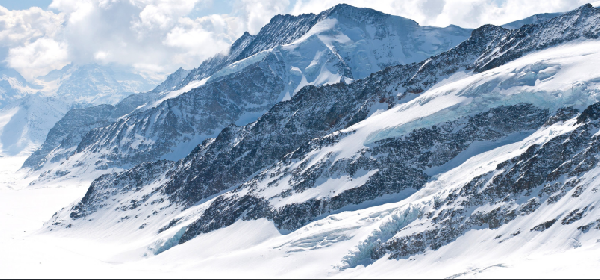
Sphinx Observatory Terrace: This is the main viewing platform. Stepping out onto it is a breathtaking moment. You are surrounded by a 360-degree panorama of the Aletsch Glacier (the longest in the Alps), and peaks like the Mönch and Jungfrau feel close enough to touch. The air is thin and cold, but the view is absolutely sublime.
Aletsch Glacier: You can walk onto a secured plateau of snow and gaze upon this river of ice stretching over 23 kilometers. It’s a powerful reminder of nature’s scale and force.
Ice Palace: Carved directly into the glacier, this is a labyrinth of tunnels and chambers featuring beautiful ice sculptures. The floor can be slippery, so tread carefully.
Alpine Sensation: A moving walkway exhibition that tells the story of the construction of the Jungfrau Railway, a testament to human ambition and engineering.
Practical Tips for Jungfraujoch
Altitude: Take it easy. The high altitude can cause shortness of breath, dizziness, or headaches. Stay hydrated and move slowly.
Weather: It is cold, even on a sunny summer day. Wear warm layers, a windproof jacket, gloves, and a hat. Sunglasses and sunscreen are essential due to the intense UV radiation.
Tickets: This is an expensive excursion. Booking in advance online can sometimes save money. Check the live webcam on the Jungfrau website before you go; if the summit is shrouded in cloud, the experience is severely diminished.
Food: There are several restaurants at the top, including a self-service option. Alternatively, pack your own snacks and water.
Part 5: Descent into the Valley of Waterfalls – Lauterbrunnen
To complete your alpine circuit, descend from Kleine Scheidegg or Grindelwald to Lauterbrunnen. The train ride down to Lauterbrunnen is one of the most picturesque in Switzerland, winding down a steep mountainside into a deep, U-shaped valley.
The Valley
Lauterbrunnen Valley is often described as one of the most beautiful in the world. It is a sheer-sided glacial trough with 72 waterfalls cascading down its cliffs. The most famous are the
Staubbach Falls, which plunge nearly 300 meters right in front of the village, and the Trümmelbach Falls, a series of ten glacial waterfalls hidden inside a mountain, accessible by an internal lift.
Attractions & Experiences
Staubbach Falls: A short walk from the village center brings you to the base. A path leads partway up the cliff behind the falling water for a unique perspective.
Trümmelbach Falls: A truly unique natural spectacle. The roar of 20,000 liters of water per second thundering through glacial crevasses inside the mountain is deafening and humbling. You will get sprayed with mist.
Hiking: The valley floor is flat and perfect for a gentle stroll with constant views of the towering cliffs. For more adventure, take the cable car up to Grütschalp and walk along the mountain shelf to Mürren, a car-free village with stunning views of the Jungfrau massif.
Cable Car to Mürren: Even if you don’t hike, taking this cable car up offers a completely different view down into the valley and across to the opposing mountains.
Cultural Aspect & Vibe
Lauterbrunnen feels more spread out and rustic than Grindelwald. It retains a strong farming character, with cowbells constantly ringing in the background during summer. The atmosphere is peaceful and deeply connected to nature.
Part 6: The Return Journey – Lauterbrunnen to Geneva
The return journey begins with a train from Lauterbrunnen back to Interlaken Ost. From there, you board a train for Geneva. As you travel back along Lake Geneva, watching the Alps recede in the distance, you have time to reflect on the incredible contrasts of your trip: from the urban elegance of Geneva to the raw, elemental power of the high Alps.
Comprehensive Travel Tips & Local Insights
Transportation Strategy
The Swiss Travel Pass: For this itinerary, this pass is highly recommended. It covers your journey from Geneva to Interlaken and back, as well as buses and boats in the region. It also provides a 25% discount on most mountain railways (like Grindelwald Terminal to Eigergletscher) and a 25-50% discount on the Jungfraujoch ticket (the specific discount depends on the pass type). Calculate if it makes financial sense for your trip length.
SBB Mobile App: The official Swiss Federal Railways app is indispensable for checking real-time train schedules, platform numbers, and buying tickets on the go.
Punctuality: Swiss trains are famously punctual. Be at your platform a few minutes before departure.
Accommodation
Base Location: Instead of staying in Geneva for this alpine portion, consider basing yourself in Interlaken, Grindelwald, or Lauterbrunnen for 2-3 nights. This saves daily travel time and allows you to immerse yourself in the alpine environment.
Booking Ahead: These destinations are extremely popular. Book accommodation well in advance, especially during peak season (July-August) and around Christmas/New Year.
Cuisine Deep Dive
Cheese Fondue: The classic is “Moitié-Moitié” (half Gruyère, half Vacherin Fribourgeois). Don’t stir the pot vigorously; use a figure-eight motion. If you lose your bread in the cheese, tradition says you owe a round of drinks!
Raclette: Another cheese dish where half a wheel of raclette cheese is melted by a special grill and then scraped onto your plate, served with small potatoes, pickled onions, and gherkins.
Alpler Macaroni:A hearty Alpine farmer’s dish of pasta, potatoes, cheese, cream, and fried onions.
Rivella:A unique Swiss soft drink made from milk whey. It sounds strange but is surprisingly refreshing.
Cultural Etiquette & Insights
Quiet Hours: Respect “Ruhezeit” (quiet time), typically from 10:00 PM to 7:00 AM, especially in residential buildings and smaller villages like Lauterbrunnen.
Recycling: Switzerland has a sophisticated recycling system. You’ll see separate bins for paper, plastic, glass, and general waste. It’s appreciated if you follow suit.
Shoes Off: It is customary to remove your shoes when entering someone’s home in Switzerland.
The Sound of Bells:The constant ringing of cowbells in alpine meadows is not for tourists; it’s how farmers keep track of their herds. It’s part of authentic Swiss mountain life.
A journey through this part of Switzerland is more than just sightseeing; it’s an immersion into landscapes that define grandeur and cultures that have adapted to thrive within them. From watching diplomats cross streets in Geneva to hearing nothing but cowbells and falling water in Lauterbrunnen, this trip captures the beautiful duality of modern Switzerland.