A Grand Tour of Southern England: London, Windsor, Bath, Stonehenge, White Cliffs, Canterbury, Oxford & Cambridge
This comprehensive travel guide outlines a classic circular tour from London, taking you through the heart of England’s history, academia, and stunning natural landscapes. This itinerary is designed to be flexible, typically achievable over 7 to 10 days, allowing you to immerse yourself in the rich tapestry of British culture, from royal palaces and ancient mysteries to hallowed university halls and dramatic coastlines.
Part 1: London – The Imperial Capital
Your journey begins and ends in London, a sprawling metropolis where history echoes from every corner and modern life pulses with relentless energy. A city of distinct villages and world-class attractions, London requires strategic planning to appreciate its vast offerings.
Key Attractions
The British Museum: Home to a vast collection of world art and artefacts, including the Rosetta Stone and the Parthenon Marbles. Entry is free, but it’s vast, so focus on a few galleries.
The Tower of London: A historic castle on the north bank of the River Thames. Explore the Crown Jewels, walk the battlements, and hear tales of imprisonment and execution from the Yeoman Warders.
Westminster & The South Bank: See the Houses of Parliament and Big Ben from the outside, then cross Westminster Bridge to enjoy the London Eye, Tate Modern, and Shakespeare’s Globe on a scenic walk along the South Bank.
Buckingham Palace: The official London residence of the monarch. Time your visit for the iconic Changing of the Guard ceremony (check the official schedule).
Hyde Park & Kensington Gardens: Escape the city bustle with a stroll through these expansive royal parks.
Food & Drink
London’s food scene is incredibly diverse. Skip the clichés and explore its culinary depth.
Pubs: For a true local experience, visit a traditional pub for a pint of ale and a Sunday Roast or a classic pie and mash.
Borough Market: A foodie’s paradise near London Bridge. Sample gourmet cheeses, fresh oysters, and international street food.
Afternoon Tea: Indulge in this British tradition. Options range from the luxurious at The Ritz to more casual, modern interpretations.
International Cuisine: Explore the flavours of Brick Lane (Bangladeshi), Chinatown, or Brixton (Caribbean).
Transportation & Tips
The London Underground (“the Tube”) is the most efficient way to get around. Purchase an Oyster card or use a contactless bank card for the best fares. Buses offer a more scenic, above-ground view of the city. Walking is often the best way to discover hidden gems between major sights.
Local Insight: Many of London’s world-class museums, including the British Museum, National Gallery, and Victoria & Albert Museum, offer free general admission, making culture accessible to all.
Part 2: Windsor – A Day with Royalty
A short train ride west of London lies the historic town of Windsor, dominated by its magnificent castle.
Key Attraction
Windsor Castle: The oldest and largest inhabited castle in the world. It’s an official residence of His Majesty The King. Don’t miss the magnificent State Apartments, St. George’s Chapel (the burial place of monarchs including Queen Elizabeth II and the setting for royal weddings), and Queen Mary’s Dolls’ House.
Food & Drink
The town centre offers numerous pubs and cafes. For a special treat, consider afternoon tea at one of the hotels overlooking the castle.
Transportation & Tips
Direct trains run regularly from London Paddington or Waterloo stations to Windsor & Eton Central or Riverside. The journey takes under an hour. Book your castle tickets online in advance to avoid long queues. Check the castle’s official website before your visit as it closes occasionally for state functions.
Part 3: Bath & Stonehenge – Georgian Elegance and Ancient Mystery
Travel west into the countryside to explore two of England’s most iconic UNESCO World Heritage sites.
Bath: Key Attractions
The Roman Baths: A remarkably preserved complex built around Britain’s only hot spring. Walk on ancient Roman pavements and see the great Sacred Spring.
Bath Abbey: A stunning Perpendicular Gothic church adjacent to the Roman Baths. Climb the tower for breathtaking views.
The Royal Crescent & The Circus: Masterpieces of Georgian architecture. Stroll through the Royal Victoria Park for the best photo opportunities.
Pulteney Bridge: One of only a few bridges in the world with shops built across its full span on both sides.
Stonehenge: Key Attraction
Stonehenge: This prehistoric monument on Salisbury Plain is a powerful and enigmatic sight. The visitor centre provides excellent context with exhibitions and reconstructed Neolithic houses.
Food & Drink in Bath
Bath is known for its elegant dining scene. Don’t miss the original Sally Lunn’s Historic Eating House to try the famous “Sally Lunn Bun.” The city also has a thriving cafe culture and excellent gastropubs.
Transportation & Tips
The most efficient way to visit both Bath and Stonehenge in one day from London is by joining an organized coach tour. Alternatively, take a train from London Paddington to Bath Spa station (approx. 1.5 hours). To reach Stonehenge from Bath, you can use a local bus tour or hire a car for maximum flexibility. For Stonehenge, booking tickets online with a timed entry slot is essential. The stones are exposed, so dress for the weather—it can be very windy.
Local Insight: For a less crowded alternative to Stonehenge, consider visiting Avebury, a larger Neolithic henge monument where you can walk freely among the stones.
Part 4: The White Cliffs of Dover & Canterbury – Coastline and Cathedral
Heading southeast from London, you’ll discover England’s dramatic coastline and its most important cathedral.
White Cliffs of Dover: Key Attraction
The White Cliffs: A symbol of hope and home for centuries. A walk along the clifftop paths offers stunning views of the English Channel and, on a clear day, the coast of France. Visit the South Foreland Lighthouse for a truly atmospheric experience.
Canterbury: Key Attractions
Canterbury Cathedral: The mother church of the worldwide Anglican Communion and a site of pilgrimage since the murder of Archbishop Thomas Becket in 1170. The Gothic architecture is breathtaking.
Canterbury Tales: A fun, interactive attraction that brings Chaucer’s famous stories to life.
The Old City Walls & Westgate Gardens: Enjoy a peaceful stroll along the medieval walls and through beautiful riverside gardens.
Food & Drink
Canterbury has a vibrant food scene centred around its historic streets. Look for traditional pubs in Tudor buildings and modern British restaurants using Kentish produce, known as the “Garden of England.”
Transportation & Tips
Frequent trains run from London St Pancras or Victoria to Canterbury (approx. 1 hour). To visit the White Cliffs, take a train from Canterbury East to Dover Priory (approx. 30 mins), then a local taxi or bus to the visitor centre. Wear sturdy shoes for walking the cliff paths, as they can be uneven and steep in parts.
Part 5: Oxford & Cambridge – The University Rivals
No tour of England is complete without experiencing its two most famous university cities, each with a unique character and breathtaking architecture.
Oxford: The City of Dreaming Spires
Attractions: Visit the Bodleian Library, one of the oldest libraries in Europe. Explore the grand Christ Church College (a filming location for Harry Potter) and its meadow. Climb the University Church of St Mary the Virgin for a classic view of the “dreaming spires.”
Atmosphere: Oxford feels more like a bustling town integrated with its university. The architecture is grand and imposing.
Cambridge: The City on the Cam
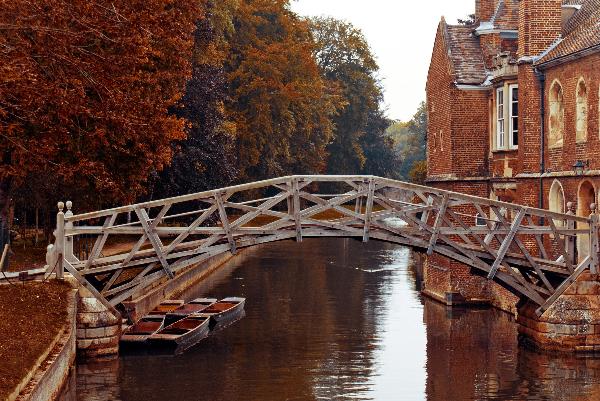
Attractions: Punting on the River Cam is a must-do activity, offering stunning views of the “Backs” of the colleges like King’s and Queens’. Stand in awe inside King’s College Chapel. Visit the Wren Library at Trinity College.
Atmosphere: Cambridge has a flatter, more compact centre and a slightly more relaxed and scientific feel compared to Oxford.
Food & Drink
Both cities are filled with historic pubs where famous scholars once drank, as well as modern cafes and restaurants. Try The Eagle in Cambridge, where Crick and Watson announced their discovery of DNA.
Transportation & Tips
Both cities are easily accessible by train from London in about 1 hour (Oxford from Paddington, Cambridge from King’s Cross). It’s possible to visit both, but to appreciate them fully, dedicate a day to each. Each college is an independent institution with its own opening hours and entrance fees; check their websites before you go. Punting can be DIY or with a chauffeur; the latter is highly recommended for first-timers to hear the fascinating commentary.
Local Insight: If you must choose between Oxford and Cambridge, consider your interests: Oxford for grand architecture, history, and Harry Potter; Cambridge for a more picturesque riverside setting and punting.
The Journey’s End: Return to London
The final leg of your tour brings you back to London. Use this time to revisit a favourite spot, explore a neighbourhood you missed like Covent Garden or Notting Hill, or simply enjoy a final pint at a traditional pub, reflecting on a journey through centuries of British history and culture.
Practical Travel Tips for the Entire Journey
Accommodation: Using London as a base for day trips is feasible for Windsor, Oxford, and Cambridge. For Bath, Stonehenge, Dover, and Canterbury, consider an overnight stay in Bath or Canterbury to break up the travel.
Transport Passes: For extensive train travel outside London, consider a BritRail Pass. For individual journeys, booking train tickets in advance online often yields significant savings compared to buying on the day.
Currency: The currency is the British Pound Sterling (£). Credit and debit cards are widely accepted, but it’s always wise to have some cash for smaller establishments and market stalls.
Weather: Be prepared for all four seasons in one day. Pack layers and a waterproof jacket regardless of the forecast.
Tipping: A service charge (12.5%) is often added to restaurant bills. If not, tipping 10-15% is customary for good service. Tipping in pubs is not expected.