A Grand Tour of Italy: Rome, the Amalfi Coast, Puglia, and Beyond
This comprehensive travel guide outlines an ambitious and rewarding itinerary through the heart of Italy, encompassing its most iconic cities, breathtaking coastal scenery, and the unique cultural treasures of its southern regions. The route is a loop starting and ending in Rome, designed to offer a deep dive into Italian art, history, cuisine, and landscape.
Itinerary Overview
The proposed journey is extensive, covering a wide swath of Central and Southern Italy. It is recommended for travelers with at least two to three weeks. The route is:
Rome -> Civita di Bagnoregio -> Siena -> Florence -> Pisa -> Cinque Terre -> Milan -> Sirmione -> Venice -> Rimini -> Assisi -> Rome -> Naples -> Pompeii -> Caserta -> Naples -> Sorrento -> Positano -> Amalfi -> Matera -> Bari -> Alberobello -> Ostuni -> Lecce -> Potenza -> Capri -> Naples -> Rome.
Chapter 1: Lazio & Umbria – The Historic Heartland
Rome: The Eternal City
Rome, the capital, is a sprawling open-air museum. A minimum of three days is essential to scratch its surface.
Attractions: The Colosseum, Roman Forum, and Palatine Hill form the core of ancient Rome. The Vatican City, an independent state, houses St. Peter’s Basilica and the Vatican Museums, home to Michelangelo’s Sistine Chapel ceiling. The Pantheon, Trevi Fountain, and Spanish Steps are iconic must-sees. For a quieter experience, explore Trastevere’s cobbled streets or the Appian Way.
Food & Drink: Indulge in classic Roman pasta dishes like Cacio e Pepe (cheese and pepper) and Carbonara. Try Supplì (fried rice balls) as a snack. Enjoy a gelato while wandering the historic center.
Transportation: Rome has an extensive metro, bus, and tram system. The Roma Pass can offer discounts and free public transport. Much of the historic center is best explored on foot.
Accommodation: Stay in central neighborhoods like Monti, Trastevere, or near the Termini Station for good transport links.
Civita di Bagnoregio: The Dying Town
Often called “The City That Dies,” this stunning hilltop village is accessible only by a long pedestrian footbridge.
Attractions: The main attraction is the village itself. Wander its silent, medieval streets, visit the small church, and enjoy panoramic views of the surrounding “badlands” valleys.
Transportation: Reachable by bus from Viterbo or Orvieto. It’s a popular day trip from Rome.
Cultural Insight: Civita is a powerful symbol of erosion and preservation, with only a handful of full-time residents, offering a glimpse into a vanishing way of life.
Siena: The Gothic Jewel of Tuscany
Siena is renowned for its medieval brick buildings and the famed Palio horse race.
Attractions: The shell-shaped Piazza del Campo is one of Europe’s greatest medieval squares. The Siena Cathedral (Duomo) is a masterpiece of Italian Gothic architecture with a stunning striped marble interior. Climb the Torre del Mangia for breathtaking views.
Food & Drink: Siena is known for rich dishes like Pici (thick, hand-rolled pasta) and Panforte (a dense fruit and nut cake).
Assisi: The Spiritual Sanctuary
The birthplace of St. Francis, Assisi is a major pilgrimage site with a profound sense of peace.
Attractions: The Basilica of San Francesco d’Assisi, a UNESCO World Heritage site, contains Giotto’s famous frescoes depicting the life of St. Francis. The Basilica of Santa Chiara and the Roman Temple of Minerva are also key sites.
Cultural Insight: Assisi retains a deeply spiritual atmosphere. Visitors are expected to dress modestly when entering its holy sites.
Chapter 2: Tuscany & the North – Art and Scenery
Florence: Cradle of the Renaissance
Florence is an art lover’s paradise, packed with world-class museums and Renaissance architecture.
Attractions: The Uffizi Gallery houses Botticelli’s “Birth of Venus.” The Accademia Gallery is home to Michelangelo’s “David.” The Florence Cathedral (Duomo) with its Brunelleschi’s Dome dominates the skyline. Cross the Ponte Vecchio, a bridge lined with jewelry shops.
Food & Drink: Enjoy a massive Bistecca alla Fiorentina (T-bone steak) and sample hearty Tuscan soups like Ribollita.
Transportation: Florence’s historic center is very walkable. It’s a major rail hub for exploring Tuscany.
Pisa: More Than a Leaning Tower
While famous for one landmark, Pisa’s Piazza dei Miracoli offers more architectural wonders.
Attractions: The Leaning Tower, the Cathedral (Duomo), the Baptistery, and the Camposanto Monumentale (monumental cemetery) form a stunning unified complex.
Transportation: Pisa is easily reached by train from Florence and makes for an easy half-day trip.
Cinque Terre: The Five Lands
A string of five colorful fishing villages clinging to the rugged Ligurian coastline.
Attractions: Hike the scenic Sentiero Azzurro coastal trail connecting Monterosso al Mare, Vernazza, Corniglia, Manarola, and Riomaggiore. Alternatively, use the efficient train or ferry services.
Food & Drink: This is the home of pesto Genovese. Enjoy it with trofie pasta. Fresh anchovies and focaccia are also local specialties.
Accommodation: Book well in advance, especially in peak season. Staying in La Spezia can be a more affordable alternative.
Milan: The Modern Metropolis
Italy’s financial and fashion capital offers a different, more fast-paced Italian experience.
Attractions: Leonardo da Vinci’s “The Last Supper” (book months ahead), the magnificent Gothic Duomo di Milano, and the Galleria Vittorio Emanuele II shopping arcade are the top sights.
Transportation: Milan has excellent public transport and is Italy’s main international air hub.
Sirmione: Jewel of Lake Garda
A picturesque town on a narrow peninsula jutting into Lake Garda.
Attractions: Explore the imposing Scaligero Castle, wander the charming old town, and visit the Grotte di Catullo, ruins of a vast Roman villa.
Food & Drink: Enjoy fresh lake fish and local Lugana wine.
Chapter 3: The Northeast – Canals and Coastline
Venice: The Floating City
Venice is a unique city built on water, a place of unparalleled romance and beauty.
Attractions: St. Mark’s Square with the Basilica and Campanile, the Doge’s Palace, and the Rialto Bridge are the main draws. The best experience is getting lost in its maze of canals and alleys. A gondola ride, while touristy, is a classic experience.
Food & Drink: Sample Cicchetti (Venetian tapas) in a bacaro (wine bar). Try risotto with cuttlefish ink and fresh seafood. Enjoy a Spritz cocktail.
Transportation: Vaporetto (water bus) is the primary mode of transport. Water taxis are expensive. The city is entirely pedestrian beyond the canals.
Cultural Insight: Venice is battling overtourism. Consider visiting in the shoulder season and exploring lesser-known neighborhoods like Cannaregio or Dorsoduro.
Rimini: Beach Resort on the Adriatic
A famous seaside resort known for its long sandy beaches and vibrant nightlife.
Attractions: Beyond the beach, explore Roman ruins like the Tiberius Bridge and the Arch of Augustus. The Tempio Malatestiano is a significant Renaissance church.
Cultural Insight:
Chapter 4: Campania – The Vibrant South
Naples: The Passionate Chaos
Naples is intense, loud, and utterly captivating—the birthplace of pizza and a treasure trove of history.
Attractions: Explore the underground ruins of Napoli Sotterranea. See incredible classical art at the National Archaeological Museum. Wander the Spaccanapoli street that cuts through the historic heart, and visit the Sansevero Chapel to see the breathtaking Veiled Christ sculpture.
Food & Drink: This is the home of pizza. Eat a authentic Margherita at a historic pizzeria. Try street food like Sfogliatella (a shell-shaped pastry) and fried pizza (Pizza Fritta).
Transportation: Naples has a metro system and is the main transport hub for the region, with trains to Pompeii, ferries to the islands, and Circumvesuviana trains to Sorrento.
Accommodation: Stay in the historic center for atmosphere or in Chiaia for a more upscale experience.
Pompeii & Herculaneum: Frozen in Time
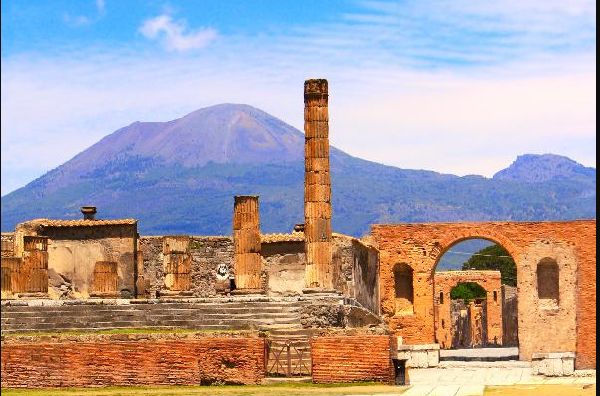
The archaeological sites buried by the eruption of Mount Vesuvius in 79 AD offer an unparalleled glimpse into Roman life.
Attractions: Pompeii is vast; highlights include the Forum, amphitheater, and plaster casts of victims. Herculaneum is smaller but better preserved, with intact wooden structures and two-story homes.
Transportation: Both are easily reached by the Circumvesuviana train line from Naples or Sorrento.
The Amalfi Coast: Positano & Amalfi
A dramatic coastline of sheer cliffs dotted with pastel-colored villages.
Sorrento:A great base camp perched on cliffs, known for limoncello and beautiful sea views.
Positano:The iconic vertical village with steep streets leading down to a pebble beach. It’s famous for its fashion and stunning vistas.
Amalfi:The historical maritime republic with a striking cathedral (Duomo) at its center.
Transportation:The SITA bus winds along the coast road. Ferries are a more scenic and relaxing option. Driving is not recommended for visitors due to narrow, congested roads.
Accommodation:This is a luxury destination. Book far ahead; consider staying in smaller towns like Praiano or Minori for better value.
The Islands: Capri
A legendary island known for its rugged landscape, upscale hotels, and shopping.
Attractions:Take a boat tour to the Blue Grotto, ride the chairlift to Monte Solaro for panoramic views, and explore the Gardens of Augustus.
Transportation: