A Grand Tour of Greece and Turkey: From Ancient Oracles to Fairy Chimneys
This comprehensive travel guide outlines an epic journey through the heart of classical antiquity and the crossroads of civilizations. The itinerary weaves through the legendary ruins of Greece and the vast, diverse landscapes of Turkey, offering a deep dive into history, culture, and natural wonders. Travelers will traverse from the birthplace of democracy in Athens to the mystical monasteries of Meteora, from the stunning sunsets of Santorini to the otherworldly valleys of Cappadocia, and through the mighty empires of Byzantium and the Ottomans.
Part 1: The Greek Leg – Gods, Oracles, and Island Dreams
Athens: The Cradle of Western Civilization
Athens, the historical capital of Europe, is the starting point for this grand adventure. It is a city where ancient monuments seamlessly blend with modern urban life.
Attractions: The crown jewel is the Acropolis, a UNESCO World Heritage site featuring the Parthenon, the Erechtheion, and the Temple of Athena Nike. The Acropolis Museum, with its stunning glass floors revealing ruins below, is a must-visit. Explore the Ancient Agora, the heart of ancient Athenian public life, and hike up Lycabettus Hill for a panoramic view of the city sprawling to the sea.
Food & Drink: Savor traditional Greek cuisine in the Plaka or Psiri districts. Must-try dishes include Moussaka (eggplant and meat casserole), Souvlaki (grilled meat skewers), and fresh Horiatiki (Greek salad). Finish with a glass of Ouzo or a strong Greek coffee.
Transportation: Athens has an efficient metro system that connects the airport to the city center. The key archaeological sites are within walking distance of each other, making the historic center easily explorable on foot.
Accommodation: Options range from luxury hotels in Syntagma Square to charming boutique hotels in Plaka and budget-friendly hostels in Monastiraki.
Cultural Insight: The concept of democracy was born here. Visitors can feel the weight of history at the Pnyx hill, where citizens gathered for assemblies. The afternoon siesta (roughly 3 pm to 5 pm) is still observed by many smaller shops.
The Mainland Loop: Arachova, Delphi, and Kalabaka
Leaving Athens, the journey heads north towards central Greece, a region of mountainous landscapes and profound mythological significance.
Arachova: A charming mountain town nestled on the slopes of Mount Parnassus. It’s a popular winter destination but is equally beautiful year-round. It serves as a perfect base for visiting Delphi.
Delphi: Known in ancient times as the center of the world. The Archaeological Site of Delphi is breathtaking, featuring the Temple of Apollo, where the Oracle delivered her prophecies, an ancient theater, and a stadium. The adjacent Delphi Archaeological Museum houses incredible artifacts like the Charioteer of Delphi.
Kalabaka (Kalampaka): This town lies at the foot of the astonishing Meteora rock formations. It’s less touristy than its neighbor Kastraki and offers a more local experience.
Transportation: This leg is best done by rental car for flexibility, allowing stops at scenic viewpoints. Alternatively, KTEL buses connect Athens to Delphi and Delphi to Kalabaka.
Food & Drink: In Arachova, try Formaella, a locally produced cheese. In Delphi and Kalabaka, expect hearty mountain cuisine with grilled meats and savory pies.
Metéora: Monasteries in the Sky
The Metéora is a landscape of immense spiritual and geological significance, where Byzantine monasteries perch precariously on top of towering rock pillars.
Attractions: Of the original 24 monasteries, six are still active and open to the public. The most famous include Great Meteoron (the largest), Varlaam, and Agios Stefanos (the most accessible). Visitors should dress modestly (shoulders and knees covered for both men and women). The view at sunrise or sunset is an unforgettable spectacle.
Transportation: From Kalabaka, visitors can join tours, take taxis, or even hike to some of the monasteries. A car provides the most freedom to explore at one’s own pace.
Cultural Insight:
The monasteries were built from the 14th century onwards by monks seeking spiritual isolation and freedom from religious persecution. The name “Metéora” translates to “suspended in the air,” which perfectly captures their ethereal presence.
Santorini: The Volcanic Paradise
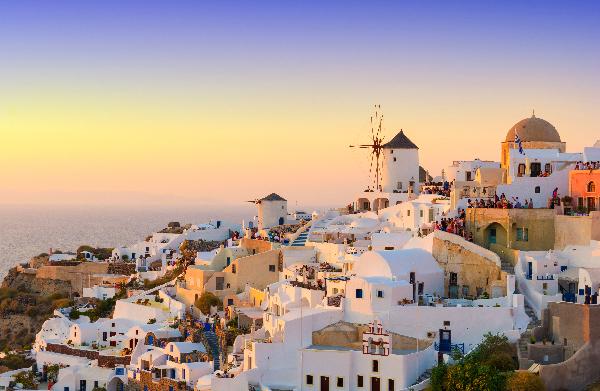
A short flight or ferry from Athens brings travelers to the iconic island of Santorini, famed for its dramatic caldera views, white-washed buildings, and stunning sunsets.
Attractions: Oia is world-famous for its sunset views. Fira, the bustling capital, offers shopping, museums, and cliffside cafes. Explore the ancient Minoan city of Akrotiri, a prehistoric settlement preserved in volcanic ash. Don’t miss a boat tour to the volcanic islands in the caldera and the hot springs.
Food & Drink: Santorini is known for its unique produce, including cherry tomatoes, white eggplants, and capers. Try Fava (a yellow split pea puree) and fresh seafood. The island produces distinctive Assyrtiko white wine; a visit to a local winery is highly recommended.
Transportation: The main modes of transport are local buses, taxis, and ATVs or cars for rent. The footpaths between Fira and Oia offer spectacular walking routes.
Accommodation: Accommodation ranges from luxurious cave hotels built into the caldera cliffside in Oia and Imerovigli to more affordable options in Fira and Perissa.
Part 2: The Turkish Odyssey – Empires, Coastlines, and Surreal Landscapes
Istanbul: Where Continents Collide
The journey continues in Istanbul, a vibrant metropolis straddling Europe and Asia, brimming with remnants of the Roman, Byzantine, and Ottoman empires.
Attractions: The Sultanahmet District is home to the magnificent Hagia Sophia, the majestic Blue Mosque, and the sprawling Topkapi Palace. Descend into the mysterious Basilica Cistern. No visit is complete without getting lost in the Grand Bazaar and experiencing the spice-scented air of the Egyptian Spice Bazaar. A cruise on the Bosphorus Strait provides a unique perspective of the city.
Food & Drink: Indulge in Ottoman classics like Meze platters, succulent Kebabs, and fresh-caught fish. Try a simit (sesame-crusted bread ring) from a street vendor and finish with Turkish delight and strong Turkish tea or coffee.
Transportation: Istanbul has an extensive public transport network including metro, trams, buses, and ferries. The Istanbulkart is a rechargeable card that provides access to all.
Cultural Insight:
Istanbul is a city of contrasts—ancient and modern, religious and secular. The call to prayer echoing from minarets five times a day is a defining soundscape. Haggling is expected in the bazaars.
The Marmara Region: Bursa and Çeşme
A short journey from Istanbul reveals two distinct facets of Turkey.
Bursa: The first major capital of the Ottoman Empire, nestled at the foot of Mount Uludağ. Visit the Grand Mosque (Ulu Cami), the Green Mosque (Yeşil Cami), and the bustling silk market in the Koza Han. Bursa is the birthplace of the Iskender Kebab, a must-try dish.
Çeşme:A beautiful peninsula known for its crystal-clear waters, windsurfing conditions, and thermal springs. The imposing Çeşme Castle overlooks the charming marina. It’s a perfect stop for relaxation before heading south.
Transportation:
A high-speed ferry from Istanbul to Bursa (Yalova) is available. Buses connect Bursa to Izmir, from where one can take a local bus to Çeşme.
Aegean Coast: Izmir, Ephesus, and Pamukkale
The Turkish Aegean coast is an open-air museum of classical ruins set against a stunning landscape.
Izmir:
The third-largest city in Turkey is a modern, cosmopolitan port with a long palm-lined boulevard along the bay. The
Agora of Smyrna and the historic Kemeraltı Bazaar are key sites.
Ephesus (Efes):
One of the best-preserved classical cities in the Mediterranean. Walking through its marble streets past the Library of Celsus, the Great Theatre, and the Terrace Houses offers a tangible connection to Roman life.
Pamukkale & Hierapolis:
The “Cotton Castle” is a surreal natural wonder of white travertine terraces filled with thermal water. At its top lies the ancient spa city of
Hierapolis, where you can swim among ancient ruins in the Antique Pool.
Sultanhani Caravanserai:
A massive 13th-century Seljuk caravanserai located on the road to Cappadocia. It offers a glimpse into the life of Silk Road traders and is a popular stopover.
Cappadocia: A Fairytale Landscape
Cappadocia is a geological wonderland famous for its “fairy chimney” rock formations, underground cities, and cave dwellings.
Attractions:
A pre-dawn
hot air balloon ride over the valleys is a quintessential experience. Explore the vast Göreme Open-Air Museum, a complex of rock-cut churches with beautiful Byzantine frescoes. Hike through the stunning valleys like Rose Valley and Love Valley. Descend into the multi-level Kaymaklı or Derinkuyu Underground Cities. Stay in a cave hotel for an authentic experience.
Towns & Bases:
Göreme is the most popular tourist hub with numerous hotels and tour operators. Ürgüp and Uçhisar
(home to a massive rock castle) are also excellent bases for exploration.
The Final Leg: Ankara and Return to Istanbul
The journey concludes with a visit to Turkey’s modern capital before returning to Istanbul for departure.
Ankara:
The primary reason to visit Ankara is the magnificent
Museum of Anatolian Civilizations, which houses an unparalleled collection of artifacts from every major civilization that flourished in Anatolia, including breathtaking Hittite treasures. The Anıtkabir, the mausoleum of Mustafa Kemal Atatürk, founder of modern Turkey, is a monumental and deeply symbolic site.
A Note on Logistics and Travel Style
This itinerary covers significant ground and requires careful planning. A mix of transportation—including flights (e.g., Athens-Santorini-Athens-Istanbul), rental cars for mainland Greece and parts of Turkey, and long-distance buses within Turkey—is recommended for efficiency. Travelers should allocate a minimum of three weeks for this journey to fully appreciate each destination without being rushed. It is an adventure that traverses millennia, offering an unparalleled immersion into the history and beauty that shaped the Western world and beyond.