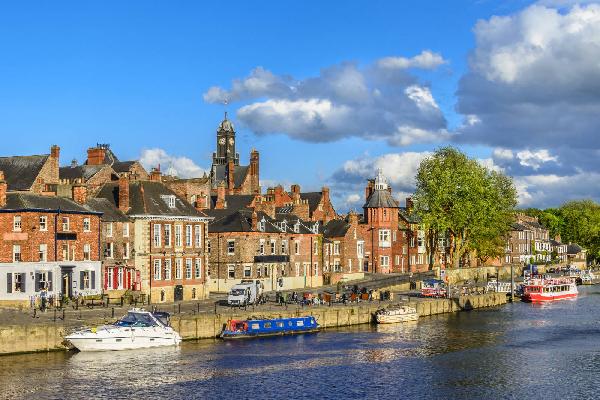
A Grand Tour of Britain: London, Scotland, and England’s Heartland
This comprehensive travel guide outlines an epic journey through the United Kingdom, weaving through the bustling capitals of London and Edinburgh, the hallowed halls of Oxford and Cambridge, the dramatic landscapes of the Scottish Highlands, and the charming villages of the Cotswolds. It is designed for travelers seeking a deep and varied experience of British history, culture, and natural beauty.
Part 1: London and the Royal Southeast
London: The World in a City
London, the sprawling capital of England and the UK, is a dynamic metropolis where history and modernity collide. A trip here is a dive into centuries of monarchy, empire, and cultural evolution.
Key Attractions: The British Museum (home to the Rosetta Stone and Parthenon Marbles), the Tower of London (see the Crown Jewels and hear tales of its grim past), Buckingham Palace (watch the Changing of the Guard), the Houses of Parliament and Big Ben, the London Eye (for panoramic views), and the West End for world-class theatre.
Cultural Insights: London is a city of distinct villages, from the financial powerhouse of the City to the bohemian streets of Shoreditch. The Tube (Underground) is the most efficient way to navigate. Pubs are central to social life; don’t be afraid to strike up a conversation at the bar.
Food & Drink: Enjoy a traditional Sunday roast at a classic pub, sample diverse street food at Borough Market, indulge in a full English breakfast, and experience high-end afternoon tea at hotels like The Ritz or The Savoy. For a quick, cheap eat, don’t overlook the humble pie and mash shop.
Transportation: Use an Oyster card or contactless payment for the extensive Tube, bus, and rail network. Heathrow Airport is the main international gateway, connected via the Heathrow Express or Elizabeth Line.
Accommodation Tips: Stay in central zones 1-2 for easy access to major sights. Neighborhoods like Covent Garden, South Bank, and Kensington are popular but consider more residential areas like Paddington or King’s Cross for better value.
Windsor: A Day with the Queen
A short train ride west of London lies the historic town of Windsor, dominated by Windsor Castle, the oldest and largest inhabited castle in the world and an official residence of the King.
Key Attractions: Windsor Castle is the main draw. Tour the magnificent State Apartments, St. George’s Chapel (the burial place of monarchs including Queen Elizabeth II and Prince Philip), and see the Changing of the Guard. Afterwards, take a stroll along the Long Walk in Windsor Great Park.
Transportation: Regular train services run from London Paddington (via Slough) or London Waterloo directly to Windsor & Eton Central or Riverside stations. The journey takes 30-60 minutes.
Oxford: The City of Dreaming Spires
Famed for its prestigious university, Oxford is a breathtakingly beautiful city where ancient colleges, libraries, and pubs create an atmosphere of scholarly charm.
Key Attractions: Take a tour of one or more colleges; Christ Church is particularly popular for its grand dining hall (a Harry Potter filming location) and cathedral. Visit the Bodleian Library, one of the oldest in Europe, and climb the University Church of St Mary the Virgin for a stunning view of the “dreaming spires”. Don’t miss the Ashmolean Museum, Britain’s oldest public museum.
Food & Drink: Have a pint in a historic pub like The Eagle and Child (a former haunt of J.R.R. Tolkien and C.S. Lewis) or The Turf Tavern, hidden down a narrow alley. Many colleges also offer affordable cream teas.
Transportation: Oxford is easily reached from London Paddington or Marylebone stations in about an hour. It also serves as a good base before heading into the Cotswolds.
The Cotswolds: Quintessential English Countryside
Designated an Area of Outstanding Natural Beauty, the Cotswolds is a region of rolling hills, honey-colored limestone villages, and peaceful farmland. It’s best explored by car to discover its hidden gems.
Key Attractions (Villages): Bibury, described by William Morris as “the most beautiful village in England”; Bourton-on-the-Water, the “Venice of the Cotswolds” with its low bridges; Stow-on-the-Wold, a market town with antique shops; and Castle Combe, often used as a film set.
Cultural Insights: Life here moves at a slower pace. Visit local farmers’ markets, walk a section of the Cotswold Way national trail, and respect that many beautiful cottages are private homes.
Accommodation Tips: Stay in a cozy bed and breakfast or a traditional inn for an authentic experience. Booking ahead is essential, especially during summer.
Transportation: While public buses connect main towns, a car offers ultimate freedom. Rent a car in Oxford or London.
Stratford-upon-Avon: Shakespeare’s Birthplace
This charming market town on the River Avon is forever linked to its most famous son, William Shakespeare.
Key Attractions: The Shakespeare Birthplace Trust manages several properties: Shakespeare’s Birthplace, Anne Hathaway’s Cottage, and Mary Arden’s Farm. See a play by the Royal Shakespeare Company at the riverside RSC theatre.
Transportation: Stratford-upon-Avon is well-connected by train and road, making it a convenient stop between the Cotswolds and Northern England.
Part 2: The North and The Lake District
Manchester: Industrial Powerhouse Reborn
Manchester is a city of innovation, from its pivotal role in the Industrial Revolution to its world-changing music scene and football clubs.
Key Attractions: Explore the history of science and industry at the Museum of Science and Industry (MOSI). Take a tour of Old Trafford (Manchester United) or the Etihad Stadium (Manchester City). Discover the trendy Northern Quarter with its independent shops and street art.
Food & Drink: Manchester has a vibrant food scene. Visit the Mackie Mayor or Altrincham Market for diverse food stalls. The city is also famous for its “curry mile” in Rusholme.
Cultural Insights: Manchester has a proud, independent spirit. Its musical heritage, from The Smiths to Oasis, is a point of local pride.
The Lake District: Poetic Landscapes
A UNESCO World Heritage Site, the Lake District is England’s premier national park, renowned for its glacial lakes, rugged fell mountains, and literary connections to Wordsworth and Beatrix Potter.
Key Attractions: Take a cruise on Lake Windermere, England’s largest lake. Hike up Catbells for a relatively accessible but spectacular view. Visit Dove Cottage in Grasmere, where Wordsworth lived, and the World of Beatrix Potter in Bowness-on-Windermere.
Food & Drink: Try traditional Cumberland sausage and sample local ales. Don’t leave without trying Grasmere gingerbread, a unique local treat.
Accommodation Tips: Charming B&Bs, guesthouses, and self-catering cottages abound in towns like Ambleside, Keswick, and Windermere.
Transportation: Having a car is ideal for exploring remote areas. Public buses serve main towns and scenic routes, but services can be infrequent.
Part 3: The Scottish Adventure
Glasgow: Victorian Grandeur and Vibrant Culture
Scotland’s largest city is a dynamic hub of art, architecture, and music. Compared to Edinburgh’s historic elegance, Glasgow is grittier but bursting with energy.
Key Attractions: Admire the incredible architecture by Charles Rennie Mackintosh, especially at the Glasgow School of Art and The Willow Tea Rooms. Explore the Kelvingrove Art Gallery and Museum and stroll through the West End’s trendy boutiques and cafes.
Food & Drink: Glasgow has an excellent food scene. Sample Scottish seafood or enjoy international cuisine in Finnieston or the Merchant City.
Cultural Insights: Glaswegians are known for their friendliness and wit. The city’s motto is “People Make Glasgow,” which reflects its community-focused spirit.
The Scottish Highlands & Isles: A Wild Beauty
This leg of the journey is best undertaken as part of a guided tour or with a confident driver, as roads can be narrow and winding.
The Journey North
The route from Glasgow into the Highlands passes through dramatic scenery like Glencoe, a hauntingly beautiful valley steeped in history from the 1692 massacre.
Fort William & Ben Nevis
Fort William is known as the “Outdoor Capital of the UK.” It sits at the base of Ben Nevis, Britain’s highest mountain, attracting hikers and climbers.
The Legend of Loch Ness
Loch Ness is one of Scotland’s largest and deepest lochs. While sightings of “Nessie” are rare, the scenery is undeniably majestic. Visit Urquhart Castle for the best views over the loch.
The Scenic Heart: Pitlochry & Scottish Towns
Pitlochry is a charming Victorian resort town in Perthshire, known as a “Gateway to the Highlands.” It’s an excellent stop for lunch, a walk to the salmon ladder, or a whisky tasting at the nearby Blair Athol Distillery. Other picturesque towns like Dunkeld or Callander offer similar Highland charm.
Edinburgh: The Athens of the North
Scotland’s capital is a breathtakingly beautiful city built on ancient volcanoes. Its historic Old Town and elegant Georgian New Town are a UNESCO World Heritage Site.
Key Attractions: Dominating the skyline is Edinburgh Castle, home to Scotland’s crown jewels and the Stone of Destiny. Walk the Royal Mile down to the Palace of Holyroodhouse. For stunning city views, hike up Arthur’s Seat, an ancient volcano in Holyrood Park. In August, the city comes alive with the Edinburgh Festival Fringe, the world’s largest arts festival.
Food & Drink: Try haggis, neeps and tatties (often better than it sounds!), sample Scottish salmon, and enjoy a wee dram of Scotch whisky. The Sheep Heid Inn in Duddingston is reputedly Scotland’s oldest pub.
Accommodation Tips: Book far in advance, especially during festival season. Options range from luxury hotels on Princes Street to cozy guesthouses in the New Town.
Transportation: Edinburgh is very walkable. The city has a good bus network and a tram line from the airport to the city center.
Part 4: The Return South via History and Academia
York: A Tapestry of History
The ancient city of York is a living museum of Roman, Viking, and Medieval history enclosed by magnificent walls.
Key Attractions: Get lost in The Shambles, a crooked medieval street said to be an inspiration for Diagon Alley. Explore the awe-inspiring York Minster, one of the world’s most magnificent cathedrals. Walk the City Walls for unique perspectives and learn about Viking life at the Jorvik Viking Centre.
Food & Drink: York is famous for its chocolate heritage (visit York’s Chocolate Story) and traditional afternoon teas. Enjoy a pint in one of its many historic pubs.
Cambridge: River Punts and Academic Excellence
Rivaling Oxford in fame and beauty, Cambridge is defined by its world-renowned university, stunning college architecture, and the tranquil River Cam.
Key Attractions: Visit King’s College to see its breathtaking chapel. Go punting on the River Cam for iconic views of The Backs (the gardens behind the colleges). See fascinating scientific artifacts at The Fitzwilliam Museum. Many colleges are open to visitors for a fee.
Cultural Insights: Punting is a classic Cambridge experience—you can hire your own punt or be chauffeured by a guide who will share stories about the colleges.
Transportation: Cambridge is about 50 minutes by train from London King’s Cross. It makes for an easy day trip or a final stop before returning to London.
A Final Note on Travel Logistics
The itinerary described covers significant ground. To execute it smoothly, consider these tips:
Rail Travel: For extensive train travel across England and Scotland, consider a BritRail Pass for flexibility. Book specific long-distance journeys (e.g., London to Edinburgh) in advance for the cheapest fares.
Driving: Renting a car is highly recommended for exploring rural areas like the Cotswolds and Lake District. Remember to drive on the left.
Tours: For Scotland’s Highlands, joining a multi-day small-group tour can alleviate driving stress and provide expert local knowledge.
Pacing: This is an ambitious route. Allow at least 14-21 days to complete it without feeling rushed. Prioritize based on personal interest—history buffs may want more time in York and Edinburgh, while nature lovers might extend their stay in the Lakes or Highlands.
Weather: British weather is famously changeable. Pack layers and a waterproof jacket regardless of the season.
A journey through Britain on this scale offers an unparalleled glimpse into the soul of a nation built on layered history, stunning natural diversity, and enduring cultural vitality.