A Grand Tour of Britain: From London to the Countryside and Back
This comprehensive travel guide outlines a classic British itinerary, looping from the capital through historic university cities, vibrant northern hubs, the serene Lake District, the picturesque Cotswolds, and legendary historical sites before returning to London.
London: The Capital Commencement
London, the sprawling capital of England and the United Kingdom, is a global hub for history, culture, and finance. Its history stretches back to Roman times, with remnants of its past visible alongside modern architectural marvels.
Key Attractions
The British Museum: Home to a vast collection of world art and artefacts, including the Rosetta Stone and the Parthenon sculptures.
The Houses of Parliament & Big Ben: The iconic Gothic revival palace and its famous clock tower are the seat of the UK government.
Buckingham Palace: The London residence of the monarch. The Changing of the Guard ceremony is a major tourist draw.
The Tower of London: A historic castle on the north bank of the River Thames, housing the Crown Jewels and offering tales of imprisonment and execution.
Tower Bridge: The distinctive bascule and suspension bridge near the Tower of London.
The West End: London’s theatre district, renowned for its world-class productions.
Hyde Park: One of the city’s largest Royal Parks, offering green space, the Serpentine lake, and Speaker’s Corner.
Practical Information
Getting There: Served by major international airports (Heathrow, Gatwick, Stansted, Luton, City). Excellent rail connections from across the UK and Europe.
Getting Around: The London Underground (the “Tube”) is extensive. Buses, black cabs, and ride-sharing services are also widely available. Consider an Oyster card or contactless payment for public transport.
Suggested Stay: 3-4 days minimum.
Cambridge: The University City on the Cam
Cambridge is world-famous for its university, founded in 1209. The city is defined by its historic colleges, beautiful gardens, and the River Cam, where punting is a traditional pastime.
Key Attractions
King’s College and Chapel: The chapel is a masterpiece of English Perpendicular Gothic architecture, known for its magnificent fan-vaulted ceiling and stained-glass windows.
Punting on the Cam: A quintessential Cambridge experience, gliding past the “Backs” – the beautiful gardens and grounds of the colleges that back onto the river.
The Fitzwilliam Museum: An art and antiquities museum with a world-class collection.
Trinity College: Notable for its great court, famous alumni (including Isaac Newton), and the Wren Library.
Practical Information
Getting There: Approximately 50 minutes by train from London King’s Cross or Liverpool Street stations.
Getting Around: The city centre is compact and easily walkable. Bikes are very popular.
Suggested Stay: 1 day.
York: A Tapestry of Roman and Medieval History
York is a historic walled city in North Yorkshire, England, at the confluence of the Rivers Ouse and Foss. It was founded by the Romans and has a rich Viking and medieval heritage.
Key Attractions
York Minster: One of the world’s most magnificent cathedrals, a masterpiece of Gothic architecture with stunning stained-glass windows, including the Great East Window.
The Shambles: A narrow, crooked medieval street lined with overhanging timber-framed buildings, often cited as one of Europe’s best-preserved streets.
York City Walls: Walkable medieval walls that form a complete circuit around the old city centre.
Jorvik Viking Centre: An museum built on the site of a major Viking-age archaeological dig, offering a reconstruction of 10th-century York.
National Railway Museum: A free museum housing a vast collection of locomotives and rolling stock, showcasing Britain’s railway history.
Practical Information
Getting There: Around 2 hours by train from London King’s Cross. Approximately 1.5 hours from Manchester.
Getting Around: The historic core is very walkable.
Suggested Stay: 1-2 days.
Edinburgh: Scotland’s Dramatic Capital
Edinburgh is Scotland’s compact, hilly capital. It is famed for its UNESCO World Heritage-listed Old Town and elegant Georgian New Town, its castle, and its vibrant cultural scene, particularly during the Edinburgh Festival Fringe.
Key Attractions
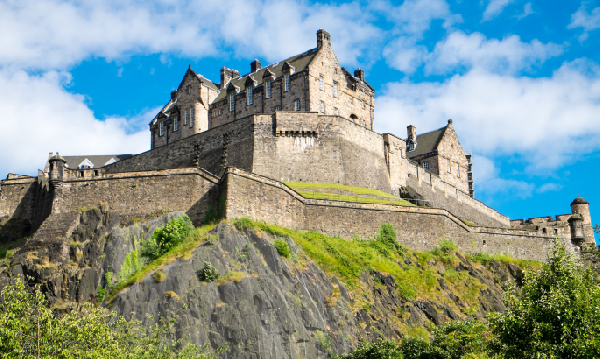
Edinburgh Castle: Dominating the city skyline from its perch on an extinct volcano, the castle is home to Scotland’s crown jewels and the Stone of Destiny.
The Royal Mile: The main thoroughfare of the Old Town, connecting the castle to the Palace of Holyroodhouse. Lined with shops, pubs, and closes (narrow alleyways).
Palace of Holyroodhouse: The official Scottish residence of the King.
Arthur’s Seat: An ancient volcano in Holyrood Park offering panoramic views of the city; a popular hike.
National Museum of Scotland: Showcasing Scottish history alongside international collections of nature, art, and science.
Practical Information
Getting There: 4.5 hours by train from London Kings Cross. Served by Edinburgh Airport (EDI).
Getting Around: The city centre is very walkable, but hilly. Buses are comprehensive.
Suggested Stay: 2-3 days.
Glasgow: Scotland’s Cultural Powerhouse
Glasgow is Scotland’s largest city, known for its Victorian and art nouveau architecture, vibrant nightlife, and outstanding museums and galleries. It has a grittier, more industrial heritage than Edinburgh but boasts an unparalleled cultural scene.
Key Attractions
Kelvingrove Art Gallery and Museum: A magnificent red sandstone building housing a diverse and free collection of art, artifacts, and natural history exhibits.
Glasgow Cathedral: A superb example of Scottish Gothic architecture and one of the few Scottish medieval churches to have survived the Reformation intact.
The Necropolis: A Victorian cemetery on a hill beside the cathedral, offering atmospheric walks and city views.
George Square: The city’s principal civic square, surrounded by impressive 19th-century buildings.
Riverside Museum: An award-winning transport museum designed by Zaha Hadid, located on the banks of the River Clyde.
Practical Information
Getting There: Approximately 1 hour by train from Edinburgh. Served by Glasgow Airport (GLA) and Glasgow Prestwick Airport (PIK).
Getting Around: A good bus network and a small subway system (the “Clockwork Orange”).
Suggested Stay: 1-2 days.
Windermere & Bowness: Gateway to the Lake District
The Lake District National Park is England’s largest national park and a UNESCO World Heritage Site, celebrated for its breathtaking glacial lakes and mountain scenery. Windermere town and its neighbour Bowness-on-Windermere are the most popular gateways to the region.
Key Attractions
Lake Windermere: England’s largest natural lake. Enjoy a cruise, hire a rowboat, or simply admire the views from the shore.
World of Beatrix Potter: An attraction in Bowness that brings the author’s beloved characters to life.
Hiking: The surrounding fells offer walks for all abilities, from gentle lakeside strolls to challenging climbs like Scafell Pike, England’s highest mountain.
Ambleside & Grasmere: Charming nearby towns. Grasmere is associated with the poet William Wordsworth.
Practical Information
Getting There: Reach Oxenholme Lake District station by train (3 hours from London), then change for a local train to Windermere. Driving allows for more flexibility in the park.
Getting Around:A car is ideal for exploring the wider Lake District. Local buses and boats on the lake are also available.
Suggested Stay: 2 days.