A Grand European Journey: From Spanish Passion to Swiss Peaks
This travel guide outlines an epic journey through the vibrant heart of Spain, the sun-drenched landscapes of Provence, and the breathtaking alpine scenery of Switzerland. It is a route designed for those who wish to experience a rich tapestry of cultures, cuisines, and landscapes, moving from bustling cities to serene countryside and majestic mountains.
Part 1: Spain – A Taste of Iberian Spirit
While your itinerary starts in Paris, the mention of Spain suggests a beginning full of passion and energy. A few days in a major Spanish city like Barcelona or Madrid is the perfect prelude to the French and Swiss segments.
Key Attractions & Experiences
Barcelona’s Architectural Wonders: Witness the surreal genius of Antoni Gaudí at the Sagrada Família, Park Güell, and Casa Batlló. The Gothic Quarter’s narrow medieval streets offer a stark and beautiful contrast.
Madrid’s Royal Art & Lively Plazas: Spend hours in the Prado Museum, home to masterpieces by Velázquez and Goya. Feel the city’s pulse at the Plaza Mayor and relax in the vast Retiro Park.
Local Culture: Experience the late-night dining culture, catch a flamenco show, and embrace the Spanish tradition of tapas hopping.
Culinary Highlights
Tapas: Sample a variety of small dishes like patatas bravas (spicy potatoes), jamón ibérico (cured ham), and gambas al ajillo (garlic shrimp).
Paella: Enjoy this iconic saffron-infused rice dish, preferably in Valencia, its birthplace.
Churros con Chocolate: Indulge in fried dough pastries dipped in thick, rich hot chocolate for breakfast or a snack.
Transportation & Tips
From Spain, the most efficient way to reach Paris is by a high-speed train (like the Renfe-SNCF en Cooperación) or a short, budget-friendly flight. Book train tickets in advance for the best fares.
Part 2: France – From Parisian Grandeur to Provencal Charm
Paris: The City of Light
Your official starting point, Paris, is a city that needs no introduction. It is a museum of art, architecture, and gastronomy.
Attractions: Ascend the Eiffel Tower for panoramic views, explore the vast collections of the Louvre, admire the stained glass of Sainte-Chapelle, and wander the artistic hill of Montmartre.
Food: Start your day with a buttery croissant and coffee at a corner café. Enjoy a classic steak frites, delicate macarons from Ladurée, or a picnic with baguette, cheese, and wine from a local market.
Transport: The Paris Metro is comprehensive and efficient. Consider a carnet (pack of 10 tickets) for savings. From Paris, take a high-speed TGV train to Dijon.
Dijon: Capital of Burgundy
A historic city renowned for its mustard and, more importantly, its wine.
Attractions: Follow the owl’s trail (Parcours de la Chouette) to discover the city’s key sights, including the magnificent Palais des Ducs de Bourgogne. Explore the old town with its half-timbered houses.
Food & Drink: This is Burgundy. Visit a wine cellar for a tasting of world-class Pinot Noir and Chardonnay. Try boeuf bourguignon (beef stewed in red wine) and, of course, Dijon mustard.
Transport: A short TGV ride from Paris. From Dijon, take a regional train to Lyon.
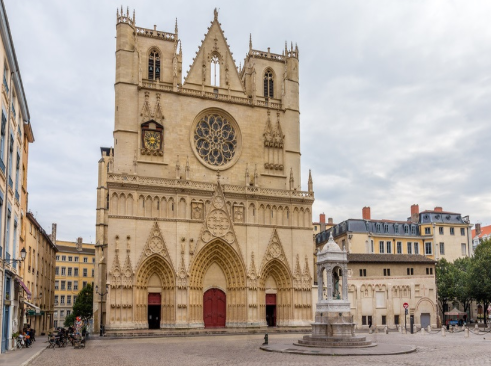
Lyon: The Gastronomic Capital
A UNESCO World Heritage site, Lyon is a city of hidden passageways (
traboules) and unparalleled cuisine.
Attractions: Explore the Renaissance architecture of Vieux Lyon (Old Lyon) and its traboules. Hike or take the funicular up to Fourvière Basilica for stunning city views and see the ancient Roman theatres.
Food: Dine in a traditional bouchon for Lyonnaise specialties like saladier lyonnais (lentil and sausage salad), quenelles (fish dumplings), and tarte aux pralines (pink praline tart).
Transport: A major rail hub. From Lyon, rent a car for the ultimate freedom to explore the villages of Provence. Alternatively, take trains to Avignon or Arles as a base.
The Heart of Provence: Arles, Gordes, Roussillon & Aix-en-Provence
This segment is best explored by car, allowing for spontaneous stops in lavender fields (if visiting in June-July) and picturesque villages.
Arles: Walk in the footsteps of Van Gogh. Visit the Roman Amphitheatre still used today, and see the place where he painted “The Yellow House.”
Fontaine-de-Vaucluse (The “Spring Village”): A unique village built around a powerful spring emerging from a cliff. The source is the origin of the Sorgue River and is stunningly clear and green.
Gordes & Roussillon (The “Golden Stone Village”): Gordes is a breathtaking hilltop village of stone. Nearby Roussillon sits atop one of the world’s largest ochre deposits, giving its buildings a remarkable red-orange hue. Walking the Sentier des Ocres through the old quarries is a must.
Aix-en-Provence: An elegant city known as the “City of a Thousand Fountains.” Stroll down the beautiful Cours Mirabeau, explore the vibrant markets, and feel the spirit of its most famous son, Paul Cézanne.
Avignon & The Luberon Valley
Avignon: A city of popes. Tour the immense Palais des Papes (Popes’ Palace) and walk onto the famous Pont d’Avignon (Saint-Bénézet Bridge). It serves as an excellent base for exploring the region.
Valensole Plateau: If your travel dates are between mid-June and mid-July, a detour through this plateau is essential. The endless rows of blooming lavender are an unforgettable sensory experience of sight and smell.
Verdon Gorge & Sainte-Croix Lake: Often called Europe’s Grand Canyon, the Verdon Gorge is a spectacular river canyon. Rent a pedal boat or kayak on the stunning turquoise waters of Sainte-Croix Lake at its foot for a truly magical perspective.
Valence: Gateway to the South
A pleasant stopover on the way north, Valence is known as “the gateway to the South of France” and has a growing reputation for its cuisine.
Attractions: Explore the old town and its cathedral. It’s less touristy, offering a more authentic French urban experience.
Food: The city boasts several Michelin-starred restaurants and is famous for its Suisse de Valence, a sweet pastry.
Transport: A major stop on the TGV line from the south to Paris. From here, take a train to Annecy.
Annecy: The Venice of the Alps
A picture-perfect town with crystal-clear canals running through its old town and a stunning lake surrounded by mountains.
Attractions: Wander the flower-lined canals of Vieille Ville (Old Town), visit the iconic Palais de l’Isle which sits in the middle of a canal, and cycle or walk along the lakefront promenade.
Food: Enjoy Alpine specialties like raclette and tartiflette. The local lake fish is also a delicacy.
Transport: Well-connected by train. From Annecy, it’s a short bus or train ride to Geneva, Switzerland.
Part 3: Switzerland – Alpine Majesty and Lakeside Serenity
Geneva: An International City
Situated on the shores of Lake Léman (Lake Geneva), this global hub is your entry point into Switzerland.
Attractions: See the Jet d’Eau, one of the world’s tallest water fountains, stroll through the Old Town, and see the Flower Clock in the Jardin Anglais.
Cultural Insight: As the European headquarters of the UN and Red Cross, Geneva has a distinctly international and diplomatic atmosphere.
Transport: Purchase a Swiss Travel Pass for unlimited travel on trains, buses, and boats. The train from Geneva to Olten is your gateway to central Switzerland.
The Heart of Switzerland: Olten, Lucerne & Interlaken Region
Olten is primarily a transport hub. Use it as a connection point to reach the stunning landscapes around Lucerne and Interlaken.
Lucerne (Luzern)
Attractions: Walk the iconic Chapel Bridge (Kapellbrücke), a covered wooden bridge from the 14th century. Visit the Lion Monument, a poignant sculpture carved into rock, and explore the well-preserved Old Town. Take a boat trip on Lake Lucerne, surrounded by dramatic mountains.
The GoldenPass Line & Brienzersee
The Journey: From Lucerne, take the GoldenPass Line train towards Interlaken. This scenic route offers breathtaking views of lakes and mountains.
Lungern & Brienzersee (Lake Brienz): The train passes by the emerald Lake Lungern and then runs along the northern shore of Lake Brienz, known for its stunning turquoise color and the Giessbach Falls cascading into it. Consider stopping in Brienz, a charming village known for woodcarving.
The Idyllic Villages: Lungern & Iseltwald
The “Heaven” Village (Lungern): While often associated with “Lungern” on this route, you may be thinking of the even more famously picturesque Lungern. This village on the shores of Lake Lungern is often cited as one of Switzerland’s most beautiful, with its church steeple rising above pristine houses against a mountain backdrop. It’s a stop on the Luzern-Interlaken train line.
The “Heaven” Village (Iseltwald): Alternatively, the “heaven” reference could be for Iseltwald, a stunning village on Lake Brienz. It gained fame from the Korean drama “Crash Landing on You” and is accessible by boat or bus from Interlaken. Its secluded pier offers an incredibly serene and photogenic spot.
The Jungfrau Region: High Alpine Adventure
Interlaken, situated between Lake Thun and Lake Brienz, is the adventure capital and gateway to the high Alps.
The Journey to Jungfraujoch – Top of Europe
The Train Ride: This is one of the world’s great railway journeys. From Interlaken Ost, take trains via Grindelwald or Lauterbrunnen up to Kleine Scheidegg. Here, you board the Jungfraubahn which climbs inside the Eiger and Mönch mountains to the Jungfraujoch station at 3,454 meters (11,332 ft).
The Experience: At the top, you are surrounded by a perpetual winter landscape. Visit the Ice Palace, walk onto the Sphinx Observatory terrace for views over the Aletsch Glacier (a UNESCO site), and look out over the Alpine wonderland.
Practical Tip: Book tickets in advance. Check the weather forecast meticulously – a clear day is essential. The Swiss Travel Pass offers a discount, but does not cover the full fare as it is a private railway. Be prepared for potential altitude sickness.
The Return: Olten to Zurich & Paris
Zurich: A Final Urban Flair
A global banking hub with a charming old town and vibrant cultural scene.
Attractions: Explore the upscale Bahnhofstrasse shopping avenue, wander through the narrow streets of Niederdorf in the Old Town, and visit the Grossmünster and Fraumünster churches.
Culinary Note: Try Zürcher Geschnetzeltes (sliced veal in a creamy mushroom sauce) with Rösti (fried grated potatoes).
Transport:The final leg of your journey is a high-speed TGV Lyria train from Zurich directly back to Paris, bringing your grand tour full circle.
A Final Overview: Practical Travel Advice
Best Time to Travel: Late spring (May-June) and early autumn (September) offer pleasant weather and fewer crowds. July-August is peak season but essential for lavender in Provence. For Switzerland, summer offers hiking; autumn has crisp air and fewer tourists.
Budgeting: Switzerland is significantly more expensive than France or Spain. Plan your budget accordingly. Consider picnics with groceries from local markets to save on food costs.
The Swiss Travel Pass: For the Swiss leg, this pass is highly recommended. It offers flexibility and can represent great value, covering most trains, buses, boats, and offering free entry to many museums.
A Car in Provence: Renting a car is strongly advised for exploring the Luberon villages, Gorges du Verdon, and lavender fields at your own pace. Book well in advance for summer.
Cuisine is Regional: Embrace local specialties in each region – from Lyonnaise bouchons to Provencal ratatouille and rosé, to Swiss cheese fondue. It’s a core part of the cultural experience.
Pacing: This itinerary covers considerable ground. Allow at least 2-3 weeks to enjoy it without feeling rushed. Consider basing yourself in key cities (e.g., Avignon, Interlaken) for multiple nights to explore the surrounding areas on day trips.
A journey through these diverse regions of Europe is more than a vacation; it’s an immersion into distinct ways of life, histories, and landscapes that have shaped Western culture. From flamenco rhythms to alpine horns, from bustling metropolises to silent mountain peaks, this trip promises memories that will last a lifetime.