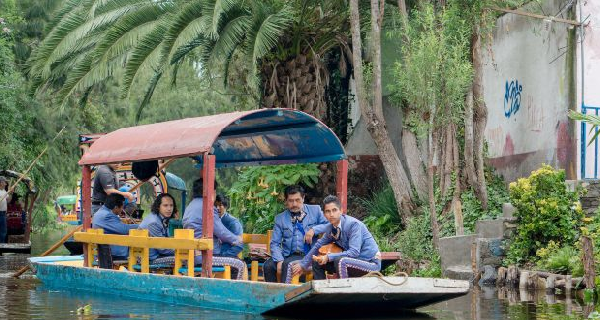
A Cultural Triangle in Mexico City: Xochimilco, Ciudad Universitaria, and the National Museum of Anthropology
Mexico City is a sprawling metropolis, a layered tapestry of ancient civilizations, colonial history, and vibrant contemporary life. For a traveler seeking to understand the soul of this immense city, a journey through three distinct but profoundly connected sites—Xochimilco, the Ciudad Universitaria (University City), and the National Museum of Anthropology—offers an unparalleled deep dive. This triangle of experiences takes you from the last remnants of the Aztec lake world, through a monument to 20th-century Mexican modernism and education, and finally to the definitive repository of the nation’s pre-Hispanic soul. It is a journey through time, art, and the very identity of Mexico.
Xochimilco: The Floating Gardens of the Aztecs
Located in the southern part of Mexico City, Xochimilco is a living archaeological site and a vibrant celebration of Mexican culture. Its name comes from the Nahuatl language, meaning “field of flowers.” This is the last remaining vestige of the vast lake and canal system, known as
chinampas, that once characterized the Valley of Mexico and sustained the Aztec capital of Tenochtitlan. A visit here is not merely a boat ride; it is a journey into the historical and cultural heart of the city.
The Experience: A Voyage on a Trajinera
The primary activity in Xochimilco is a ride on a
trajinera—a long, flat-bottomed, brightly colored wooden boat, often adorned with an arch bearing a woman’s name (like “Lupita” or “María”). These gondola-like vessels are poled along the tranquil canals by a boatman, offering a uniquely peaceful perspective away from the city’s frantic pace.
Embarcaderos (Piers): Your Xochimilco adventure begins at one of the several embarcaderos, such as Embarcadero Nuevo Nativitas or Embarcadero Fernando Celada. The atmosphere is immediately lively, with mariachi music drifting through the air and the calls of vendors offering food, drinks, and souvenirs.
Negotiating the Ride: Upon arrival, you will be approached by representatives offering boat rides. The price is not fixed per person but per boat, for a specific duration (usually one or two hours). This is a key point for negotiation. Confirm the price, the exact duration, and what is included before you set off. A standard trajinera can comfortably fit 10-15 people, making it an ideal group activity.
The Canals: As you glide away from the embarcadero, the urban noise fades, replaced by the gentle lapping of water and the sound of your boatman’s pole dipping into the canal. You’ll pass other trajineras filled with families celebrating birthdays, groups of friends enjoying a day out, and couples relaxing. The canals are lined with the famous chinampas—floating gardens that are actually man-made islands created by weaving reeds and stakes and piling up mud and vegetation from the lake bottom. These incredibly fertile plots are still used for growing flowers and vegetables today.
Food and Drink on the Canals
The Xochimilco experience is intrinsically linked to its food, which arrives directly at your boat from smaller vessels that ply the canals.
Floating Vendors: Be prepared for a constant, cheerful parade of vendors. You can buy freshly cooked corn on the cob (elote) slathered in mayonnaise, chili powder, and lime; cups of esquites (the same ingredients but with the kernels cut off the cob); and an array of tacos and quesadillas.
Pulque and Micheladas: For drinks, you can purchase cold beers or try traditional beverages. Pulque, a fermented drink made from the sap of the maguey plant, is a classic choice, often flavored with fruits (curados). A michelada—beer mixed with lime juice, assorted sauces, spices, and chili—is a refreshing and popular option.
Practical Tip: It’s perfectly acceptable to bring your own food and drinks (especially non-alcoholic ones like water and soft drinks) to save money. However, part of the fun is supporting the local vendors.
The Island of the Dolls (La Isla de las Muñecas)
A short detour from the main canals leads to one of Xochimilco’s most eerie and fascinating attractions. The Island of the Dolls is a small chinampa covered in hundreds of mutilated, decaying dolls hanging from trees and fences. The story goes that the island’s sole caretaker, Don Julián Santana Barrera, found a drowned girl in the canal and, soon after, a floating doll. He hung it on a tree to appease her spirit. Believing the girl’s spirit was haunting him, he spent the next fifty years collecting and hanging more dolls as offerings. The island is a chilling, surreal sight that speaks to Mexico’s complex relationship with death and the supernatural.
Cultural Significance and Practical Tips
Xochimilco is a UNESCO World Heritage Site precisely because it preserves the pre-Hispanic method of chinampa agriculture. It is a testament to Aztec engineering and a living cultural landscape. On weekends, it transforms into a massive party, while weekdays offer a more serene experience.
Getting There: The most straightforward way is to take the Tren Ligero (light rail) from the Tasqueña metro station (Blue Line 2) to the final stop, Xochimilco. From there, it’s a short walk or quick taxi ride to your chosen embarcadero.
Best Time to Visit: Weekdays for tranquility, weekends for energy and more vendor options.
What to Bring: Sunscreen, a hat, cash (in small denominations for vendors), and a sense of adventure.
Ciudad Universitaria: The Campus as a Modernist Masterpiece
A journey from the ancient waterways of Xochimilco to the bold aspirations of 20th-century Mexico leads you to Ciudad Universitaria (CU), the main campus of the National Autonomous University of Mexico (UNAM). Located in the Pedregal de San Ángel lava field in Coyoacán, this campus is not just an educational institution; it is an open-air museum of Mexican modernism and a UNESCO World Heritage Site in its own right.
The Central Library: A Mosaic of Mexican History
The undisputed icon of CU is the Central Library (
Biblioteca Central). Its ten-story tower is entirely covered on all four sides by a monumental mosaic created by artist Juan O’Gorman. Made with naturally colored stones sourced from across Mexico, the mosaic depicts themes from Mexican history and culture. The north side represents the pre-Hispanic world; the south side, the colonial era; the east wall illustrates the contemporary world; and the west wall symbolizes the university and modern Mexico. It is one of the largest murals in the world and a breathtaking fusion of architecture and art.
The Rectorate Tower and Olympic Stadium
A short walk from the library brings you to the Rectorate Tower (
Torre de Rectoría). Adorned with a massive three-part mural by David Alfaro Siqueiros, one of Mexico’s great muralists, the building is a powerful example of how art was integrated into public architecture during this period. Siqueiros’s dynamic, angular style tells a story of progress, culture, and the people’s struggle.
Nearby sits the massive
Estadio Olímpico Universitario, which served as the main stadium for the 1968 Summer Olympics. Its facade is another masterpiece, featuring a relief sculpture by Diego Rivera that traces the history of sports in Mexico from the pre-Columbian ball game to modern times.
The University Museum of Contemporary Art (MUAC)
For those interested in art beyond the mid-20th century, a visit to MUAC is essential. Housed in a stunning, purpose-built modern structure, it is dedicated exclusively to contemporary art produced from 1952 onwards. Its collection and temporary exhibitions are consistently world-class, offering a glimpse into Mexico’s vibrant and critical contemporary art scene.
Campus Life and Practical Tips
Walking through CU is an immersion into Mexican daily life. You’ll see students rushing to class, playing sports on the vast fields, and gathering in cafes. The
Espacio Escultórico (Sculptural Space), a huge circular earthwork and stone sculpture built into the lava field, offers a unique meditative environment.
Getting There: Take Metro Line 3 (Green) to the Universidad station. The main campus entrance is directly across the street.
Getting Around: The campus is enormous. Wear comfortable walking shoes. The internal “Pumabus” system is available if you need to cover longer distances.
Food: The campus has numerous inexpensive cafeterias and cafes where you can eat alongside students. This is a great opportunity for an authentic and affordable meal.
Insight: CU represents the post-revolutionary ideal of integrating art into public life for educational and social purposes. It is a physical manifestation of Mexico’s confidence and cultural ambition in the mid-20th century.
The National Museum of Anthropology: A Treasure Chest of Civilizations
No trip to Mexico City is complete without visiting what is widely considered one of the world’s greatest museums. Located in Chapultepec Park, the National Museum of Anthropology (
Museo Nacional de Antropología, or MNA) is the crown jewel of Mexico’s cultural institutions. The building itself, designed by architect Pedro Ramírez Vázquez and opened in 1964, is a modern marvel centered around a vast courtyard with a monumental concrete umbrella fountain.
The Layout and Must-See Halls
The museum’s layout is both logical and breathtaking. The ground floor is dedicated to archaeology, tracing Mexico’s pre-Hispanic cultures chronologically and regionally. The upper floor focuses on ethnography, showcasing the lives and traditions of contemporary indigenous peoples.
The Aztec/Mexica Hall (Sala Mexica): This is often the first stop for many visitors. It houses arguably the museum’s most famous artifact: the Piedra del Sol (Sun Stone), often mistakenly called the Aztec Calendar. This colossal basalt disk is a masterpiece of sculpture and cosmology. The hall also contains monumental sculptures like the Coatlicue statue, a terrifying representation of the earth goddess, adorned with snakes, skulls, and claws.
The Maya Hall (Sala Maya): This hall transports you to the jungles of southern Mexico and Central America. It features intricate jade masks from Palenque, including that of King Pakal, whose elaborate tomb reconstruction is a highlight. The recreations of temple facades and detailed stelae provide context for this complex civilization’s writing and astronomical knowledge.
The Teotihuacan Hall: Dedicated to the magnificent city-state located just outside modern Mexico City, this hall showcases massive stone sculptures like the Goddess of Water (Chalchiuhtlicue) and beautifully preserved murals that offer a glimpse into the daily life and cosmology of this mysterious culture.
The Oaxaca Hall (Sala Culturas de Oaxaca): Here you will find the exquisite treasures from Monte Albán, including many of the famous gold artifacts from Tomb 7 at Monte Albán, which demonstrate incredible skill in metalworking.
The Gulf Coast Hall (Sala Culturas del Golfo): Don’t miss the colossal Olmec heads carved from basalt. These massive stone portraits with their distinctive helmet-like headgear are some of the most iconic images from ancient Mesoamerica.
A Full-Day Cultural Immersion
The scale of the MNA is immense. Attempting to see everything in one visit can be overwhelming. It is best to prioritize two or three halls that interest you most or focus on specific civilizations like the Mexica and Maya.
Getting There: The museum is located inside Chapultepec Park. The closest metro station is Auditorio (Line 7 – Orange) or Chapultepec (Line 1 – Pink), both requiring a 15-20 minute walk through the park.
Tickets and Timing: The museum is closed on Mondays. Arrive early to avoid crowds, especially on weekends. Allocate at least 4-5 hours for a meaningful visit.
Amenities: The museum has a good restaurant and a cafe, as well as several gift shops selling high-quality reproductions and books.
Cultural Insight: The museum does more than just display artifacts; it tells the story of Mexico’s deep indigenous roots. It frames modern Mexican identity as being inextricably linked to these sophisticated ancient cultures, challenging older colonial narratives.
Crafting Your Itinerary: A Day Through Time
Tackling all three sites in one day would be overly ambitious and would not do justice to any of them. A more balanced approach is recommended:
Option 1 (Two Days):
Day 1 Morning: National Museum of Anthropology (arrive at opening).
Day 1 Afternoon: Explore Chapultepec Castle or stroll through Chapultepec Park.
Day 2 Morning: Xochimilco for a 2-hour trajinera ride.
Day 2 Afternoon: Ciudad Universitaria (focus on Central Library, Rectorate Tower).
Option 2 (One Intensive Day – Not Recommended): If you are extremely pressed for time, you could do Xochimilco early in the morning (starting at 10 AM), take an Uber/Taxi to CU for a quick 1.5-hour walk to see the key murals, and then proceed to Chapultepec for a late afternoon visit to one or two key halls at the Anthropology Museum before it closes. This is rushed but logistically possible.
A Culminating Understanding
The journey from Xochimilco’s ancient canals to UNAM’s modernist idealism and finally to the anthropological treasury in Chapultepec Park provides a profound narrative arc. You witness where Mexico came from—the ingenious agricultural system that fed an empire. You see its ambitious modern rebirth—a nation building its future through education and integrated public art. And you finally come to understand its deep cultural foundation—the civilizations whose art, science, and cosmology form the bedrock of its identity. This triangle is more than just three tourist stops; it is an essential pilgrimage for anyone wishing to grasp the complex, beautiful, and enduring spirit of Mexico.