A Comprehensive Travel Guide: Vienna City Center to Parndorf Design Outlet and Back
This guide provides a detailed exploration of a popular day-trip itinerary from Vienna, combining the imperial grandeur of the city center with a world-class shopping experience at the Parndorf Design Outlet. It is designed for travelers seeking to maximize their experience, offering practical advice on transportation, attractions, dining, and cultural nuances.
Part 1: Vienna City Center (Innere Stadt)
The historic first district of Vienna, the Innere Stadt, is the city’s vibrant and cultural heart. Encircled by the magnificent Ringstraße boulevard, this area is a UNESCO World Heritage site teeming with imperial palaces, world-renowned museums, elegant cafes, and high-end boutiques. A thorough exploration of the center is essential to understanding Vienna’s soul.
Major Attractions in the City Center
St. Stephen’s Cathedral (Stephansdom): The iconic Gothic cathedral, with its ornately patterned roof and South Tower, dominates the city skyline. Visitors can ascend the 343 steps of the South Tower for a breathtaking panoramic view or descend into the catacombs to see the final resting place of Viennese citizens from centuries past.
Hofburg Palace: The former principal imperial palace of the Habsburg dynasty. This vast complex houses several must-see attractions, including the Imperial Apartments (Kaiserappartements), the Sisi Museum (dedicated to the enigmatic Empress Elisabeth), and the Imperial Silver Collection. It is also the home of the Spanish Riding School and the Austrian National Library.
Vienna State Opera (Wiener Staatsoper): One of the leading opera houses in the world. Even without attending a performance, one can appreciate its grandeur through a guided tour. For budget-conscious travelers, standing-room tickets (Stehplätze) offer a world-class experience for a fraction of the price.
Kunsthistorisches Museum (Museum of Art History): Home to an unparalleled collection of Old Masters, including works by Bruegel, Rembrandt, and Vermeer. The building itself, with its grand staircase and opulent cupola hall, is a masterpiece.
Belvedere Palace: A magnificent Baroque palace complex consisting of the Upper and Lower Belvedere. The Upper Belvedere is famous for housing the world’s largest collection of Gustav Klimt’s paintings, including his golden masterpiece, “The Kiss.”
Food & Drink in the City Center
Viennese cuisine is a hearty and historic affair. Key culinary experiences include:
Wiener Schnitzel: A thin, breaded, and fried veal cutlet. For an authentic experience, it should be made with veal (Kalb) and served with a potato salad or parsley potatoes. Figlmüller is a famous, though tourist-heavy, institution for this dish.
Sacher-Torte: The world-famous chocolate cake with a layer of apricot jam, invented at the Hotel Sacher. Enjoying a slice with a dollop of unsweetened whipped cream (Schlagobers) at Café Sacher or its rival, Demel, is a quintessential Viennese ritual.
Viennese Coffee House Culture: More than just a place for coffee, these are institutions for contemplation and socializing. Order a Melange (a Viennese cappuccino), read the newspaper provided, and linger for hours. Historic cafes like Café Central, Café Hawelka, and Café Landtmann are steeped in history.
Heuriger Wine Taverns: While most are located in the outer districts like Grinzing or Neustift, the concept is worth seeking out. These are rustic taverns where local vintners serve their new wine (Heuriger) alongside simple, cold buffets.
Accommodation Tips for the City Center
Staying in the Innere Stadt offers unparalleled convenience but comes at a premium price.
Luxury: For a truly imperial experience, consider hotels like Hotel Sacher Wien, The Ritz-Carlton, Vienna, or Palais Coburg Residenz.
Mid-Range: Excellent options include Hotel Kaiserhof Wien, Hotel Am Parkring, or the numerous boutique hotels nestled in quiet side streets.
Budget: While true hostels are rare in the very center, affordable pensions and guesthouses (Pensionen) can be found. For more budget-friendly options, look at districts just outside the Ringstraße, such as Mariahilf or Leopoldstadt, which are well-connected by public transport.
Part 2: The Journey to Parndorf Design Outlet (Designer Outlet Parndorf)
Located approximately 50 kilometers southeast of Vienna, near the border with Slovakia, Parndorf Design Outlet is one of Central Europe’s premier shopping destinations. It features over 160 designer brands offering significant discounts year-round.
Transportation: Getting from Vienna City Center to Parndorf
There are several convenient ways to make the journey.
Shuttle Bus (Most Recommended):
Operator: The outlet operates an official shuttle service.
Departure Point: The bus departs from the Vienna State Opera (Opernring 1).
Journey Time: Approximately 50 minutes.
Tickets & Booking: Advance online booking is highly recommended, especially during weekends and holiday seasons. The return ticket is typically around €15-€20. The website provides the most current timetable and pricing.
Advantages: Direct, comfortable, and drops you right at the entrance. It often includes a discount booklet for additional savings at the outlet.
By Train:
Route: Take a regional train (S-Bahn) from any central station like Wien Mitte or Hauptbahnhof to Parndorf Ort station.
Journey Time: About 35-40 minutes on the train.
Final Leg: From Parndorf Ort station, it is a 20-25 minute walk or a short taxi ride to the outlet center.
Tickets: Use the ÖBB (Austrian Federal Railways) app or website to purchase tickets. A “Vorteilscard” can offer substantial savings on rail fares.
By Car:
Route: Take the A4 motorway towards Budapest/Flughafen and take exit 49 (Parndorf).
Journey Time: Around 40-50 minutes, depending on traffic.
Parking: Ample free parking is available at the outlet.
Advantages: Offers maximum flexibility for luggage and timing.
Shopping at Parndorf Design Outlet
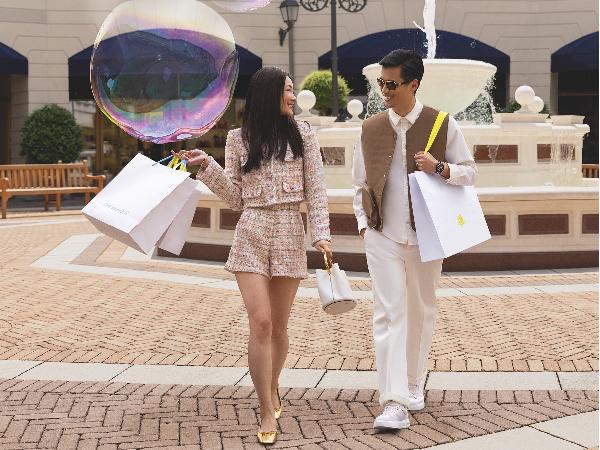
The outlet is designed as an open-air village, making for a pleasant shopping experience.
Brands: Features a wide range from high-end luxury (e.g., Gucci, Prada, Burberry) to premium contemporary brands (e.g., Michael Kors, Coach, Tommy Hilfiger) and sportswear giants (e.g., Nike, Adidas). Austrian brands like Wolford are also present.
Shopping Strategy:
- Check the official website beforehand to see current sales and brand listings.
- Pick up a VIP Coupon Book from the Information Center (often available for free with shuttle bus ticket or online registration) for extra percentage-off discounts.
- Start early to avoid crowds, especially on weekends.
- Non-EU residents can shop tax-free. Present your passport at participating stores to get a tax-free form, which can be validated at the customs office upon departure from the EU.
Amenities: The outlet has numerous cafes and restaurants for a lunch break, clean restrooms, a children’s play area, and luggage storage facilities.
Part 3: The Return to Vienna City Center
The return journey typically mirrors the outbound trip. It is crucial to check the schedule for the last shuttle bus or train of the day to avoid being stranded.
Evening Activities Back in Vienna
After a day of shopping, one can ease back into Viennese culture with a relaxed evening.
A Classical Music Concert: Numerous venues offer performances of works by Mozart, Strauss, and Beethoven. While the Musikverein and Konzerthaus are top-tier, many churches and smaller palaces host excellent, more affordable concerts.
A Stroll along the Ringstraße: The grand buildings, including the Parliament, City Hall (Rathaus), and Burgtheater, are beautifully illuminated at night.
Dinner at a Heuriger or Beisl: For a more authentic and cozy dinner than in the tourist-centric center, seek out a traditional Beisl (a Viennese tavern) for hearty local fare like Tafelspitz (boiled beef) or Goulash.
Practical Information & Cultural Insights
Ticketing and City Transport
The Wiener Linien network (trams, buses, U-Bahn/subway, and S-Bahn within city limits) is efficient and comprehensive. A single ticket must be validated upon first use. For tourists, the 24-, 48-, or 72-hour travel cards or the Vienna Pass offer excellent value and convenience. Tickets can be purchased at station machines, tobacconists (Tabak-Trafik), or via the “Wiener Linien” app.
Language and Etiquette
While English is widely spoken in tourist areas, learning a few basic German phrases like “Guten Tag” (Good day), “Danke” (Thank you), and “Bitte” (Please/You’re welcome) is appreciated. A formal greeting is customary when entering shops and restaurants. Service culture can be direct but efficient.
Tipping (Trinkgeld)
Tipping is expected in Austria. The customary practice is to round up the bill. For good service in a restaurant, it is standard to tip 5-10% of the total bill. Simply tell the server the total amount you wish to pay (including tip) when paying in cash. For smaller amounts like coffee, rounding up to the nearest euro is sufficient.
Shopping Hours
In Vienna city center, shops typically close by 7:00 or 8:00 PM on weekdays and earlier on Saturdays (often 5:00 or 6:00 PM). Most stores are closed on Sundays, except for shops in train stations and airports. This makes planning essential and highlights the advantage of Parndorf’s more flexible shopping hours (typically open until 8:00 PM on weekdays and 7:00 PM on weekends).
A Sample One-Day Itinerary
09:00 AM: Start at St. Stephen’s Cathedral. Climb the South Tower for morning views.
10:30 AM: Walk through the Hofburg Palace complex and visit the Imperial Apartments.
12:30 PM: Enjoy a traditional lunch at a classic Viennese restaurant or Beisl.
01:30 PM: Catch the pre-booked shuttle bus from the State Opera to Parndorf Design Outlet.
02:30 PM – 07:00 PM: Shopping at Parndorf. Take breaks at one of the cafes.
07:30 PM: Board the return shuttle bus to Vienna.
08:30 PM: Return to Vienna. Enjoy a relaxed dinner and perhaps attend a concert or a nighttime stroll.
This itinerary offers a perfect blend of Viennese high culture and modern retail therapy, providing a rich and varied experience for any visitor to Austria’s capital.